
Red, White, and Picture Books
Exploring 250 Years of American History Through Story



The story of America did not begin in 1776. Long before independence, this land was home to nations, peoples, and systems of government—including the Haudenosaunee Confederacy, whose Great Law of Peace would later influence colonial leaders like Benjamin Franklin as they considered union. This collection traces the many strands of the American story: its founding, its failures, its beauty, its hardships, and the people who have shaped it across generations.
While these are picture books, they are not just for the youngest readers. This list was built with the whole family in mind, and some titles are better suited for older children, so I encourage parents to read ahead and use discernment. I have also intentionally focused on books that are currently in print whenever possible, making them easier to find, borrow, and build into your home library. Enjoy!

Founding a Nation
Before America became a nation, it was a patchwork of colonies, peoples, loyalties, and competing ideas. These books trace the early history of the land that would become the United States, from Indigenous confederacies and colonial settlements to revolution, independence, and the uncertain work of building a new country.

Hiawatha and the Peacemaker
by Robbie Robertson; illustrated by David Shannon
(Iroquois, Haudenosaunee (Iroquois) Confederacy, The Great Law of Peace, Politics and Government, Laws and Legislature, Biographical, 12th-16th century)
Colonial America

Pocahontas: Princess of the New World
by Kathleen Krull; illustrated by David Diaz
Featured Title:
This joyfully illustrated biography of Pocahontas, while written for children, doesn’t shy away from the hardship and brutality of the times. As an ambassador and peacemaker between her people and the English, Pocahontas navigated tense and often hostile relationships with colonists who were ill-prepared to survive in the New World and at times resorted to cannibalism out of desperation. Her journey to England, untimely death, and the survival of her husband and son are also told in this fascinating and sobering account.
(New World, Powhatan Indians, John Smith, Jamestown, John Rolfe, Biographical, 1590s-1610s)

Jamestown, New World Adventure
by James E. Knight; illustrated by David Wenzel
(Jamestown, U.S. colonies, Colonial history, Colonial life, Chief Powhatan, Pocahontas, Virginia Company, Journals, 1600s-1610s)

Three Young Pilgrims by Cheryl Harness
Focus Title: If you only have room on your shelves for one picture book about the Pilgrims, make it this one. Packed with cutaway views, timelines, maps, beautiful illustrations, and even a look at what was happening around the world at the same time, this book is incredibly rich in detail. It also thoughtfully explains the differences between the terms Pilgrim, Stranger, and Saint while following one family from their landing through those first difficult years in the New World.
(New Plymouth Colony, Pilgrims, Squanto, Massachusetts, New England, 1660s)

Squanto’s Journey: The Story of the First Thanksgiving
by Joseph Bruchac; illustrated by Greg Shed
(Wampanoag people, Squanto, Thanksgiving Day, Biographical, 1610s-1620s)
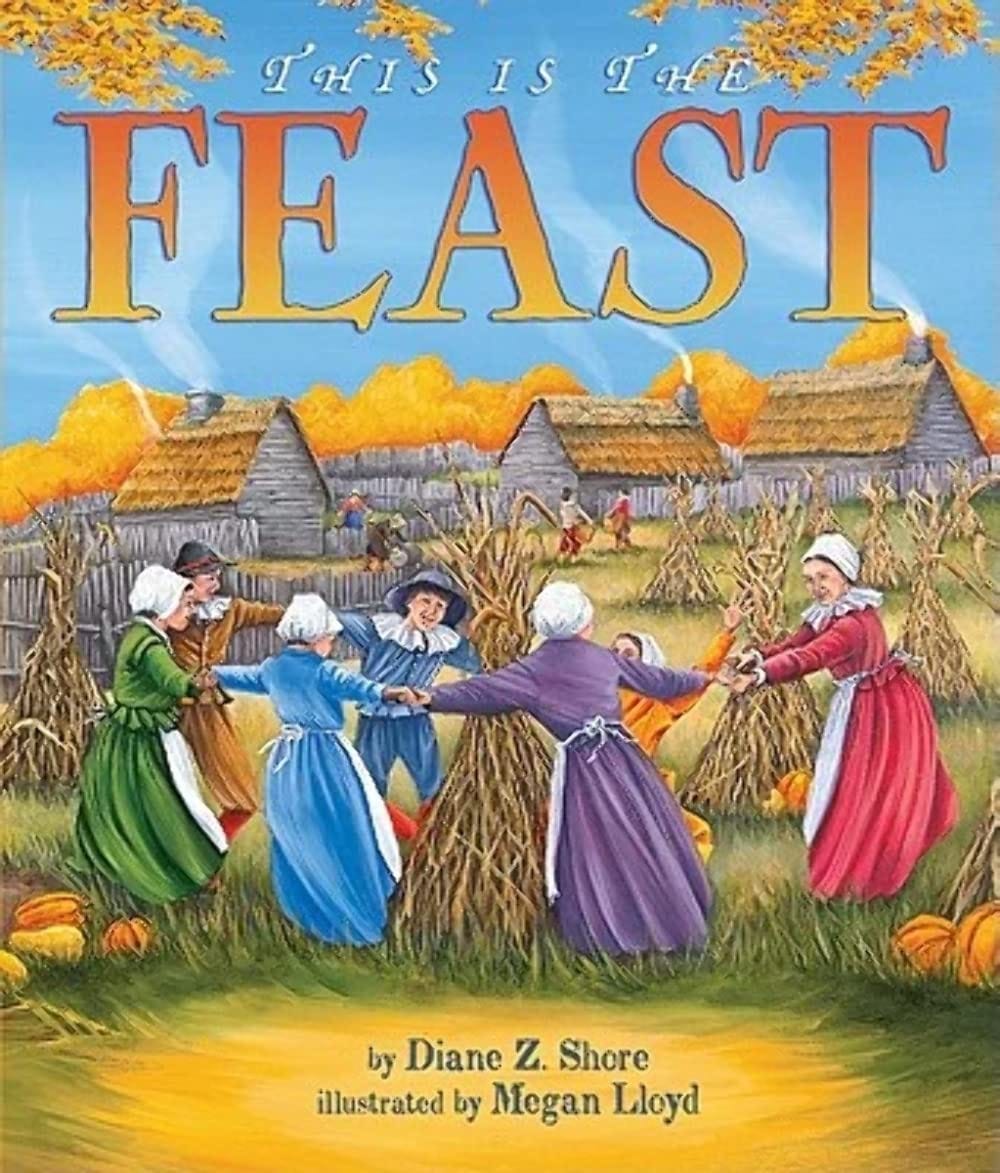
This Is the Feast
by Diane Z. Shore; illustrated by Megan Lloyd
(Mayflower, Pilgrims, Thanksgiving Day, Religious freedom, 1620s)

Tuttle’s Red Barn: The Story of America’s Oldest Family Farm
by Richard Michelson; illustrated by Mary Azarian
(Pilgrims, Colonial life, Farm life, New Hampshire, New England, American Revolution, Underground Railroad, Abraham Lincoln, Biographical, 1610s-2000s)
American Revolution Buildup

Henry Knox: Bookseller, Soldier, Patriot
by Anita Silvey; illustrated by Wendell Minor
(Colonial life, Boston Massacre, Battles of Lexington and Concord, Fort Ticonderoga, Dorchester Heights, Military Genius, General George Washington, American Revolution, Biographical, 1750s-1800s)

Colonial Voices: Hear Them Speak: The Outbreak of the Boston Tea Party
by Kay Winters; illustrated by Larry Day
Featured title: This book offers a glimpse into the lives of ordinary people living in Boston in the years leading up to the Boston Tea Party, including widowed printers, wigmakers, Native American basket makers, midwives, tavern keepers, enslaved people working for blacksmiths, and many others. Through their stories, readers gain a vivid picture of daily life in colonial America and the diverse communities that shaped the city on the eve of the Revolution.
(Colonial life, Boston Tea Party, Sons of Liberty, 1770s)

The Boston Tea Party
by Russell Freedman; illustrated by Peter Malone
(Sons of Liberty, East India Company, Primary source material, Massachusetts, Boston Harbor, 1770s)
American Revolution and Founders

Thomas Paine and the Dangerous Word
by Sarah Jane Marsh; illustrated by Edwin Fotheringham
(Politics and Government, Founding Fathers, Common Sense, Primary source material, Biographical, 1740s-1810s)

George Washington’s Teeth
by Deborah Chandra, Madeleine Comora; illustrated by Brock Cole
(George Washington, Primary source material, Founding Fathers, Politics and Government, American Presidents, Colonial History, Biographical, 1750s-1790s)

When Paul Revere Rode: Voices from the First Night of the American Revolution
by Sarah L. Thomson; illustrated by Nik Henderson
Featured Title:
I didn’t think I could be blown away by a Paul Revere book, but my finger hasn’t hit “buy” so quickly in a very long time. This book takes readers hour by hour through the night of Paul Revere’s famous ride, each page offering a poem about a different stop along the journey paired with a historical quote from the real-life person at that point in the story. The illustrations made me feel like it was night and I was right there, completely immersed in the adrenaline of the adventure.
(Primary source material, General Thomas Gage, Dr. Joseph Warren, Rev. Jonas Clark, Srg. William Munroe, Betty Clarke, British Regulars, Lexington Militia, Lemuel Haynes, Lord Hugh Percy, The Battles of Lexington and Concord, Biographical, 1770s)
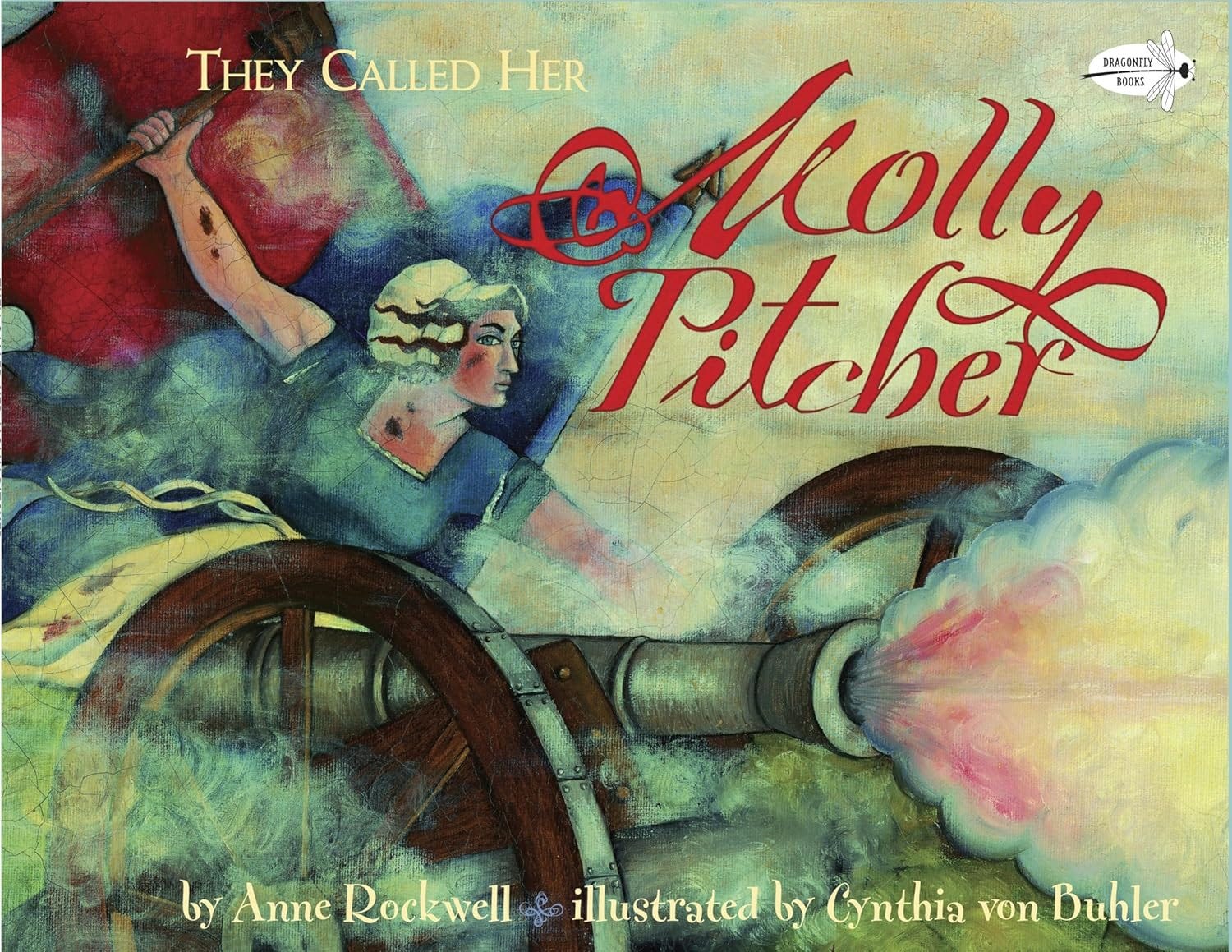
They Called Her Molly Pitcher
by Anne Rockwell; illustrated by Cynthia von Buhler
(American Revolution, Soldiers, Independence, Husbands and Wives, Valley Forge, Biographical, 1770s)

Revolutionary Friends: General George Washington and the Marquis de Lafayette
by Selene Castrovilla; illustrated by Drazen Kozjan
(Friendship, Mutual respect, American Revolution, Continental Army, Battle of Brandywine, Founding Fathers, Primary source material, Biographical, 1770s-1820s)
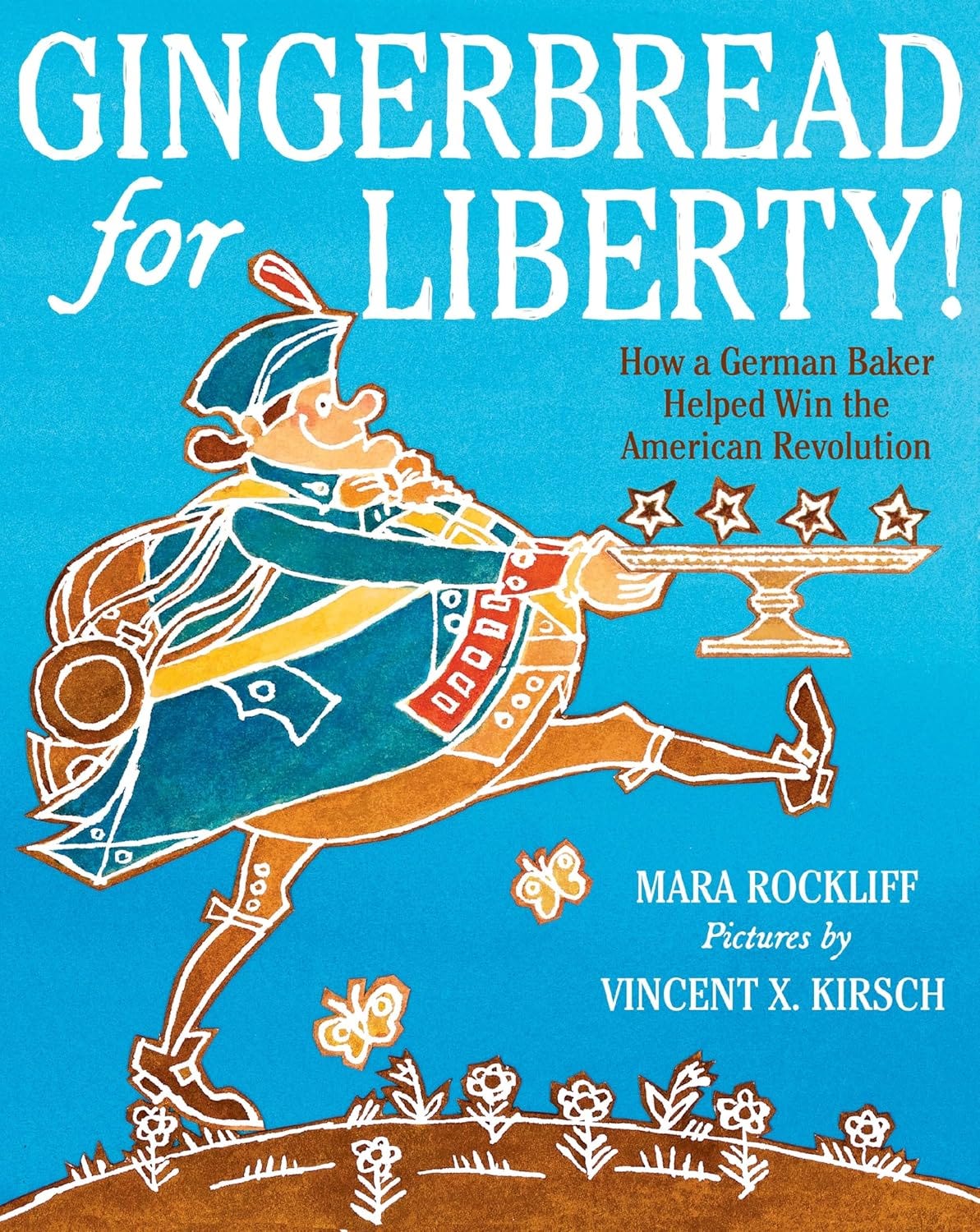
Gingerbread for Liberty!: How a German Baker Helped Win the American Revolution
by Mara Rockliff; illustrated by Vincent X. Kirsch
(American Revolutionary War financier, American Revolution, Christopher Ludwick, Biographical, 1770s)
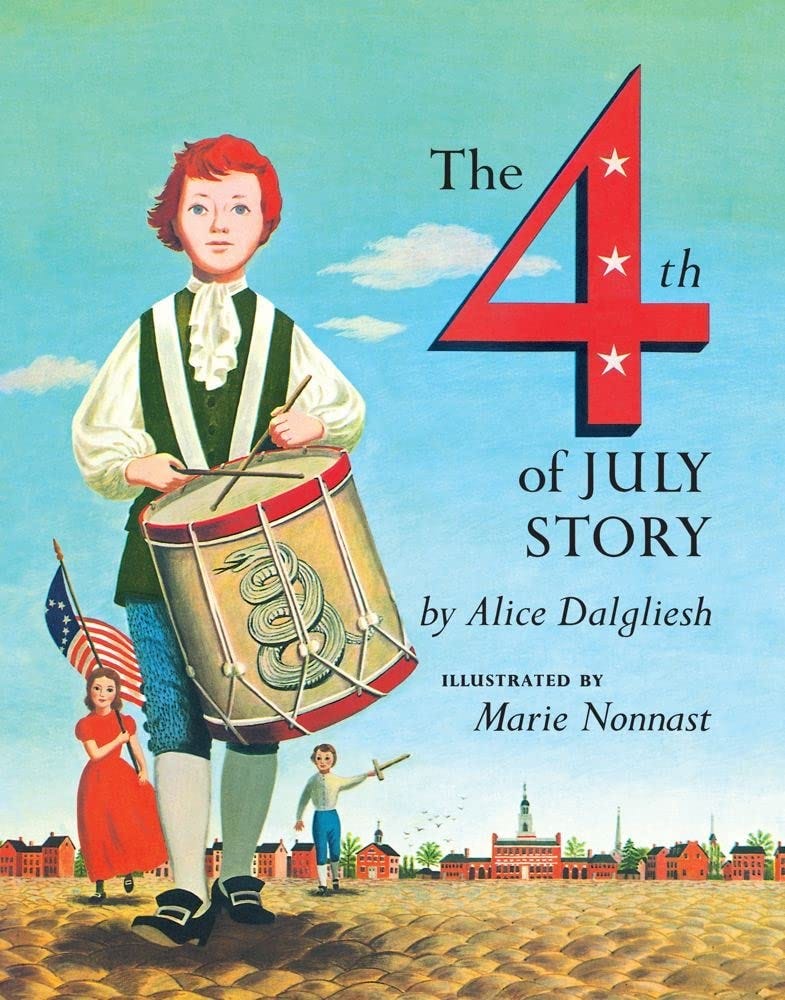
The 4th of July Story by Alice Dalgliesh and Marie Nonnast
(Freedom, Fourth of July, Continental Congress, George Washington, U.S. Declaration of Independence, Thomas Jefferson, Independence Hall ,U.S. history ,Colonial history, American Revolution, American Presidents, Primary Source Material, Andrew Jackson (child), Politics and Government, 1770s)
Founding Aftermath/Early Republic

Eliza: The Story of Elizabeth Schuyler Hamilton: With an Afterword by Phillipa Soo, the Original Eliza from Hamilton: An AmericanMusical
by Margaret McNamara; illustrated by Esmé Shapiro
(Politics and Government, American Revolution Era, Alexander Hamilton, George Washington, Founding Mothers, Colonial life, The Orphan Asylum of New York (Graham Windham), Biographical, 1750s-1850s)
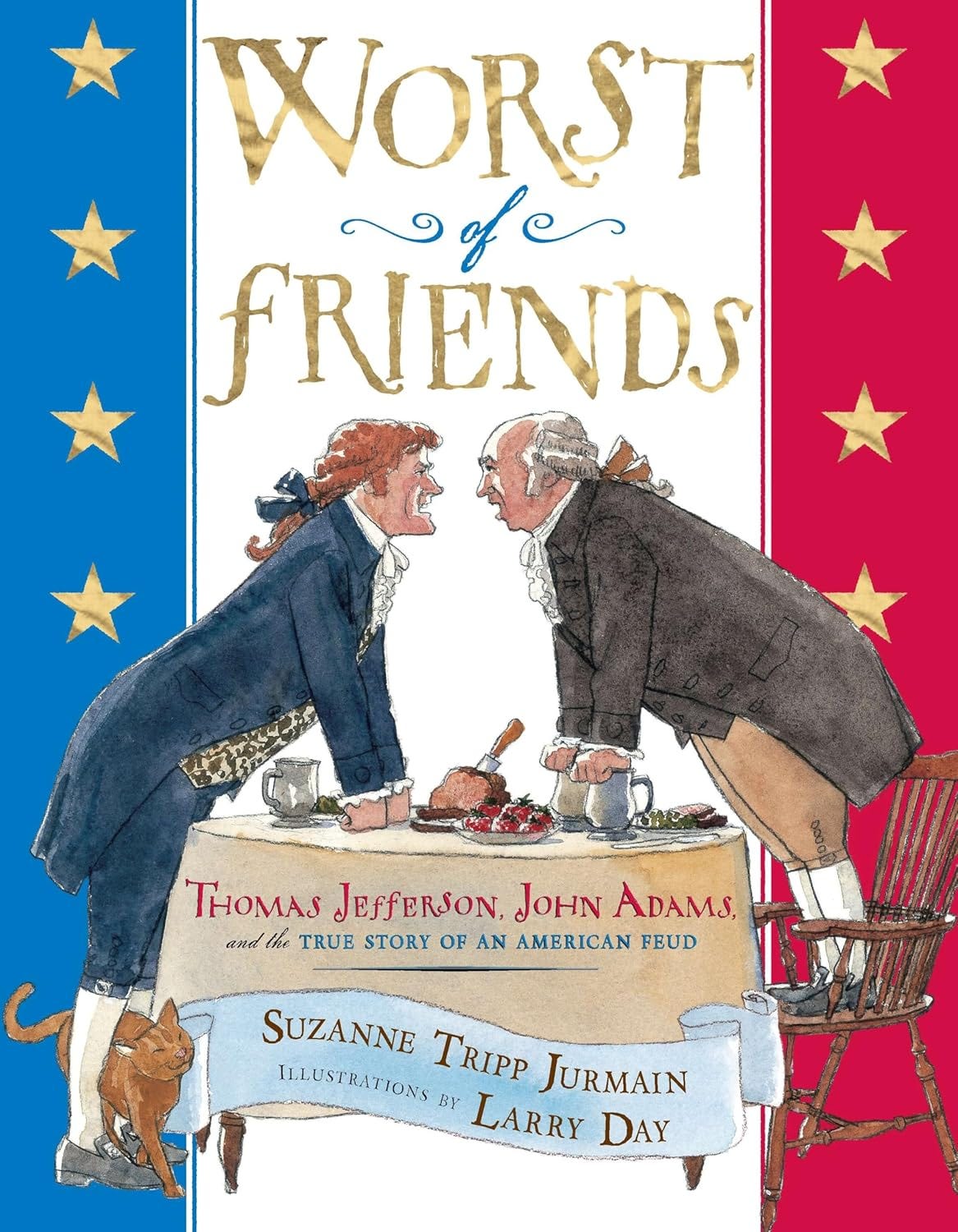
Worst of Friends: Thomas Jefferson, John Adams and the True Story of an American Feud
by Suzanne Tripp Jurmain; illustrated by Larry Day
(American Presidents, Founding Fathers, Politics and Government, Primary source material, 1770s-1820s)

Aaron and Alexander by Don Brown
(Aaron Burr, Alexander Hamilton, Parallel lives, Founding Fathers, Politics and Government, Duels, Biographical, 1750s-1830s)

Bones in the White House: Thomas Jefferson’s Mammoth
by Candice Ransom; illustrated by Jamey Christoph
(American Presidents, Mammoth fever, Lewis and Clark, Explorers, Natural history, Humorous stories, Historical mysteries, Biographical, 1780s-1820s)

Noah Webster’s Fighting Words
by Tracy Nelson Maurer; illustrated by Mircea Catusanu
(American English language, Founding Fathers, American dictionary, Educators, Lexiconographers, Biographical, 1750s-1840s)
War of 1812
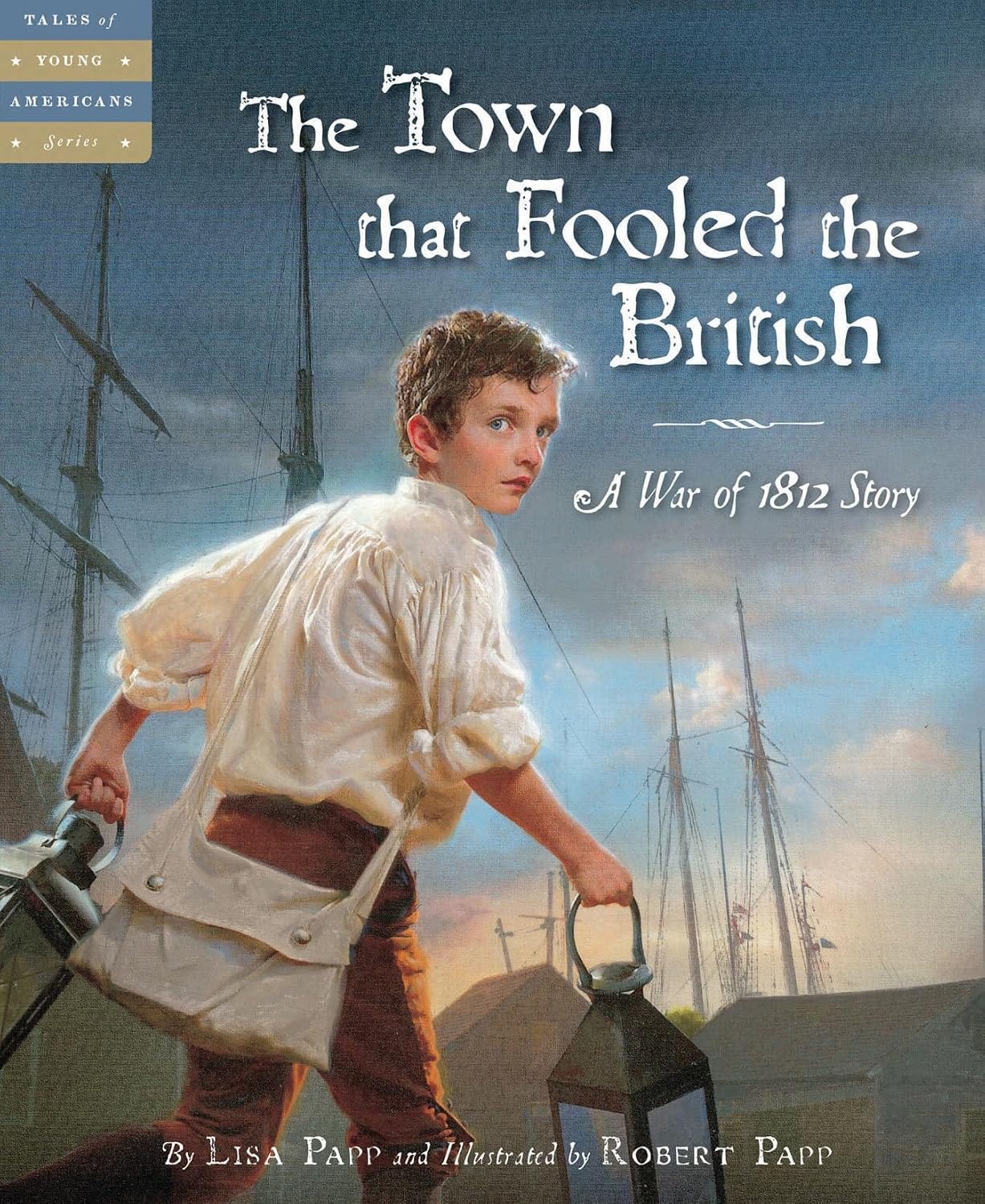
The Town that Fooled the British: A War of 1812 Story
by Lisa Papp; illustrated by Robert Papp
(War of 1812, British Navy, Military strategy, Based on a true story, Chesapeake River, St. Michaels, Maryland, 1810s)

Our Flag Was Still There: The True Story of Mary Pickersgill and the Star-Spangled Banner
by Jessie Hartland
(War of 1812, American Flag, Mary Pickersgill, The National Anthem, Flag timeline, Biographical, 1810s)
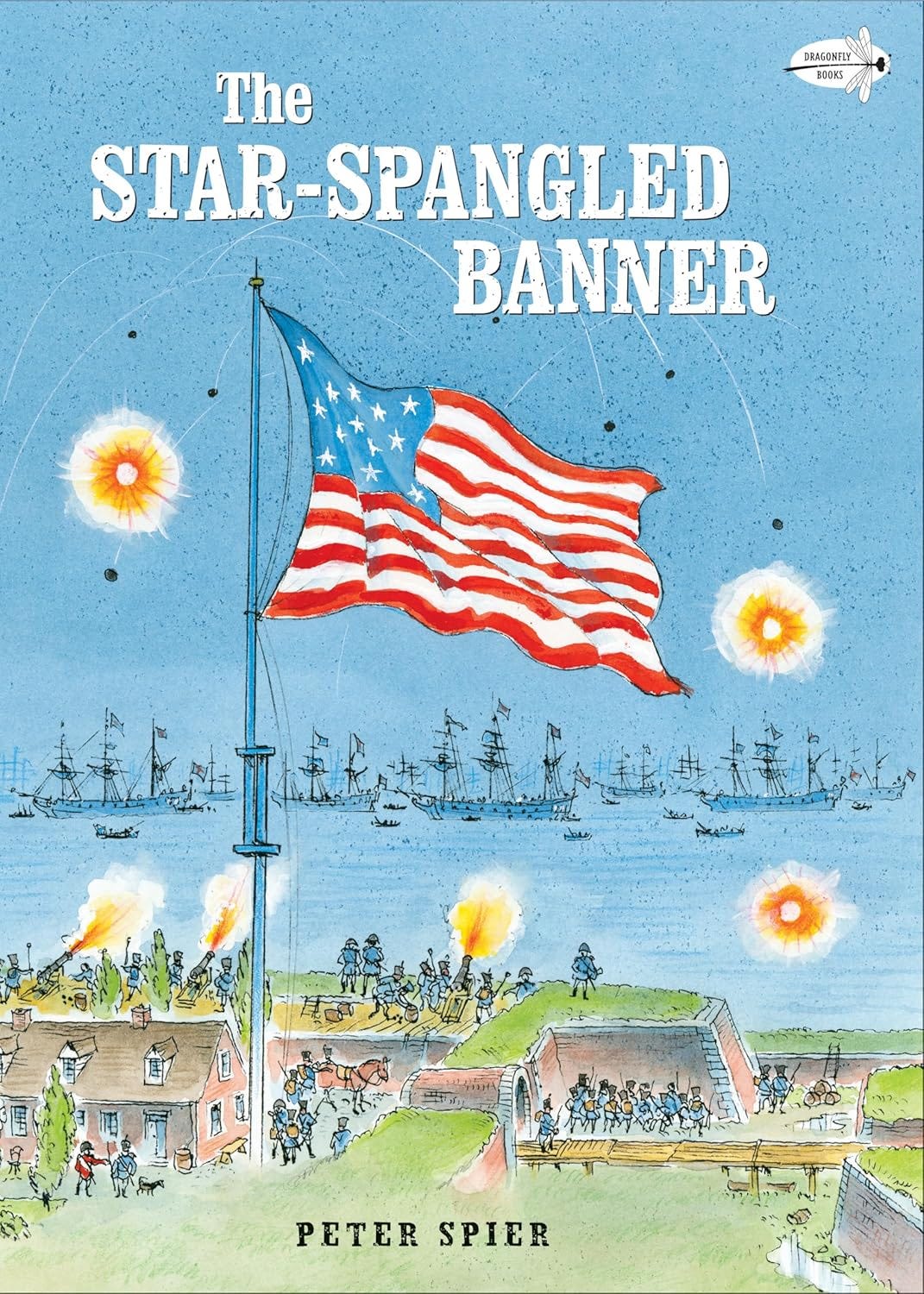
The Star-Spangled Banner
by Peter Spier
(American Flag, War of 1812, The National Anthem, Francis Scott Key, Biographical, 1810s)
Expanding America

The Crossing: Lewis and Clark’s historic journey seen through a brand-new pair of eyes
by Donna Jo Napoli; illustrated by Jim Madsen
(Jean Baptiste Charbonneau, Sacajawea, Journeys, Mississippi River to the Pacific Ocean, Lewis and Clark Expedition, Shoshoni Indians, Native Americans, Biographical, 1800s)
Ox-Cart Man
by Donald Hall and Barbara Cooney
(Homesteading, Farm life, Going to market, Family life, New England, Autumn, 1830s)

Apples to Oregon: Being the (Slightly) True Narrative of How a Brave Pioneer Father Brought Apples, Peaches, Pears, Plums, Grapes, and Cherries (and Children) Across the Plains
by Deborah Hopkinson; illustrated by Nancy Carpenter
(Oregon Trail, Westward Expansion, Frontier and Pioneer life, 1840s)
Frontier life

An Outlaw Thanksgiving
by Emily Arnold McCully
(Butch Cassidy, Robert LeRoy Parker, Cowhands, Snowstorms, Railroads, Train robbers, Thanksgiving Day, Frontier and Pioneer life, Going West, Biographical, Utah, 1890s)

Cowboy Charlie: The Story of Charles M. Russell
by Jeanette Winter
(American Western artists, Old West, Frontier life, Cowboys, Cultural preservation, Montana, Biographical, 1860s-1920s)

Moving the Millers’ Minnie Moore Mine Mansion: A True Story
by Dave Egger; illustrated by Júlia Sardà
(Mining frontier, Ingenuity, Based on a true story, Humorous stories, Biographical, Old West, Idaho, 1870s-1910s)
Freedom and the Meaning of America
Freedom has always been central to the American story—but its meaning, and who it belonged to, has often been contested. These books explore slavery, abolition, war, and the long struggle to define liberty more fully in the life of the nation.

28 Days: Moments in Black History that Changed the World
by Charles R. Smith Jr.; illustrated by Shane W. Evans
(Primary source material, Crispus Attucks, Dred Scott decision, Robert Smalls, 14th Amendment, Daniel Hale Williams, Plessy v. Ferguson, Matthew Henson, Harriet Tubman, Henry Johnson, Madam C. J. Walker, Bessie Coleman, Jesse Owens, Marian Anderson, Jackie Robinson, Brown v. Board of Education, Rosa Parks, Althea Gibson, Arthur Ashe, Little Rock Nine, Wilma Rudolph, Martin Luther King Jr., Malcolm X, Thurgood Marshall, Shirley Chisholm, Hank Aaron, Guion “Guy” Bluford, Mae Jimison, Nelson Mandela, Oprah Winfrey, Barack Obama, Biographical, 1770s-modern)
Slavery

Who Owns the Sun?
by Stacy Chbosky
(Slavery, Philosophical questions, African American history, Fathers and Sons, Innocence of children, 1850s)

Hammering for Freedom: The William Lewis Story
by Rita Lorraine Hubbard (Author), John Holyfield
Featured Title:
I was so inspired by this story of faithfulness and love in the life of Bill Lewis, who bought his own freedom by becoming a respected blacksmith and then spent the next twenty-six years, through hard work and determination, buying the freedom of his wife, children, and immediate family.
And then… I read the author’s note.
Let’s just say my inspiration turned into a whole lot of less pleasant emotions when I learned that the colonel Bill had so faithfully paid thousands of dollars to in order to free his family was also his biological father.
To say I hit the roof would be an understatement.
Read this with your older kids. Watch the reveal hit. Have the hard conversations.
(Slavery, Buying freedom, Blacksmiths, Faithfulness, Supportive marriages, Biographical, Chattanooga, Tennessee, 1810s-1890s)
Abolition

John Brown: His Fight for Freedom
by John Hendrix
(Harper’s Ferry, Slavery, Underground Railroad, Pottawatomie massacre, Primary Source Material, Devout life, Militant abolitionists, Martyrs, Biographical, 1840s-1850s)

Moses: When Harriet Tubman Led Her People to Freedom
by Carole Boston Weatherford; illustrated by Kadir Nelson
(Underground Railroad, Slavery, Prayer, Devout life, Biographical 1840s-1910s)

CeeCee: Underground Railroad Cinderella
by Shana Keller; illustrated by Laura Freeman
(Fairy tale retelling, Harriet Tubman, Underground Railroad, The power of a name, 1860s)
Civil War
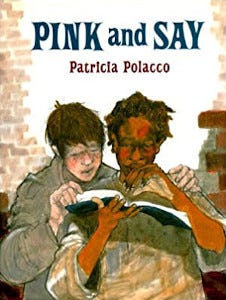
Pink and Say
by Patricia Polacco
(American Civil War, Union soldiers, Friendship, Confederate territory, POWs, Based on a true story, Georgia, Biographical, 1860s)

Hold the Flag High
by Catherine Clinton; illustrated by Shane W. Evans
(American Civil War, Battle of Morris Island, African American history, Military history, Soldiers, Massachusetts Fifty-fourth, South Carolina, Congressional Medal of Honor, 1860s)

Soldier Song: A True Story of the Civil War
by Debbie Levy (Author), Gilbert Ford
(Civil War, Music and the War, Confederate soldiers, Union soldiers, Sheet music, 1860s)

Lincoln’s Gettysburg Address
by Abraham Lincoln; illustrated by James Daugherty
(Gettysburg Address, Civil War, Abraham Lincoln, Primary source material, Politics and Government, 1860s)
Reconstruction
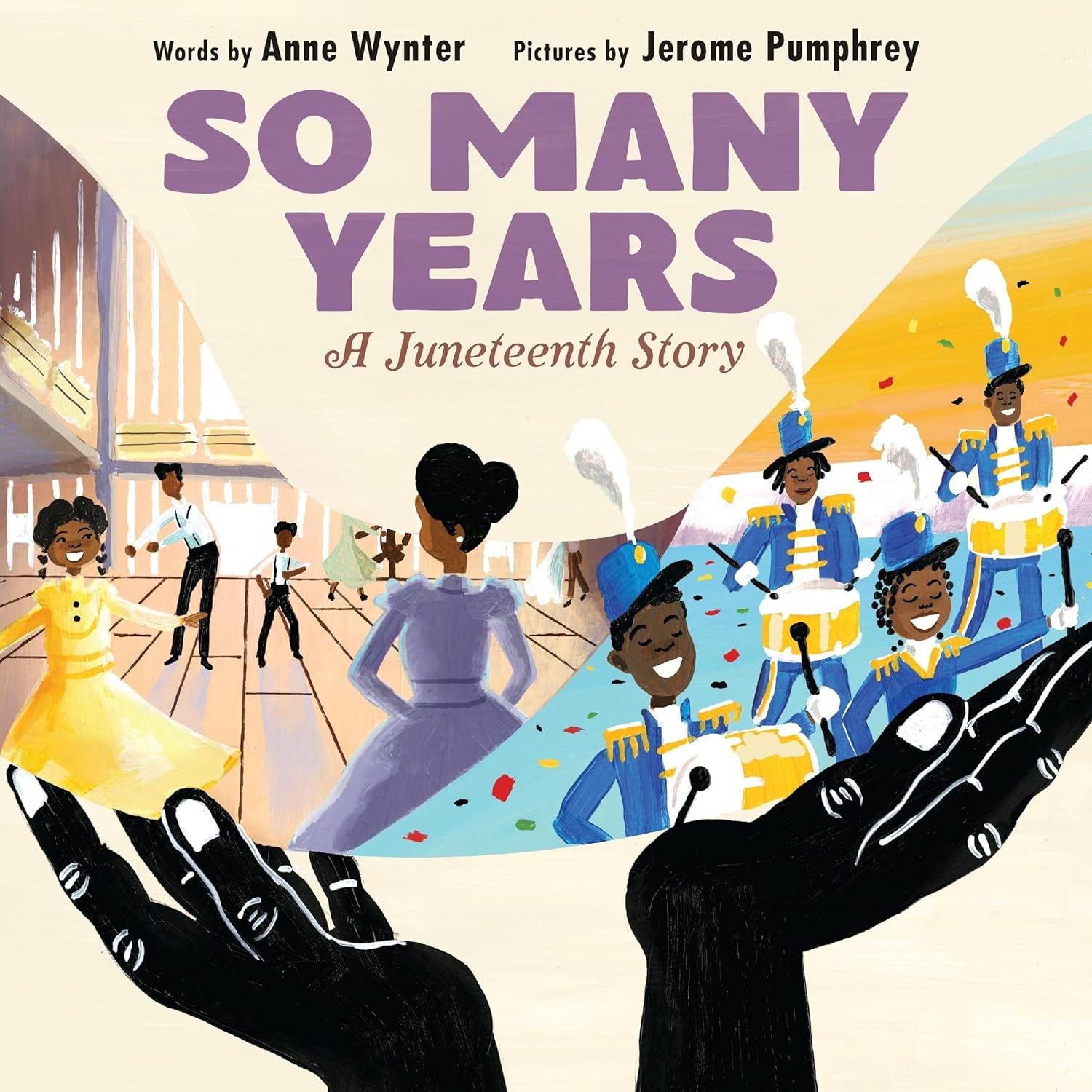
So Many Years: A Juneteenth Story
by Anne Wynter; illustrated by Jerome Pumphrey
Featured Title:
This is a powerful celebration of freedom after bondage, and I’ll be adding it to my “grief and hard conversations” shelf. I believe it will deeply resonate with single parents and children who are leaving abuse and reclaiming life after years of suffering.
If you’re looking for a book of “black joy”, this is a great one!
(Black resilience, Black joy, “Lift Every Voice and Sing” lyrics, Celebrations, African American history, 1860s)

Free At Last: A Juneteenth Poem
by Sojourner Kincaid Rolle; illustrated by Alex Bostic
(Bondage, Freedom, Poems, African American history, Galveston, Texas, 1860s)

Carter Reads the Newspaper: The Story of Carter G. Woodson, Founder of Black History Month
by Deborah Hopkinson; illustrated by Don Tate
(Black History Month, Post-Civil War Era, African American history, Literacy, Love of history, Biographical, 1870s-1950s)
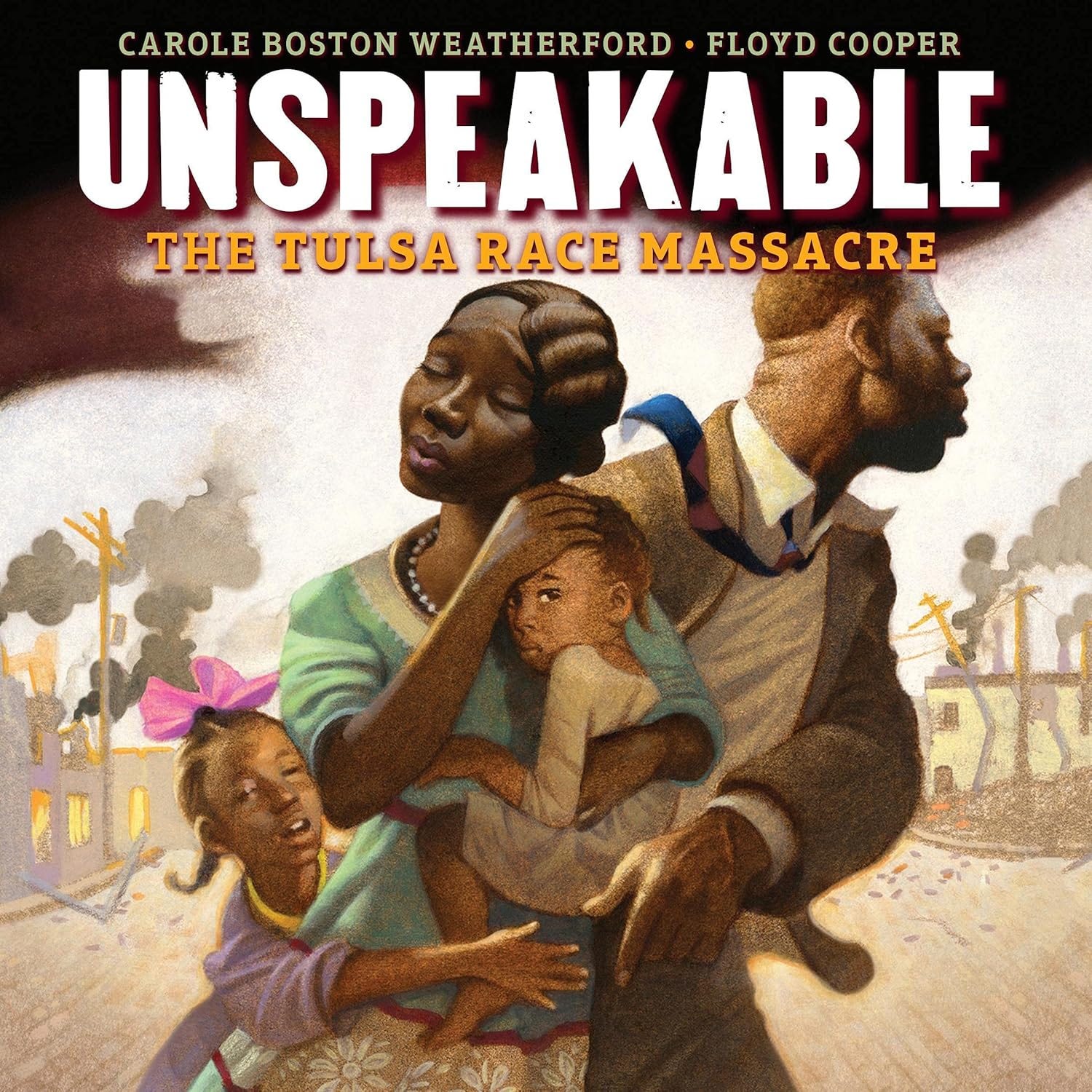
Unspeakable: The Tulsa Race Massacre
by Carole Boston Weatherford and Floyd Cooper
(Tulsa Race Massacre, Racial violence, Oklahoma, Community devastation, Politics and Government, Prejudice and racism, 1910s-1920s)
Broader Freedom/Contested Belonging

Bright Path: Young Jim Thorpe
by Don Brown
Featured Title: Jim Thorpe’s life, marked by hardship and incredible athletic prowess, is vividly brought to life in this beautifully illustrated book. It follows his journey from a difficult childhood through his record-setting performances at the 1912 Olympics. Don Brown’s simple yet powerful illustrations, along with a detailed author’s note, make this book a compelling read for both children and adults, highlighting Thorpe’s legacy and the eventual return of his Olympic medals.
(Sac and Fox Nation, Native Americans, Olympic dreams, Athletes, Olympians, Prejudice and racism, 1880s-19550s)
Coming to America
Many of the people who shaped America came from somewhere else, while others moved across the country in search of opportunity, safety, or a fresh start. These books explore the realities of immigration, migration, and what it means to make a home in a new place.
Arrival/Immigration

Grandfather’s Journey
by Allen Say
(Immigration stories, Homesickness, Japanese Americans, Travel, American landscapes, Marriage, Aging, World War II, Love of country, Japan, Meiji Era, 1860s-1940s)

Naming Liberty
by Jane Yolen; illustrated by Jim Burke
(Statue of Liberty, Immigration stories, Jewish Americans, Lithuanian Americans, Ukrainian Americans, Based on a true story, Multiple stories, Frédéric Bartholdi, 1830s-1900s)

Emma’s Poem: The Voice of the Statue of Liberty
by Linda Glaser; illustrated by Claire A. Nivola
(“The New Colossus”, Poets, Social conditions, The Statue of Liberty, Jewish Americans, 1850s-1880s)

Gittel’s Journey: An Ellis Island Story
by Lesléa Newman; illustrated by Amy June Bates
(Ellis Island, Immigration stories, Family reunions, Jewish Americans, 1900s-1910s)

At Ellis Island: A History in Many Voices
by Louise Peacock; illustrated by Walter Lyon Krudop
(Immigration stories, Ellis Island Immigration Station, Primary source materials, Letters, Armenian Americans, 1900s)
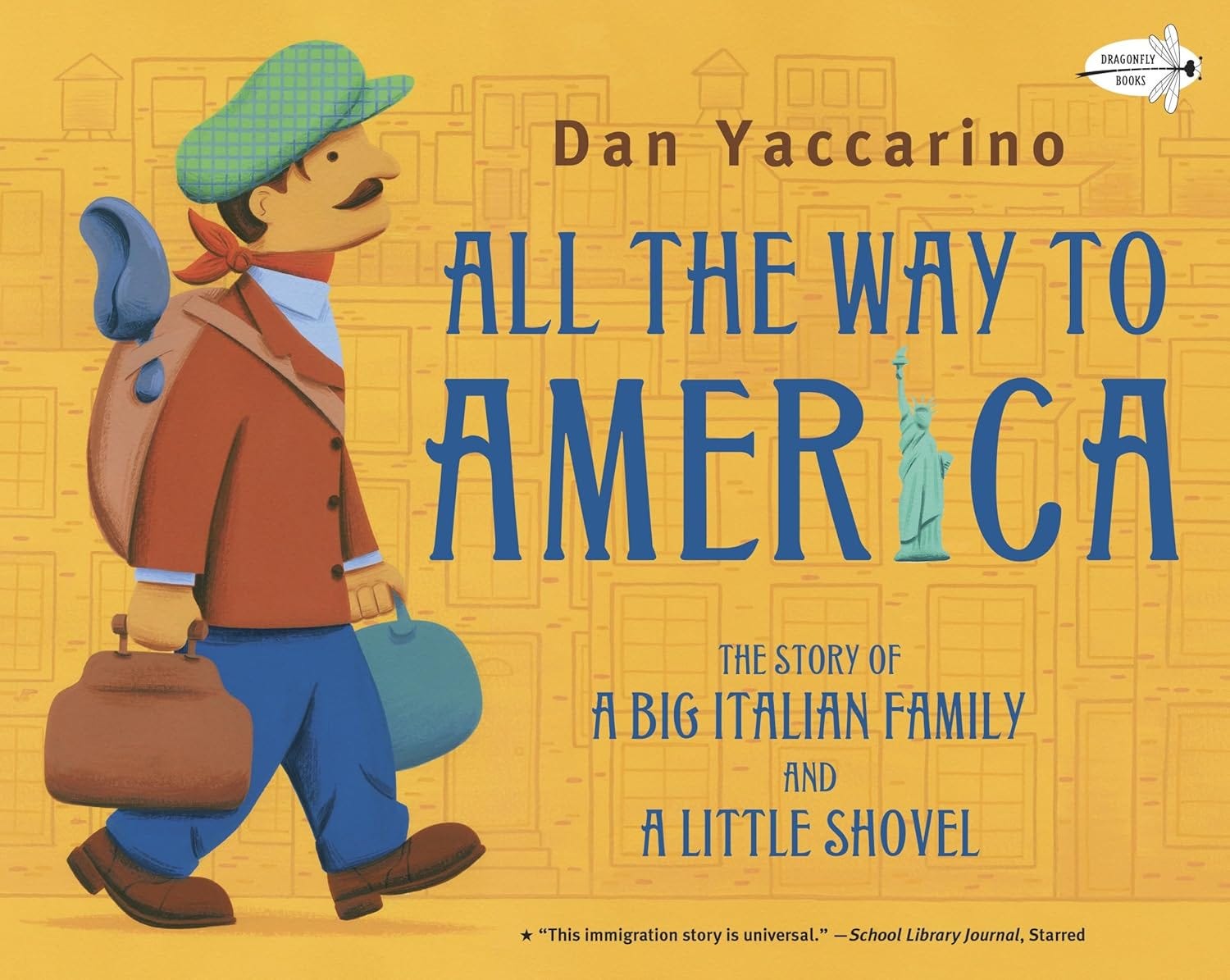
All the Way to America: The Story of a Big Italian Family and a Little Shovel
by Dan Yaccarino
(Immigration Stories, Ellis Island, Italian Americans, 1900s)

Paper Son: Lee’s Journey to America (Tales of Young Americans)
by Helen Foster James, Virginia Shin-Mui Loh; illustrated by Wilson Ong
(Chinese Exclusion Act of 1882, Immigration stories, Angel Island, Chinese Americans, 1920s-1930s)
Belonging/Ethnic Communities

Luli and the Language of Tea
by Andrea Wang; illustrated by Hyewon Yum
(ESL classes, Multicultural families, Friendship, Community, 2020s)

Watercress
by Andrea Wang (Author), Jason Chin
(Wildcrafting, Second-generation Immigrant stories, Heritage, Family history, 2020s)

Sugar in Milk
by Thrity Umrigar; illustrated by Khoa Le
(Immigrants, Iranian Americans, Parsi folktales, 2020s)
Becoming American

The Name-Jar
by Yangsook Choi
(Korean Americans, Immigration stories, Celebrating our differences, Multicultural friendships, 2000s)

Home Is in Between
by Mitali Perkins; illustrated by Lavanya Naidu
(Bengali Americans, Multicultural families, Cultural pride, Cultural assimilation, Preserving tradition, Hindus, 2020s)
Great Migration

The Great Migration: Journey to the North
by Eloise Greenfield; illustrated by Jan Spivey Gilchrist
(Post-WWI African-American Northern Great Migration, Railroad travel, Poems, 1910s-1930s)

The Great Migration: An American Story
by Jacob Lawrence
(Post-WWI African American Northern Great Migration, Railroad travel, Artists, “Migration” by Walter Dean Myers, 1910s-1970s)
Building the Nation
These books tell the story of how America was built—not only through roads, rails, and inventions, but through labor, industry, reform, and the persistence of ordinary people whose work shaped the nation.
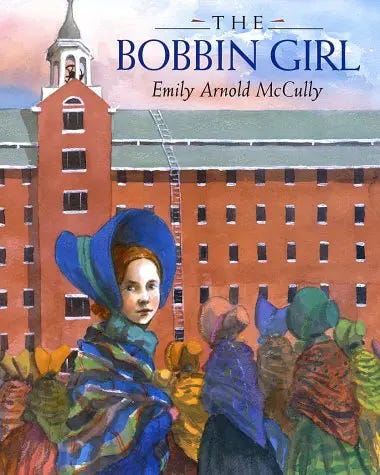
The Bobbin Girl
by Emily Arnold McCully
(Child labor, Workers’ rights, Strikes, Industrialism, Cotton mills, Massachusetts, 1830s)

Samuel Morse, That’s Who!: The Story of the Telegraph and Morse Code
by Tracy Nelson Maurer; illustrated by El Primo Ramón
(Morse code, Inventors & Inventions, 1830s)

Of Walden Pond: Henry David Thoreau, Frederic Tudor, and the Pond Between
by Lesa Cline-Ransome; illustrated by Ashley Yazdani
(Ice industry, Nature, Poets, East India Company, Primary source material, Concord, Massachusetts, 1840s)

Marvelous Mattie
by Emily Arnold McCully
(Margaret E. Knight, The female Edison, Inventor of the paper bag, Inventors & Inventions, Patents, Patent law, Lawsuits, Child labor, Workers’ safety, 1830s-1910s)
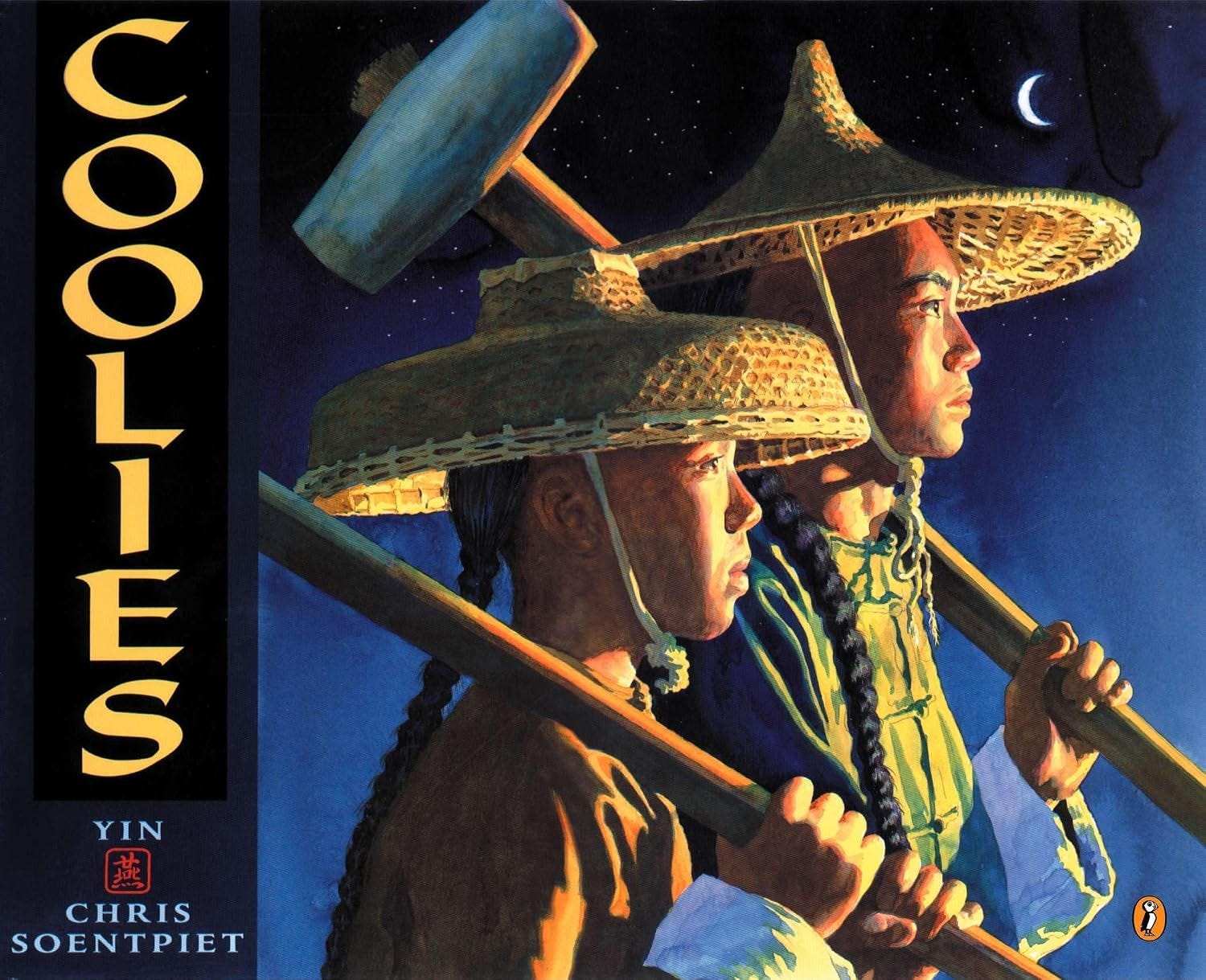
Coolies
by Yin; illustrated by Chris Soentpiet
(Chinese, Chinese Americans, Immigration stories, Qingming Festival, Central Pacific Railroad, Asian immigrants, Westward expansion, 1860s)

John Henry: An American Legend
by Ezra Jack Keats
(American folktales & myths, Railroad workers, 1840s-1870s)

Across America on and Emigrant Train
by Jim Murphy
(Westward Expansion, Primary source materials, Robert Louis Stevenson, Transcontinental travel, 1870s)
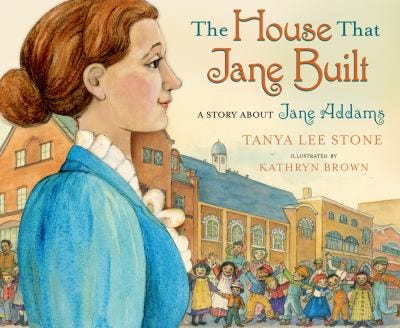
The House That Jane Built: A Story About Jane Addams
by Tanya Lee Stone; illustrated by Kathryn Brown
(Jane Addams, Hull house, Social conditions, Social reformers, Social workers, Chicago, Illinois, 1860s-1920s)

Kid Blink Beats the World
by Don Brown
(Newspaper strikes, Joseph Pulitzer, Randolph Hearst, Child labor, Tenements, 1890s)

Mother Jones and Her Army of Mill Children
by Jonah Winter; illustrated by Nancy Carpenter
(Labor Movements, Labor Leaders, Social reformers, Children’s Crusade, 1900s-1910s)

Maybelle the Cable Car
by Virginia Lee Burton
(Cable Cars, Transportation, Politics and Government, Petitions, Elections, San Francisco, California, 1870s-1950s)
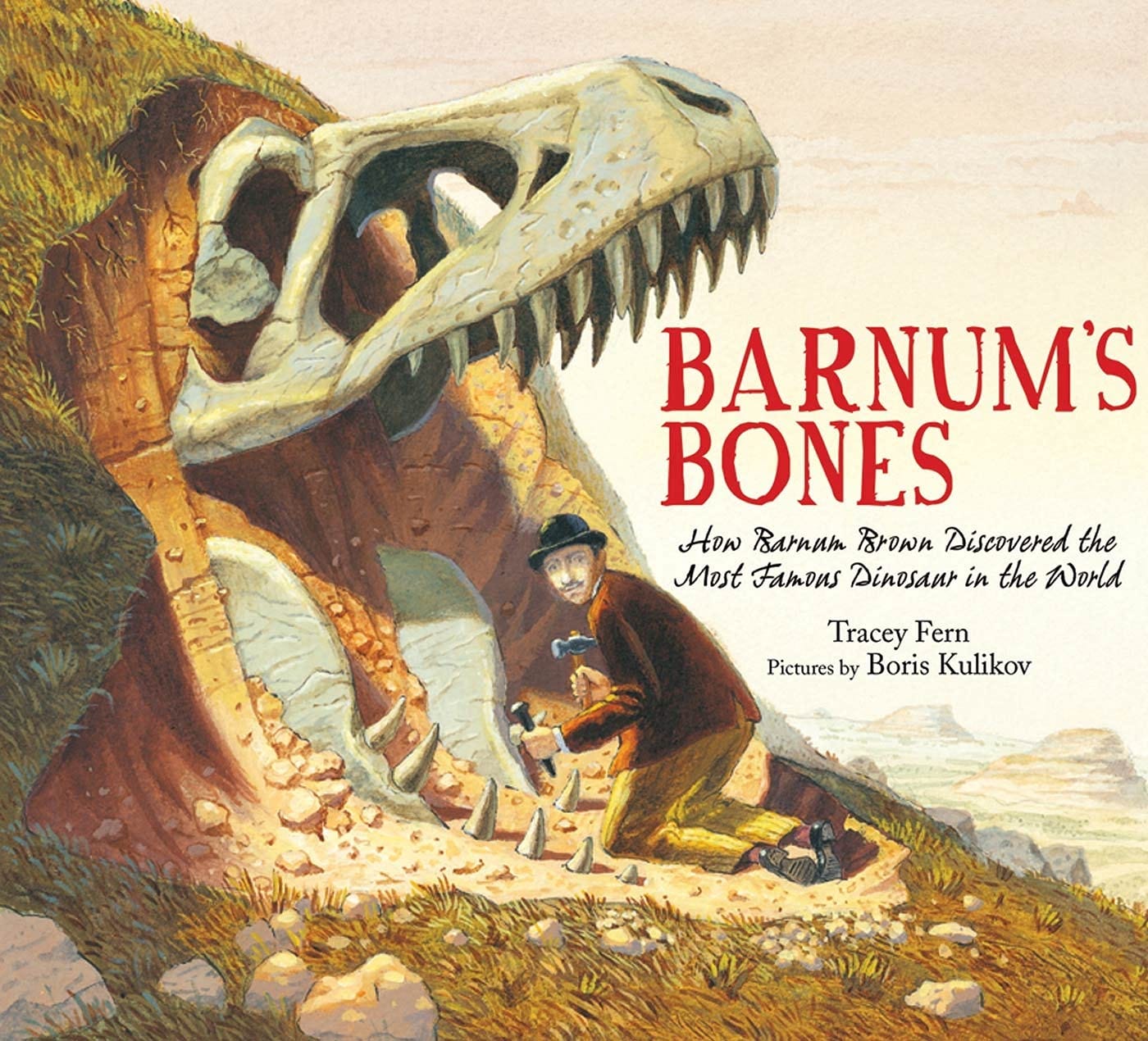
Barnum’s Bones: How Barnum Brown Discovered the Most Famous Dinosaur in the World
by Tracey Fern; illustrated by Boris Kulikov
(Paleontologists, American Museum of Natural History, Tyrannosaurus Rex, Geology, Dinosaur fossils, Scientific discoveries, Badlands, 1870s-1960s)

I Dream of Trains
by Angela Johnson; illustrated by Loren Long
(Casey Jones, Train Accidents, Railroad Workers, 1900s-1920s)
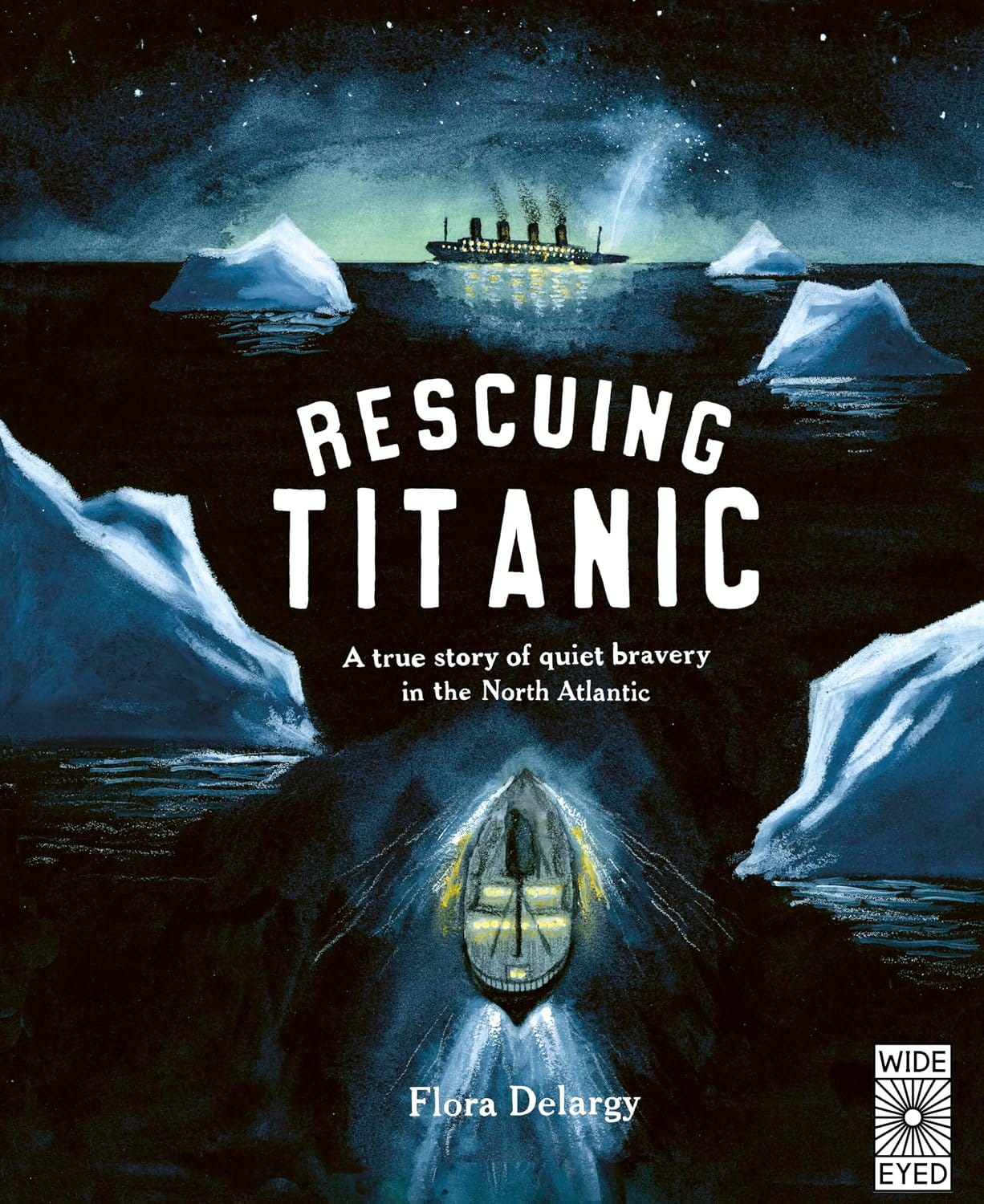
Rescuing Titanic: A true story of quiet bravery in the North Atlantic
by Flora Delargy
Featured title:
At first blush, a book on the Carpathia rushing to the aid of the Titanic may feel like I’m fudging the spirit of this list simply because my heart beats for the Carpathia. Far from it. Illustrated by Flory in a style delightfully reminiscent of Gene Zion, this book sets the stage for the rapidly changing world of maritime signals and systems. That fateful night marked the first use of the new SOS signal, and radio operators pushed themselves to the brink, using this new technology to try and save even one more life. Super informative and deeply inspiring, this book lets readers feel the mounting anxiety aboard the Carpathia as she raced to rescue those facing almost certain death—including nearly 200 Americans. Coming in at 80 oversized pages, this picture book is well worth the investment.
(RMS Titanic, RMS Carpathia, Morse code, By-the-minute details, Rescue missions, Maritime signals and systems, Roles of a crew, Captain Arthur Rostron, Ship life, Ocean liners, 1910s)

Jack Knight’s Brave Flight: How One Gutsy Pilot Saved the US Air Mail Service
by Jill Esbaum; illustrated by Stacy Innerst
(United States Postal Service, Mail delivery, U.S. Air mail service, Blizzards, Pilots, Aviation, History of U.S. Mail timeline, Nebraska, Iowa, 1920s)

Lightship
by Brian Floca
(Lightships, U.S. Coast Guard, Great Lakes, Atlantic Ocean, Gulf of Mexico, 1820s-1980s)

Pass Go and Collect $200: The Real Story of How Monopoly Was Invented
by Tanya Lee Stone; illustrated by Steven Salerno
(Economics, Board games, Female creators, Landlords, Park Brothers Game Company, Women in STEM, 1900s-1930s)

Mr. Ferris and His Wheel
by Kathryn Gibbs Davis; illustrated by Gilbert Ford
(George Washington Gale Ferris Jr, World fairs, Inventions & Inventors, Engineering, 1890s)

Making Light Bloom: Clara Driscoll and the Tiffany Lamps
by Sandra Nickel; illustrated by Julie Paschkis
(Designers, Engineers, Glass artists, Letter writing, World Fairs, Tiffany Girls, 1890s)

The Inventor’s Secret: What Thomas Edison Told Henry Ford
by Suzanne Slade; illustrated by Jennifer Black Reinhardt
(Inventors & Inventions, Scientists, Friendships, Engines, Vehicles, Perseverance, 1870s-1920s)
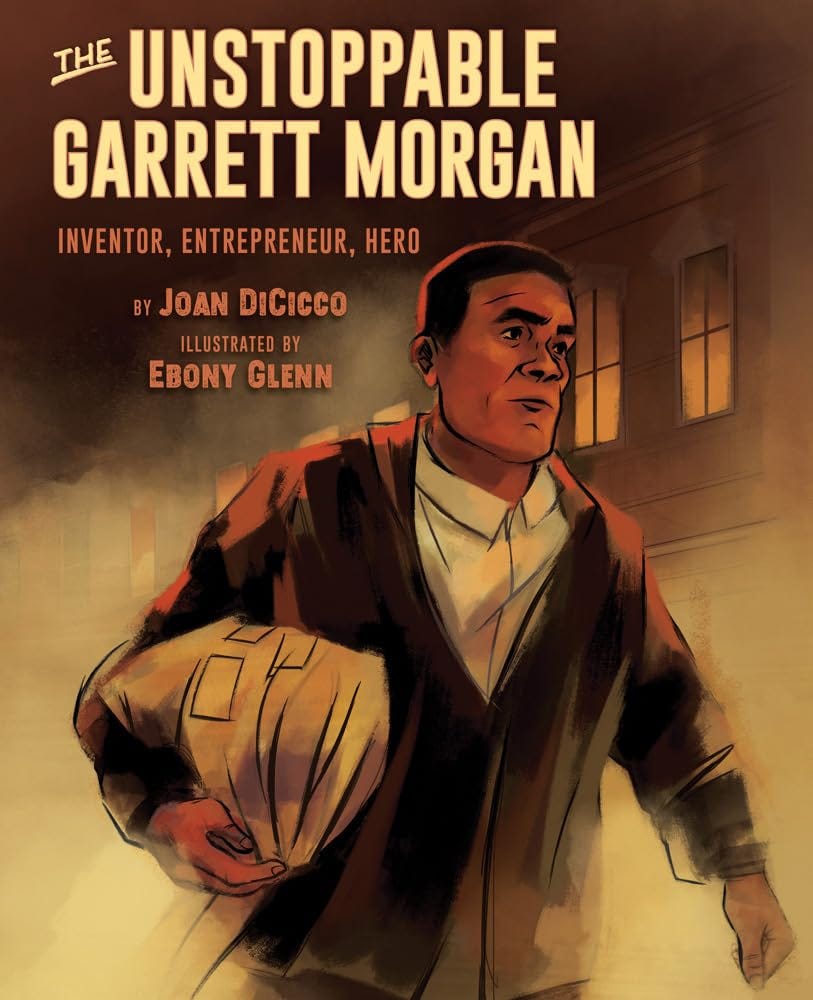
The Unstoppable Garrett Morgan: Inventor, Entrepreneur, Hero
by Joan DiCicco; illustrated by Ebony Glenn
(Inventors, Machinists, Patent holders, Interracial marriages, The Safety Hood (precursor to WWI gas masks), Businessman, Supportive marriages, Ohio, 1870s-1960s)

The Boo-Boos That Changed the World: A True Story About an Accidental Invention (Really!)
by Barry Wittenstein; illustrated by Chris Hsu
(Band-Aids, Inventions & Inventors, Boy Scouts of America, Health, Supportive marriages, 1920s)
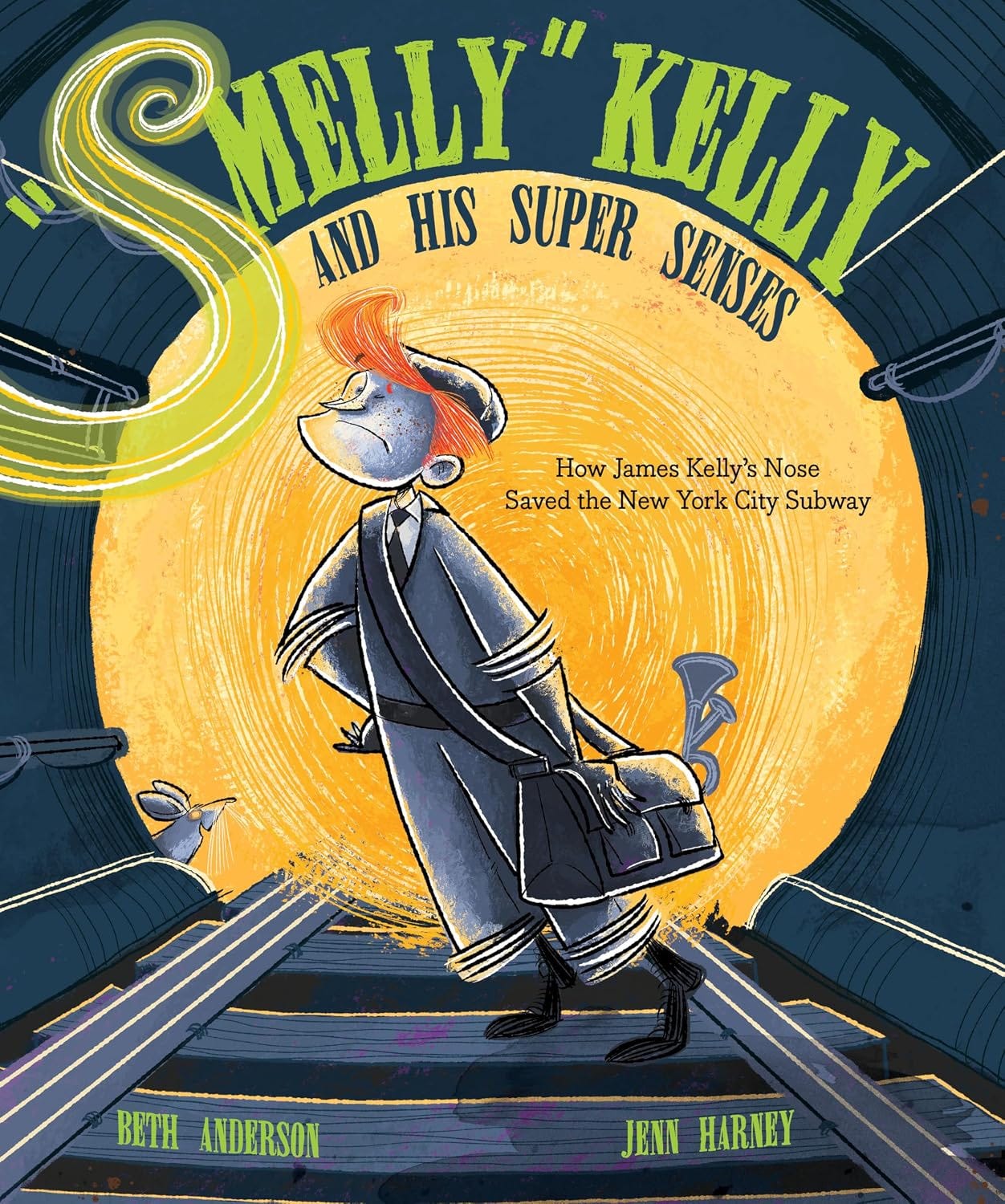
“Smelly” Kelly and His Super Senses: How James Kelly’s Nose Saved the New York City Subway
by Beth Anderson; illustrated by Jenn Harney
(New York City Subway, Irish Americans, Special talents, 1930s)

The Firehouse Light
by Janet Nolan; illustrated by Marie Lafrance
Featured title:
If we were in-person friends, you’d know one of my fun autism party tricks is being able to hear electricity—and only being able to tolerate certain lightbulbs without spiraling into raging anxiety. The planned obsolescence of my dear friend the incandescent bulb is something I think about at least once a day. This true story of a handblown glass bulb that has been burning in California for over 120 years made me want to weep for what could have been for the rest of us as I stare down my monthly bulb replacements at home. Heaven will have no fluorescents, of this I am sure.
(Lightbulbs, Livermore-Pleasanton Fire Department, California, 1900s-2020s)

Me and Momma and Big John
by Mara Rockliff; illustrated by William Low
(Cathedral of Saint John the Divine, Stoneworkers, New York City, 1970s)

Me and the Sky: Captain Beverley Bass, Pioneering Pilot
by Beverley Bass (Author), Cynthia Williams (Author); illustrated by Joanie Stone
Featured Title:
On its face, this may seem like a straightforward biography of one of the first female commercial pilots—but then you reach the author’s note and learn that Beverley was also in the air on September 11, 2001. She was rerouted to Gander, Newfoundland, along with 38 other jumbo jets. The full story of that small town taking in so many pilots, crew members, and passengers that they nearly doubled their population remains one of my favorite modern examples of human kindness. If you want more, read The Day the World Came to Town or watch the Broadway musical Come from Away.
(Pilots, Aviation, Women’s rights, American Airlines, Women in STEM, 1950s-2000s)

The Village Blacksmith
by Henry Wadsworth Longfellow; illustrated by G. Brian Karas
(Blacksmithing, Community life, Hard work, Written in the 1830s, Set in the 2020s)
Ingenuity and Discovery
From written language to open-heart surgery, from the depths of the ocean to the surface of the moon, these stories trace the discoveries and innovations that shaped American life and changed the way we understand the world.

Sequoyah: The Cherokee Man Who Gave His People Writing
by James Rumford
(Written languages, Literacy, Cherokee Nation, Native Americans, 1810s-1840s)

Tiny Stitches: The Life of Medical Pioneer Vivien Thomas
by Gwendolyn Hooks; illustrated by Colin Bootman
(Open-heart surgery, Medical advancements, Innovators, Prejudice and racism, Great Depression, African Americans, 1910s-1980s)

The Five Sides of Marjorie Rice: How to Discover a Shape
by Amy Alznauer, Anna Bron
(Mathematicians, Geometry, Shapes, Curiosity, Puzzles, Patterns, Pentagons, Women in STEM, Joy of discovery, Mathematical Association of America, Scientific America magazine, 1930s-1990s)

A Life Electric: The Story of Nikola Tesla
by Azadeh Westergaard; illustrated by Júlia Sardà
(Inventors & Inventions, Engineers, Electricity, Free energy, Chicago World Fair, George Westinghouse, Pigeons, 1850s-1940s)

Jenny: The Airplane that Taught America to Fly
by David Weitzman
(Airplanes, Biplanes, Pilots, Female pilots, Armies, Aviation, 1910s-1930s)

Amelia and Eleanor Go for a Ride
by Pam Muñoz Ryan; illustrated by Brian Selznick
(First Ladies, Female Pilots, Friendships, Amelia Earhart, Eleanor Roosevelt, Defying convention, Recipes, Aviation, Women in STEM, 1930s)

Otis and Will Discover the Deep: The Record-Setting Dive of the Bathysphere
by Barb Rosenstock; illustrated by Katherine Roy
(Otis Barton, Will Beebe, Deep-sea explorers, Engineers, Inventors & Inventions, 1920s-1930s)

Ocean Speaks: How Marie Tharp Revealed the Ocean’s Biggest Secret
by Jess Keating; illustrated by Katie Hickey
(Oceanographic cartographers, Geomorphologists, Plate tectonics, Ocean floor, Jacques Cousteau, Women in STEM, 1920s-2000s)
Hidden Figures : The True Story of Four Black Women and the Space Race by Margot Lee Shetterly
(NASA, Katherine Johnson, Dorothy Vaughan, Mary Jackson, Christine Darden, Aeronautics, The Space Race, Mathematics, Computers, Jim Crow law, Segregation, Women in STEM, 1940s-1960s)

The Astronaut Who Painted the Moon: The True Story of Alan Bean by Dean Robbins; illustrated by Sean Rubin
(Apollo 12, Astronauts, Moon landing, Painters, Artists, Primary source material, The Space Race, Aeronautics, 1960s)
Hard Times, Strong People
These books tell the stories of hardship, loss, and endurance in American life. Through war, disaster, poverty, displacement, and upheaval, they highlight the resilience of individuals and communities who found ways to survive, rebuild, and care for one another.

Kindred Spirits: Shilombish Ittibachvffa
by Leslie Stall Widener; illustrated by Johnson Yazzie
Featured title: This book traces a remarkable story from the Irish Potato Famine to the present, following the enduring impact of a gift sent by the Choctaw Nation to aid the Irish despite their own recent suffering on the Trail of Tears. The kindness ripples through generations, eventually inspiring support for the Navajo Nation and Hopi Tribe during the COVID-19 pandemic and resulting water crisis.
A powerful and moving read, it restores faith in humanity and models how a wounded people chose compassion, going out of their way to help spare others from the suffering they themselves had endured.
(Irish Potato Famine, Trail of Tears, Covid-19, Choctaw Nation, Navajo Nation, Hopi Tribe, 1840s-2020s)

The Soldier’s Friend: Walt Whitman’s Extraordinary Service in the American Civil War
by Gary Golio; illustrated by E. B. Lewis
(Civil War, Military hospitals, Poets, Soldiers, Union soldiers, Compassion, 1860s)
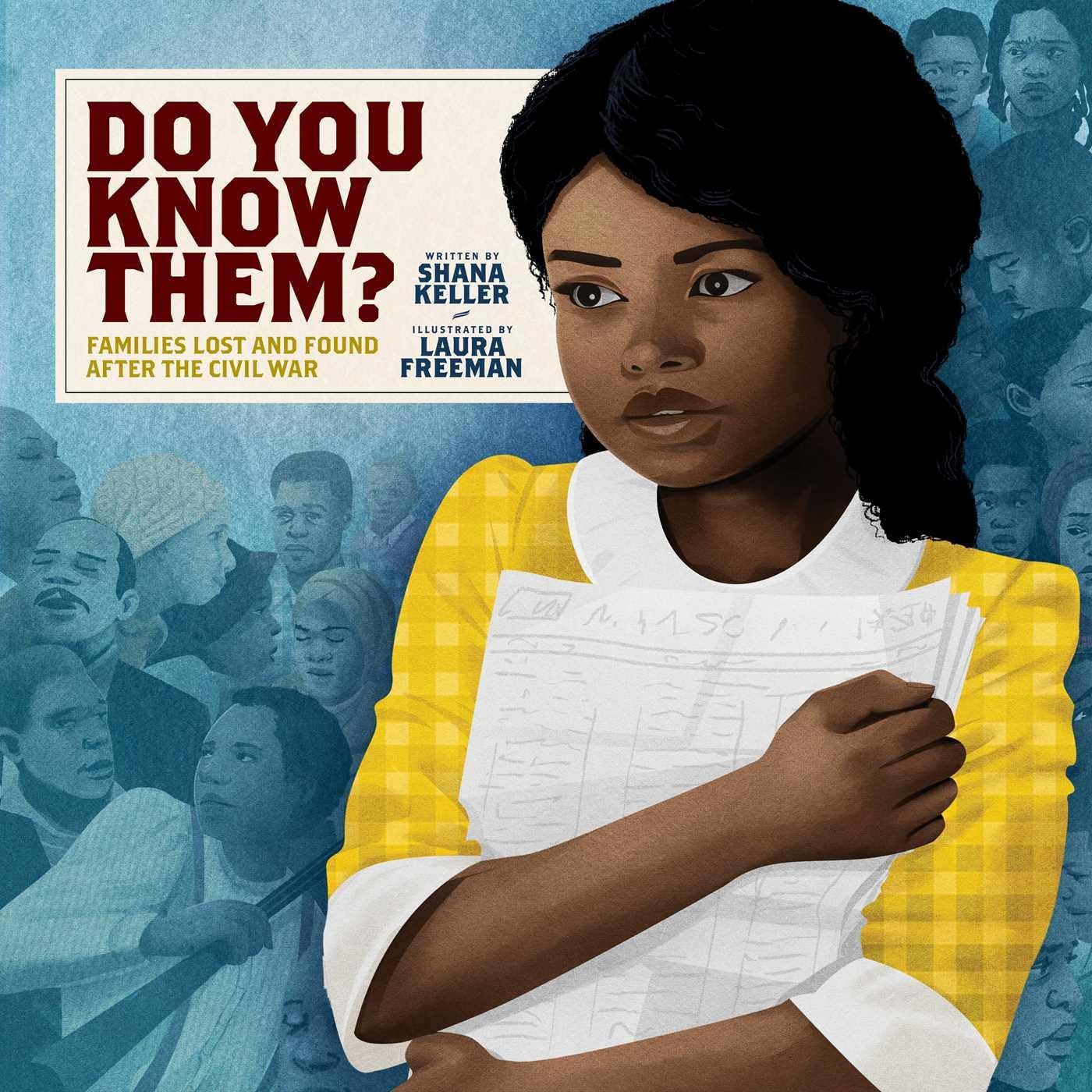
Do You Know Them?: Families Lost and Found After the Civil War
by Shana Keller; illustrated by Laura Freeman
(Post-Civil War, Family reunification, Community resilience, Post-slavery, Literacy, 1860s)
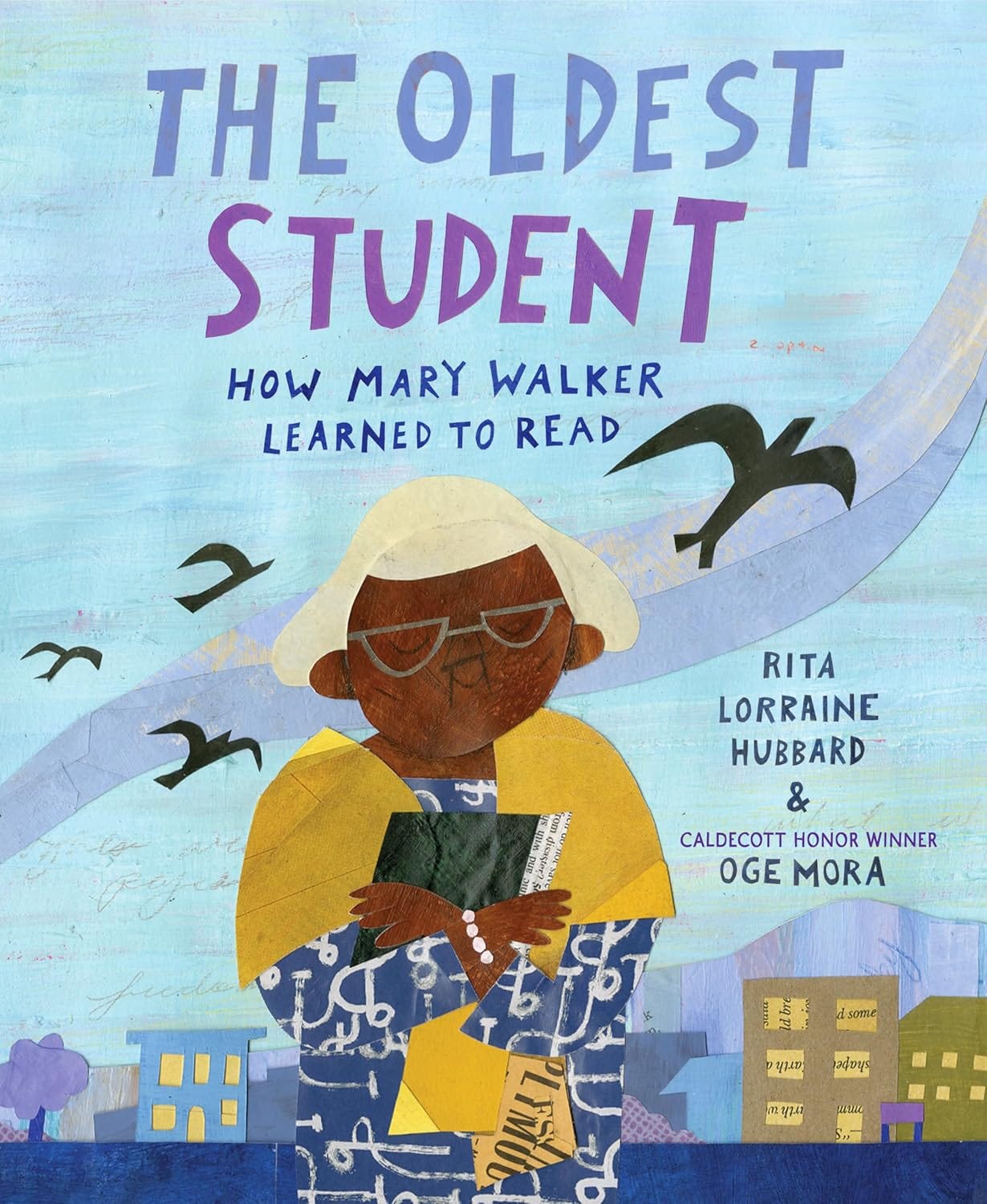
The Oldest Student: How Mary Walker Learned to Read
by Rita Lorraine Hubbard; illustrated by Oge Mora
Featured title:
Mary Walker has such an incredible story. Having lived a life that spanned from being born into slavery to witnessing the Civil Rights Movement, this intrepid woman never quit, finally learning to read at 116 years old.
This book will inspire readers of any age not to give up and reminds us that it is never too late to learn something new, chase a dream, or accomplish a goal.
(Adult literacy, Education, African Americans, 1840s-1940s)
The Gardener
by Sarah Stewart
(Great Depression, Gardening, Letter writing, City life, Family separation, 1930s)
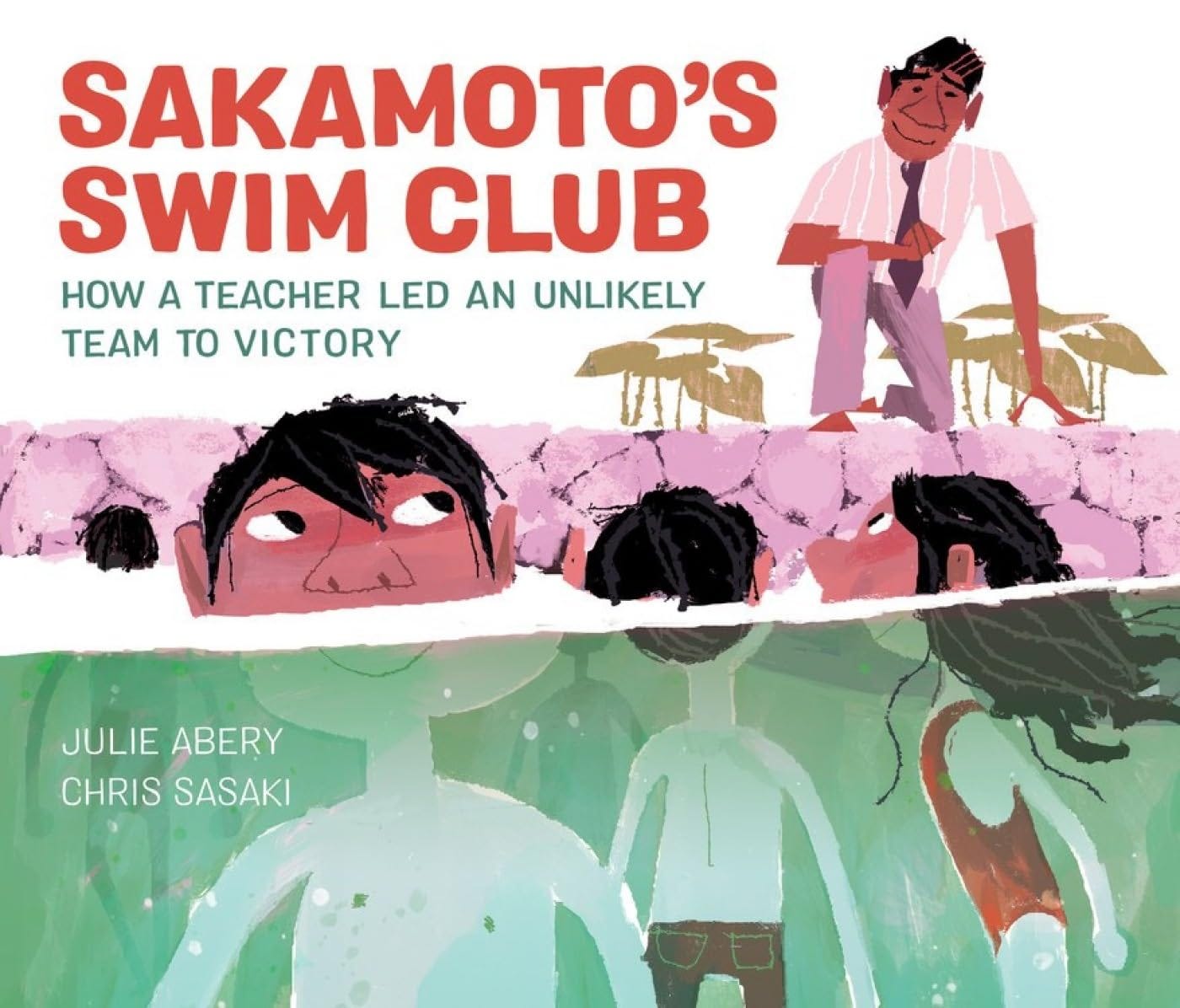
Sakamoto’s Swim Club: How a Teacher Led an Unlikely Team to Victory
by Julie Abery; Illustrated by Chris Sasaki
(The Great Depression, Hawaii, Olympic dreams, Soichi Sakamoto, 1930s)

Ruby’s Hope: A Story of How the Famous “Migrant Mother” Photograph Became the Face of the Great Depression
by Monica Kulling; illustrated by Sarah Dvojack
(Dust bowl, The Great Depression, Dorothea Lange, Oklahoma, California, Migrant workers, Journalism, Photojournalism, 1930s)
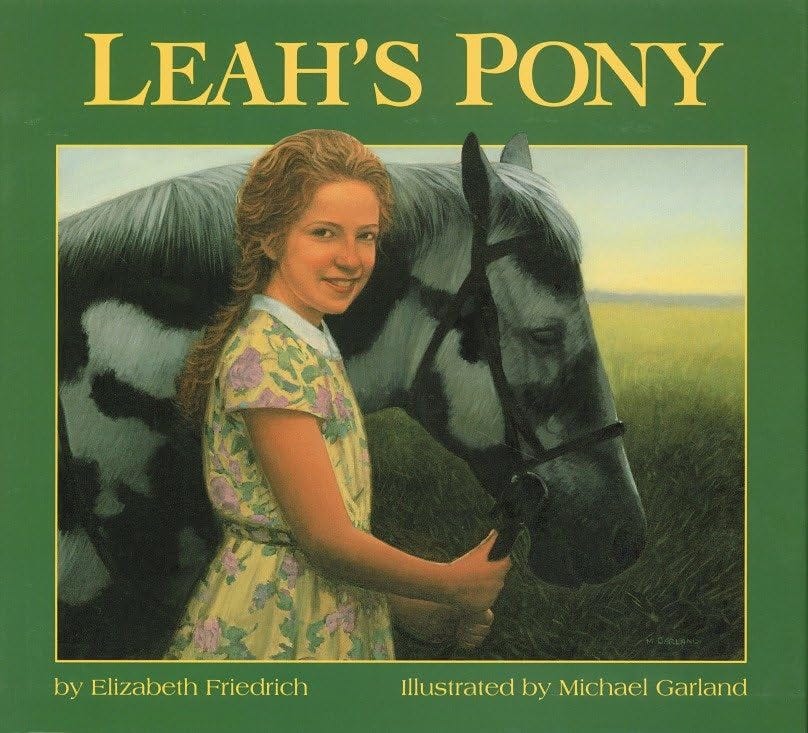
Leah’s Pony
by Elizabeth Friedrich
(Penny auctions, The Great Depression, Dust Bowl, Community support, Farm life, 1930s)

Dream for the Land
by Laekan Zea Kemp; illustrated by Leo Espinosa
(Megadrought, Farmers, Hope, Environmental impact, Native Americans, The human cost, Scars of industry, Southwestern United States, Texas, 2020s)

Dangerous Jane: The Life and Times of Jane Addams, Crusader for Peace
by Suzanne Slade; illustrated by Alice Ratterree
(Jane Addams, FBI’s Most Dangerous Woman in America, Nobel Peace Prize winner, Hull House, Social reformers, Woman’s Peace Party, International Women’s Congress, 1860s-1930s)
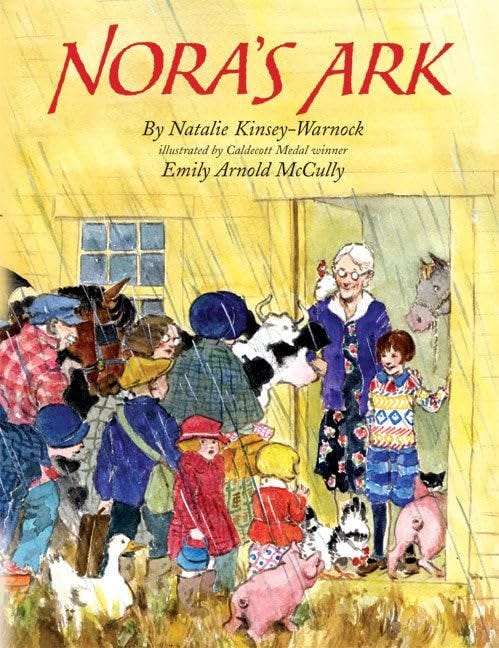
Nora’s Ark
by Natalie Kinsey-Warnock; illustrated by Emily Arnold Mccully
(The Flood of 1927, Vermont, Community resilience, 1920s)
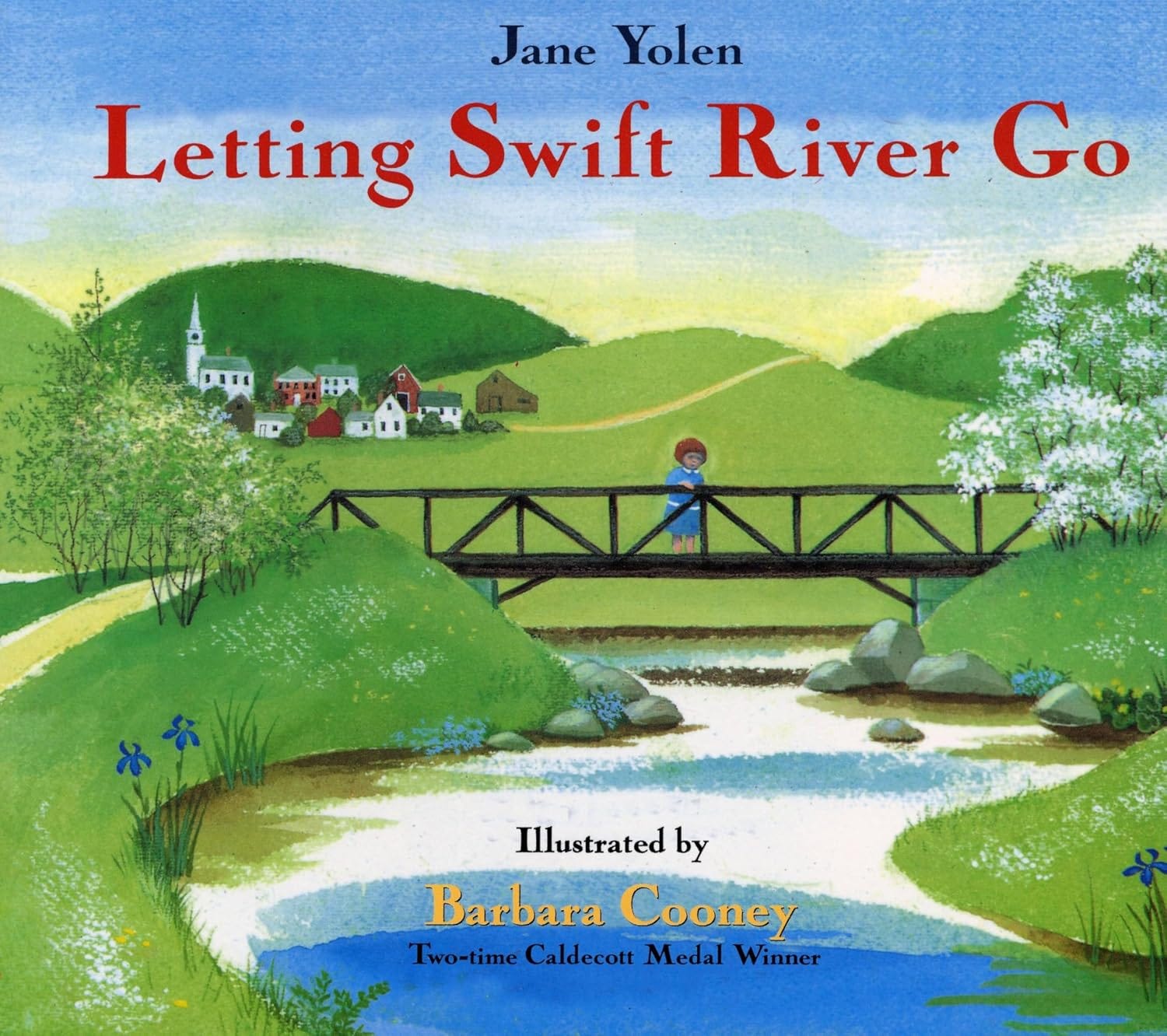
Letting Swift River Go
by Jane Yolen; illustrated by Barbara Cooney
(Quabbin Reservoir, Boston, Rural America, Massachusetts, Community devastation, Politics and Government, 1930s)

Write to Me: Letters from Japanese American Children to the Librarian They Left Behind
by Cynthia Grady; illustrated by Amiko Hirao
(Japanese Americans, Japanese Internment Camps, World War II, based on a true story, Politics and Government, Librarians, Primary source materials, Prejudice and racism, 1940s)
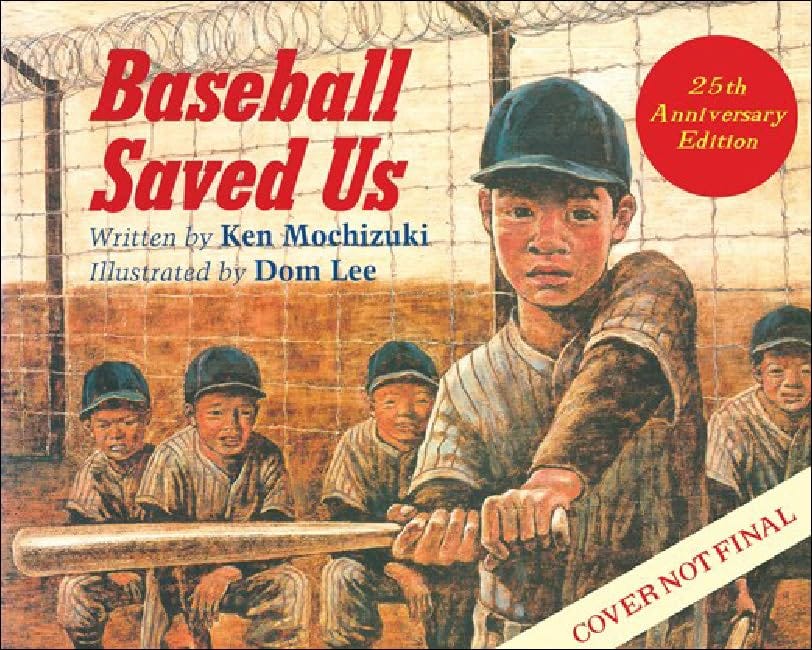
Baseball Saved Us
by Ken Mochizuki; illustrated by Dom Lee
(Baseball, Japanese Americans, Japanese Internment Camps, World War II, based on a true story, Politics and Government, Prejudice and racism, 1940s)
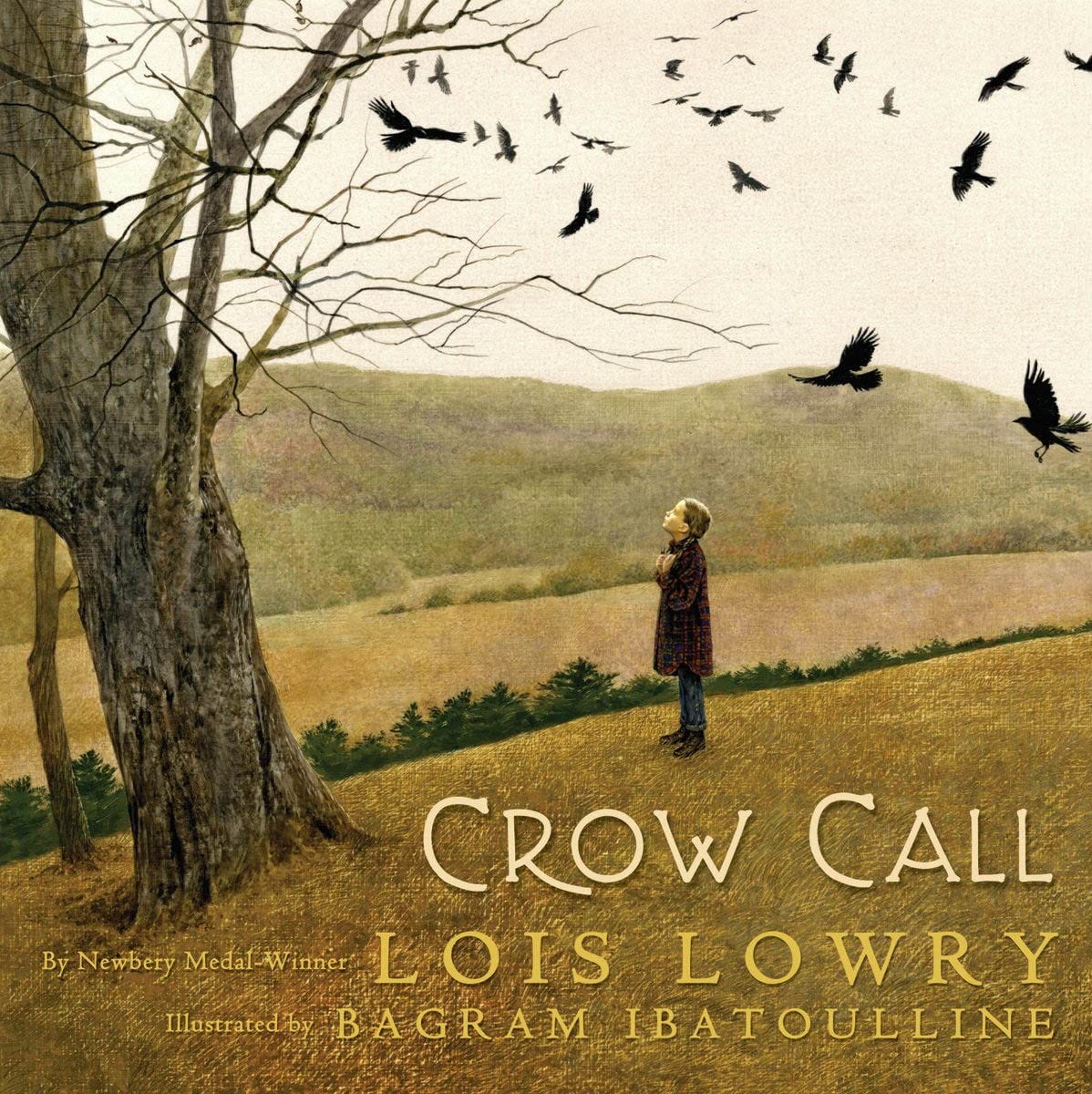
Crow Call
by Lois Lowry; illustrated by Bagram Ibatoulline
(Post-WWII, Based on a true story, Restoring to community, Fathers and daughters, PTSD, 1940s)

Ruby, Head High: Ruby Bridge’s First Day of School
by Irene Cohen-Janca
(Segregation, Norman Rockwell paintings, School integration, Prejudice and racism, Brown v Board of Education, Civil rights, Book in translation, 1950s)

Sanctuary: Kip Tiernan and Rosie’s Place, the Nation’s First Shelter for Women
by by Christine McDonnell; illustrated by Victoria Tentler-Krylov
(Great Depression, Poverty, Homelessness, Warwick House, Social reformers, Boston, Massachusetts, 1920s-2010s)
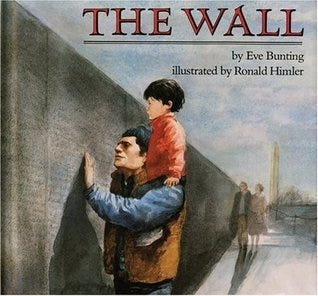
The Wall
by Eve Bunting
(Vietnam War Memorial, Fathers and sons, Washington D.C., National monuments, 1980s)

A Storm Called Katrina
by Myron Uhlberg; illustrated by Colin Bootman
(Hurricane Katrina, Superdome, Community resilience, New Orleans, Louisiana, 2000s)

Seven and a Half Tons of Steel: A Post-9/11 Story of Hope and Transformation
by Janet Nolan; illustrated by Thomas Gonzalez
(September 11th, World Trade Center Towers, United States Navy, Shipmaking, 2000s)

The Cot in the Living Room
by Hilda Eunice Burgos; illustrated by Gaby D’Alessandro
(Apartment life, Mutual aid, Childcare networks, Neighborliness, Empathy, 2020s)
War and Upheaval
These stories explore the wars and conflicts that shaped the nation, from the Civil War to September 11. Alongside the battles themselves are the quieter stories of service, sacrifice, remembrance, and the lasting cost of upheaval.
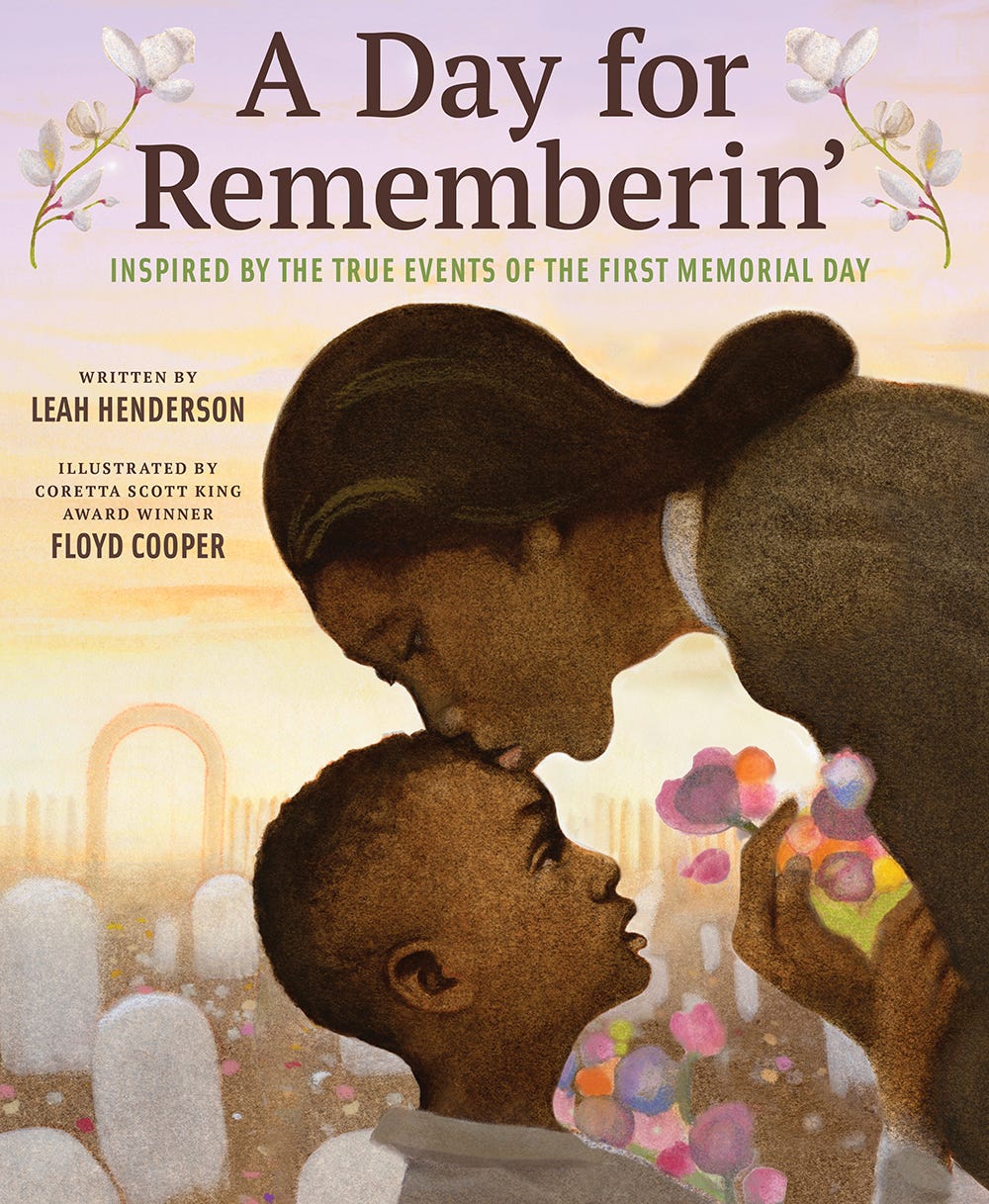
A Day for Rememberin’: Inspired by the True Events of the First Memorial Day
by Leah Henderson
(Holidays, Post-Civil War, 21st Colored Infantry, Timelines, South Carolina, 1860s)

Grace Banker and Her Hello Girls Answer the Call: The Heroic Story of WWI Telephone Operators
by Claudia Friddell; illustrated by Elizabeth Baddeley
(World War I, Signal Corps, Army’s Distinguished Service Medal recipient, Women in STEM, 1910s-1950s)

The Poppy Lady: Moina Belle Michael and Her Tribute to Veterans
by Barbara E. Walsh; illustrated by Layne Johnson
(Post-WWI, Memorial Day, Veterans Day, Veterans, 1910s)

Voices of Pearl Harbor
by Sherry Garland
Featured Title:
This is an incredibly thorough telling of the events of December 7, 1941. Pearl Harbor leapt off the pages as this book moved back and forth between American and Japanese perspectives, giving a fuller picture of the fear, devastation, and weight of that deadly day. I really appreciated the way it humanized both sides and showed just how far the effects of that one morning reached.
(Americans, Japanese, American Naval Fleet, Imperial Japanese Navy, Army Signal Corps, Admiral Kimmel, Vice-Admiral Chūichi Nagumo, Captain Mitsuo Fuchida, Kamikaze, USS Arizona, USS West Virginia, USS Oklahoma, Julio DeCastro, Pearl Harbor, Oahu, Hawaii, Nippon, Japan, 1940s)
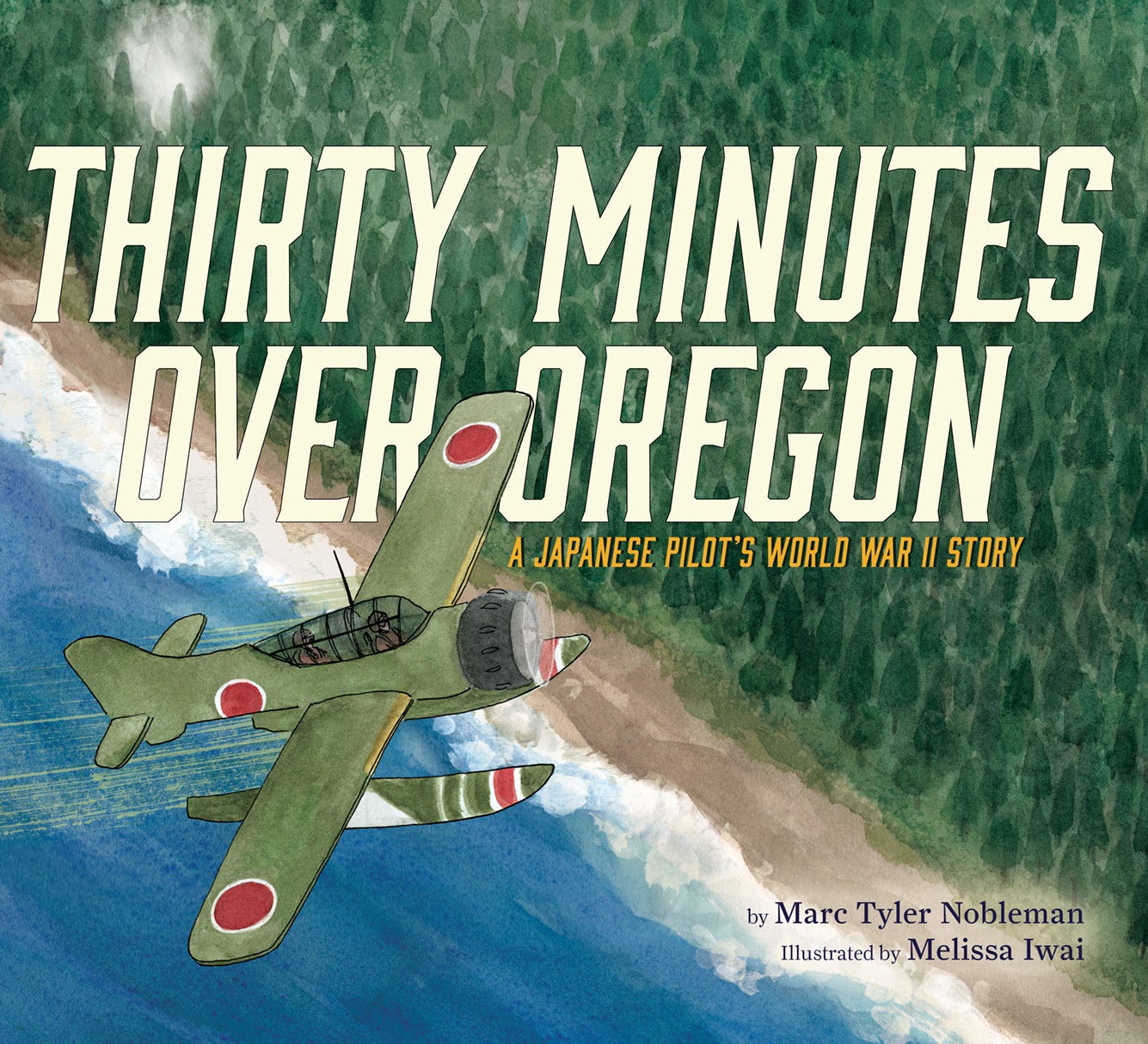
Thirty Minutes Over Oregon: A Japanese Pilot’s World War II Story – A Moving True Story
by Marc Tyler Nobleman
(World War II, Oregon, Reconciliation, 1940s)

Chester Nez and the Unbreakable Code: A Navajo Code Talker’s Story
by Joseph Bruchac; illustrated by Liz Amini-Holmes
(Navajo Nation, Code talkers, Boarding schools, PTSD, World War II, Prejudice and racism, 1920s-2010s)

Sergeant Reckless: The True Story of the Little Horse Who Became a Hero
by Patricia McCormick (Author), Iacopo Bruno
(US Marines, Korean War, US Military, Purple Hearts, 1950s)

Patrol: An American Soldier in Vietnam
by Walter Dean Myers; illustrated by Ann Grifalconi
(Vietnam War, Soldiers, Politics and Government, Fear, Philosophical questions, 1970s)

America is Under Attack: September 11, 2001, The Day the Towers Fell
by Don Brown
Featured Title: This profusely illustrated short book offers a sensitive and age-appropriate exploration of 9/11 for young readers. Its engaging visuals and brief narrative help explain the events with care and respect.
(September 11th Terrorist Attacks, The Pentagon, World Trade Center, Airplanes, Hijacking, Rescue operations, New York Fire Department, New York Police Department, New York City, 2000s)
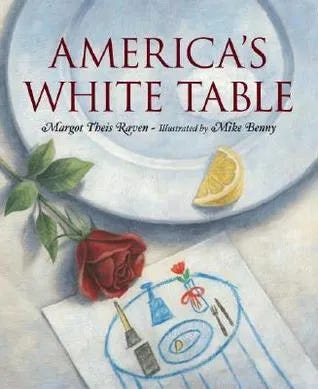
America's White Table
by Margot Theis Raven
(MIA/POWs, The White Table, Memorial Day, Veteran’s Day, American Military, Sacrifice, 2000s)
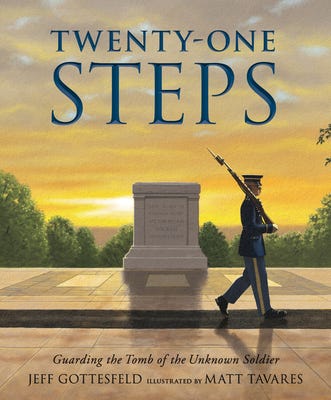
Twenty-one Steps: Guarding the Tomb of the Unknown Soldier
by Jeff Gottesfeld
(Tomb of the Unknown Soldier, American Military, 3rd U.S. Infantry Regiment “The Old Guard,” Keeping vigil, Arlington National Cemetery, Cemeteries)

Where Valor Rests: Arlington National Cemetery
by Rick Atkinson
(Photographs, Veterans, Cemeteries)
Seeking a More Perfect Union
The American story is, in many ways, the story of an imperfect nation striving toward its highest ideals. These books follow the people, movements, and moments that pushed the country toward greater justice, freedom, and equal protection under the law.
Foundations/Earliest fractures
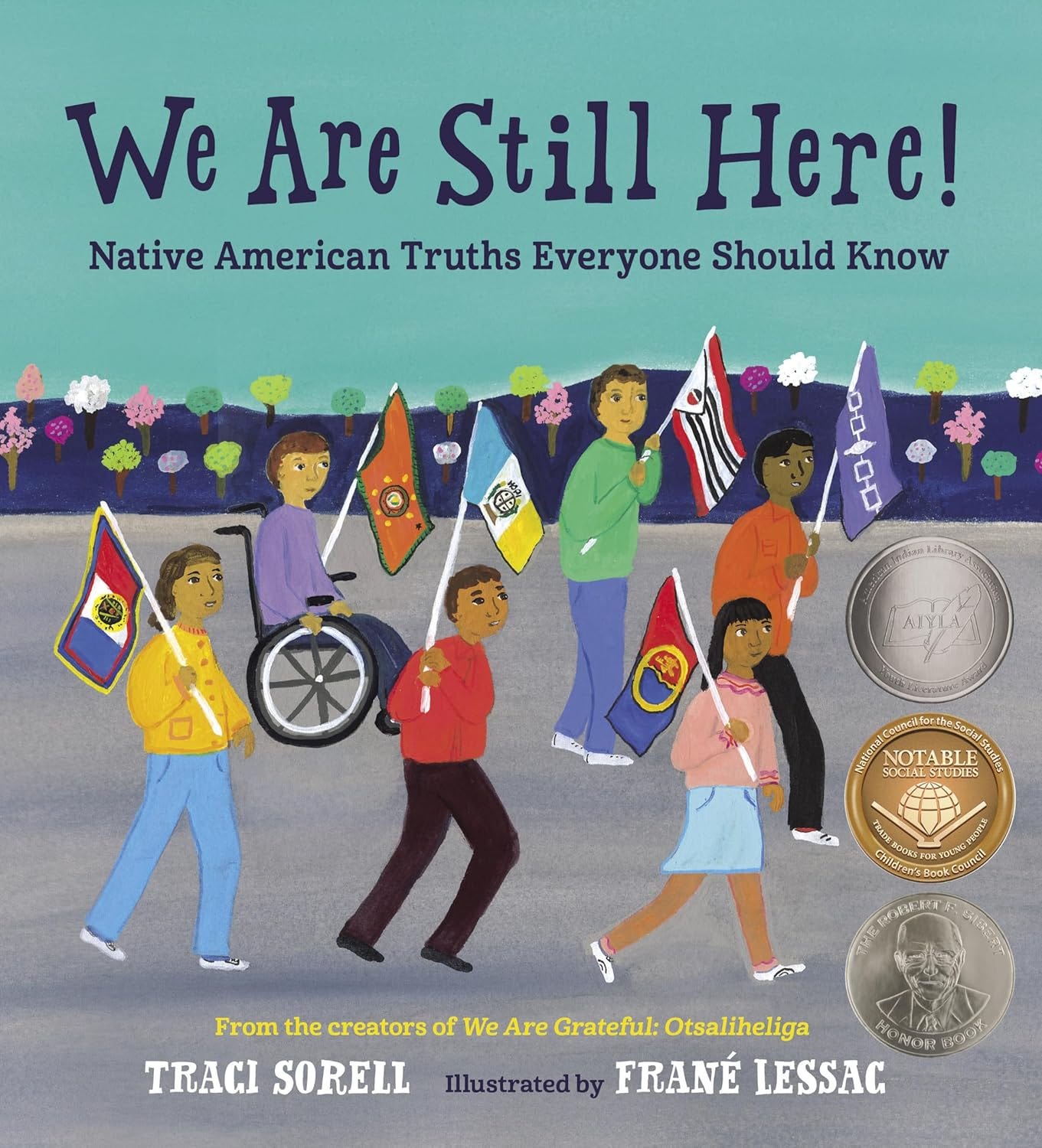
We Are Still Here!: Native American Truths Everyone Should Know
by Traci Sorell; illustrated by Frane Lessac
(Native American history, Assimilation, Allotment, Indian New Deal, Termination, Relocation, Tribal Activism, Self-Determination, Indian Child Welfare & Education, Religious Freedom, Economic Development, Language Revival, Sovereign Resurgence, Politics and Government, Laws and Legislature, Treatment of Indians, 1770s-2020s)

Brick by Brick
by Charles R. Smith Jr.; illustrated by Floyd Cooper
(The White House, Brick cutting, Brick Laying, Slavery, Freedom, Liberty, 1790s)
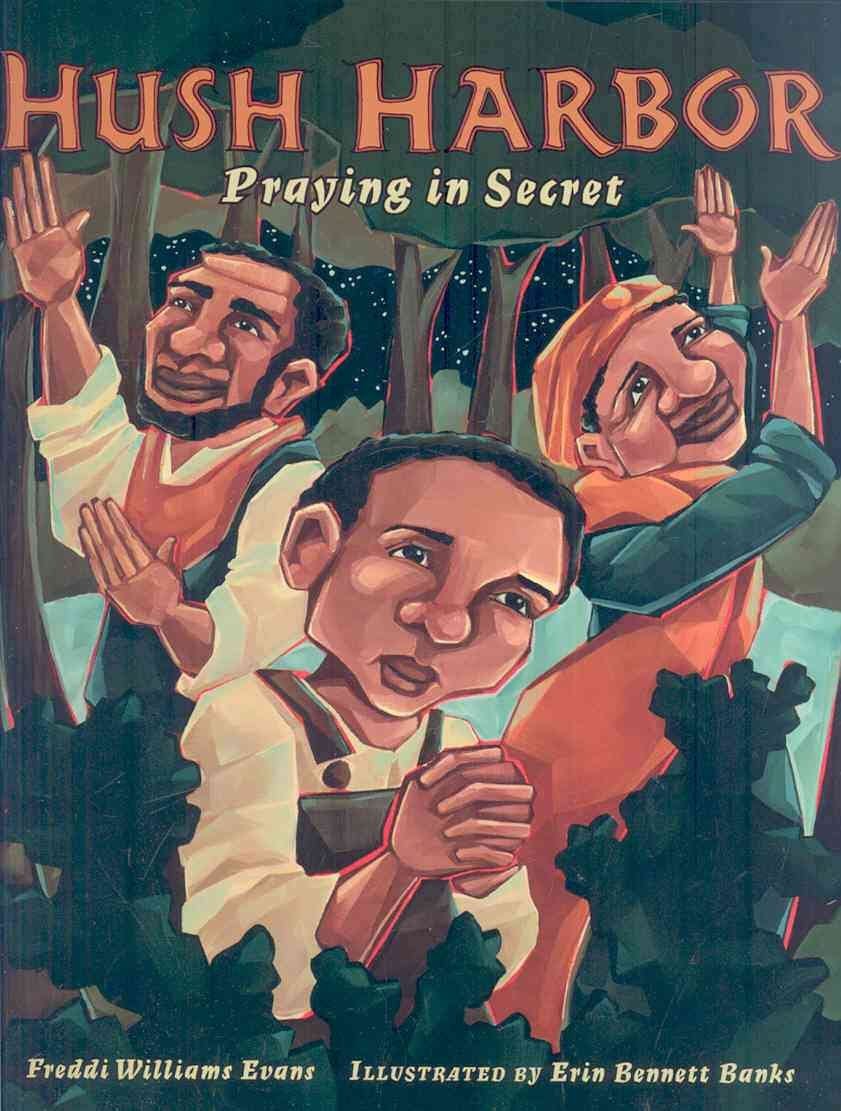
Hush Harbor: Praying in Secret
by Freddi Williams Evans; illustrated by Erin Bennett Banks
Featured title:
This book surprised me with its portrayal of the characters’ bold trust in Jesus to protect them from detection and capture as they gathered in the woods to worship freely despite the dangers they faced. It offers a glimpse into the hope-filled faith, perseverance, and rich worship that sustained many enslaved Black believers as they sought both spiritual freedom and, for some, freedom itself.
(African Americans, Slavery, Religious freedom, Runaway slaves, 1850s)
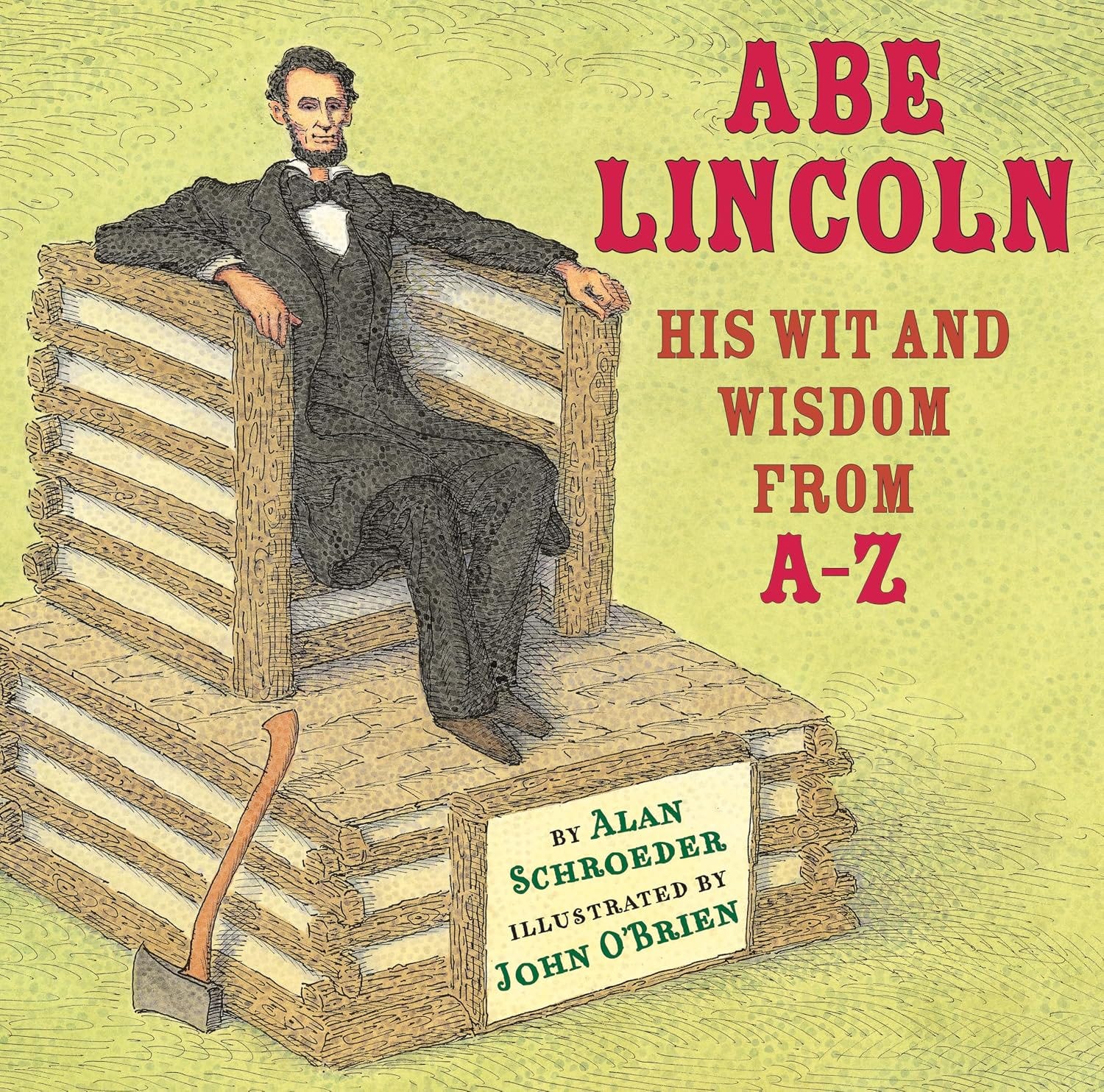
Abe Lincoln: His Wit and Wisdom from A-Z
by Alan Schroeder; illustrated by John O’Brien
(Thirteenth Amendment, Emancipation Proclamation, Black Hawk War, Civil War, Duels, Equality, Fort Sumter, Gettysburg Address, Homestead Act, Assassinations, Pacific Railway Act, Yosemite Valley Grant Act, Zouaves, Alphabet books, Pithy Quotes, 1800s-1860s)
Reconstruction/Suffrage/Reform
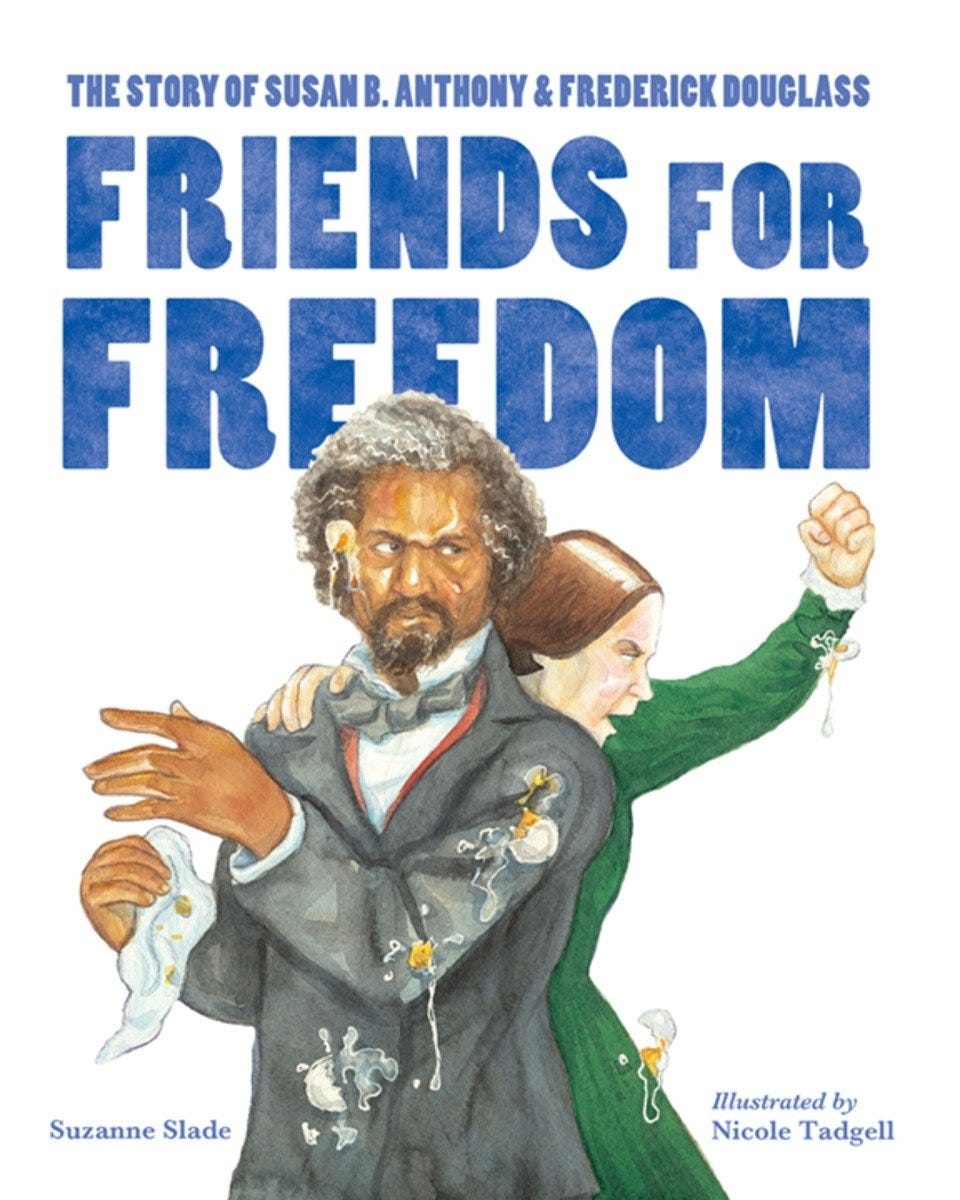
Friends for Freedom: The Story of Susan B. Anthony & Frederick Douglass by Suzanne Slade; illustrated by Nicole Tadgell
(Abolitionists, Women’s Rights, Suffragists, Social reformers, Constitutional Amendments, Politics and Government, Friendship, Prejudice and racism, 1840s-1890s)

Tillie the Terrible Swede: How One Woman, a Sewing Needle, and a Bicycle Changed History
by Sue Stauffacher; illustrated by Sarah McMenemy
Featured Title:
“Let me tell you what I think of bicycling,” said Susan B. Anthony. “It has done more to emancipate women than anything else in the world.”
I first came across this quote in an interview between Susan and Nellie Bly when I was editing an article for Nellie Bly: America’s Best Reporter, and I mulled over it for a long time. And then I started noticing women on bicycles popping up left and right in children’s books from the era, and it made my heart swell for the intrepid women who dared to try something new in the face of ridicule and resistance—paving a path of freedom for me and for my daughters. Tillie was one of those intrepid women.
(Swedish Americans, Bicyclists, Athletes, Women’s rights, Challenge of expected gender roles, 1885-1900s)

Ida B. Wells, Voice of Truth: Educator, Feminist, and Anti-Lynching Civil Rights Leader
by Michelle Duster; illustrated by Laura Freeman
(Investigative journalist, Jim Crow laws, Anti-lynching crusader, Civil Rights leader, Women’s rights, African American, Educator, Suffragist, Newspaper owner, 1860s-1930s)

Without Separation: Prejudice, Segregation, and the Case of Roberto Alvarez
by Larry Dane Brimner (Author), Maya Gonzalez
(Southern California, Segregation, Prejudice, Mexican Americans, Lemon Grove School District, Politics and Government, 1930s)
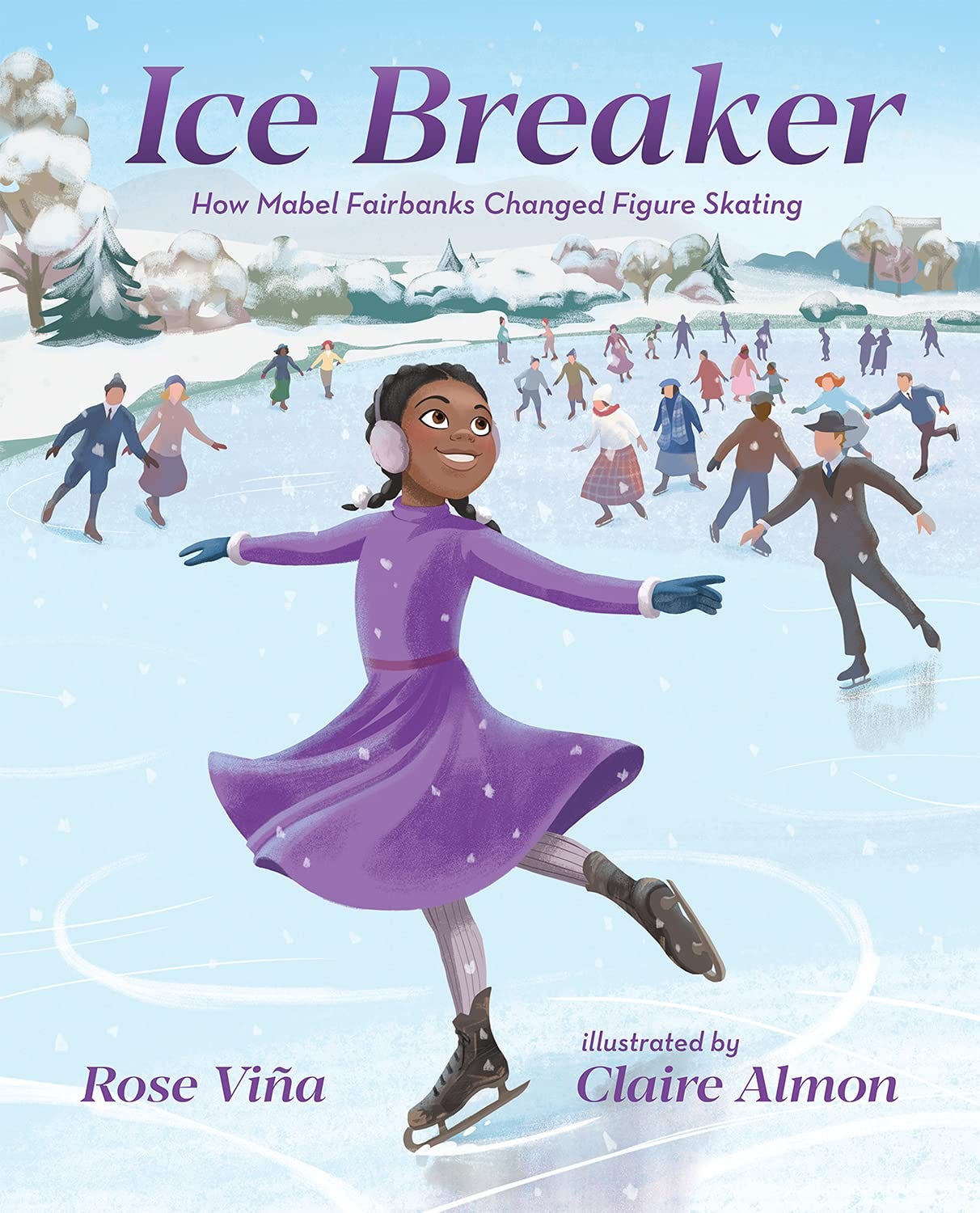
Ice Breaker: How Mabel Fairbanks Changed Figure Skating
by Rose Viña; Illustrated by Claire Almon
(U.S. figure skating, Segregation, Olympic dreams, Equal rights, Jim Crow Era, Biography, 1930s-2000s)

It Began with a Page: How Gyo Fujikawa Drew the Way: The Biography of a Groundbreaking Japanese American Artist for Kids
by Kyo Maclear; illustrated by Julie Morstad
(Artists, Illustrators, Authors, Japanese Americans, World War II, Prejudice and racism, Positive race relations, 1910s-1990s)
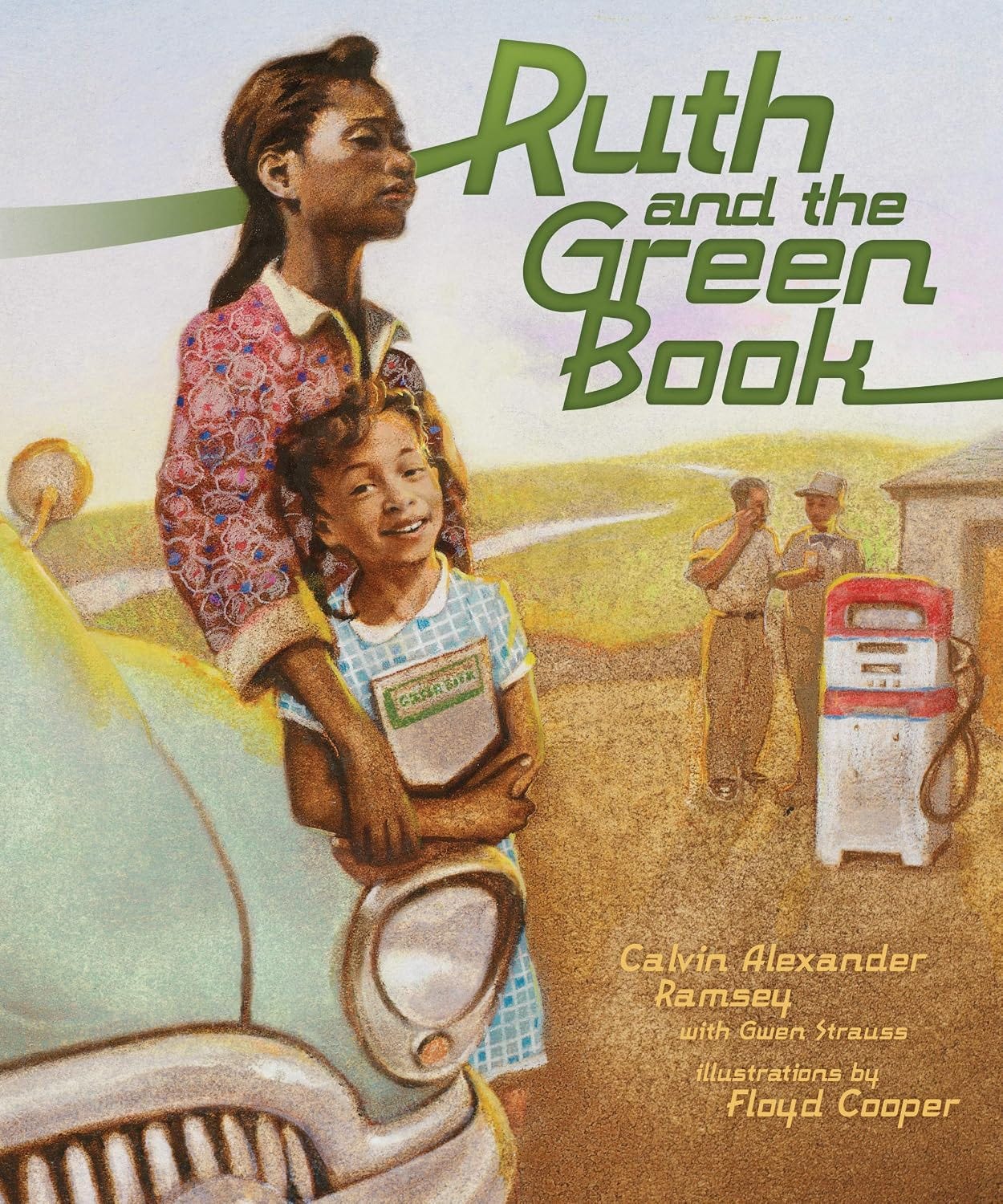
Ruth and the Green Book
by Calvin Alexander Ramsey, Gwen Strauss; illustrated by Floyd Cooper
(Jim Crow laws, The Green Book, Prejudice and racism, Travel, 1950s)

The Other Side
by Jacqueline Woodson; illustrated by E. B. Lewis
(Race relations, Jim Crow laws, Friendship, 1950s)

Boycott Blues: How Rosa Parks Inspired a Nation
by Andrea Davis Pinkney; illustrated by Brian Pinkney
Montgomery Bus Boycott, Rosa Parks, Martin Luther King Jr., Civil rights demonstrations, Supreme Court cases, Race relations, Jim Crow laws, 1950s)

A Time to Act: John F. Kennedy’s Big Speech
by Shana Corey; illustrated by R. Gregory Christie
(American Presidents, Cold War, Civil Rights Act of 1964, Peace Corps, Space Race, Jackie Robinson, Martin Luther King Jr., March on Washington, Civil rights demonstrations, Courage, Prejudice and racism, Politics and Government, Cultural icons, 1950s-1960s)
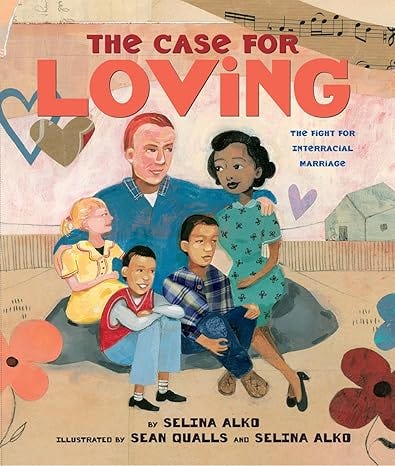
The Case for Loving: The Fight for Interracial Marriage
by Selina Alko; illustrated by Sean Qualls
(Racial Integrity Act, Interracial marriage laws, Supreme Court cases, Politics and Government, Prejudice and racism, Law and Legislation, Virginia, 1960s)

Memphis, Martin, and the Mountaintop: The Sanitation Strike of 1968
by Alice Faye Duncan; illustrated by R. Gregory Christie
(Civil rights demonstrations, Martin Luther King Jr., Sanitation Strikes, Boycotts, Non-violent protests, Tennessee, 1960s)

The Cart That Carried Martin
by Eve Bunting; illustrated by Don Tate
(Martin Luther King Jr, Civil Rights Movement, Assassinations, Funerals, Politics and Government, 1960s)
Expanding Rights

Fall Down Seven Times, Stand Up Eight: Patsy Takemoto Mink and the Fight for Title IX – The Inspiring Biography of an Unsung Hero Who Championed Equality and Fairness
by Jen Bryant; illustrated by Toshiki Nakamura
(Hawaii Territory, Hawaii statehood, Japanese Americans, Bombing of Pearl Harbor, Congresswomen, Lawyers, Title IX, Civil Rights, Equality, Prejudice and racism, Segregation, Democratic National Convention, Law and Legislation, Challenge of expected gender roles, Maui, Hawaii, 1920s-2000s)

Fighting for YES!: The Story of Disability Rights Activist Judith Heumann
by Maryann Cocca-Leffler; illustrated by Vivien Mildenberger
(Rehabilitation Act Section 504, Sit-ins, Peaceful protests, Prejudice and racism, Wheelchair accessibility, Civil rights, Law and Legislation, Lobbying, Advocacts, Disabled in Action, Department of Health Education and Wellness (HEW), Social reformers, 1950s-1970s)

Ruth Bader Ginsburg: The Case of R.B.G. vs. Inequality
by Jonah winter; illustrated by Stacy Innerst
(Supreme Court Justices, Lawyers, Anti-Semitism, Prejudice and racism, Gender discrimination, Women’s rights, Challenge of expected gender roles, Supportive marriages, Law and Legislation, 1930s-2010s)
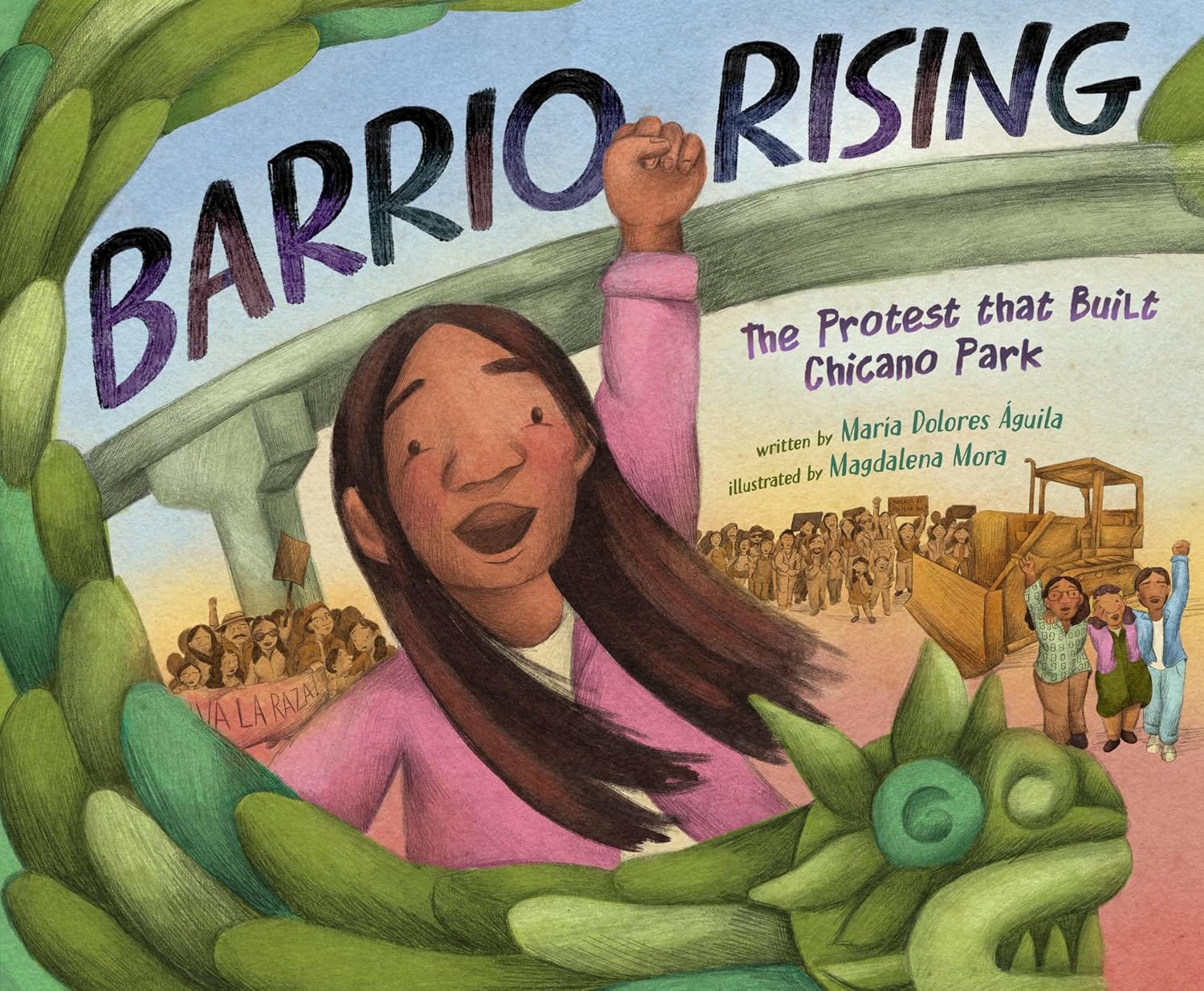
Barrio Rising: The Protest that Built Chicano Park by María Dolores Águila; illustrated by Magdalena Mora
(Barrio Logan, Community activism, Public parks, Mexican Americans, Politics and Government, San Diego, California, 1970s)

The Power of Her Pen: The Story of Groundbreaking Journalist Ethel L. Payne
by Lesa Cline-Ransome; illustrated by John Parra
(African American, Civil rights, War correspondent, White House reporter, Journalist, Politics and Government, Challenge of expected gender roles, 1910s-1990s)
Modern/Ongoing
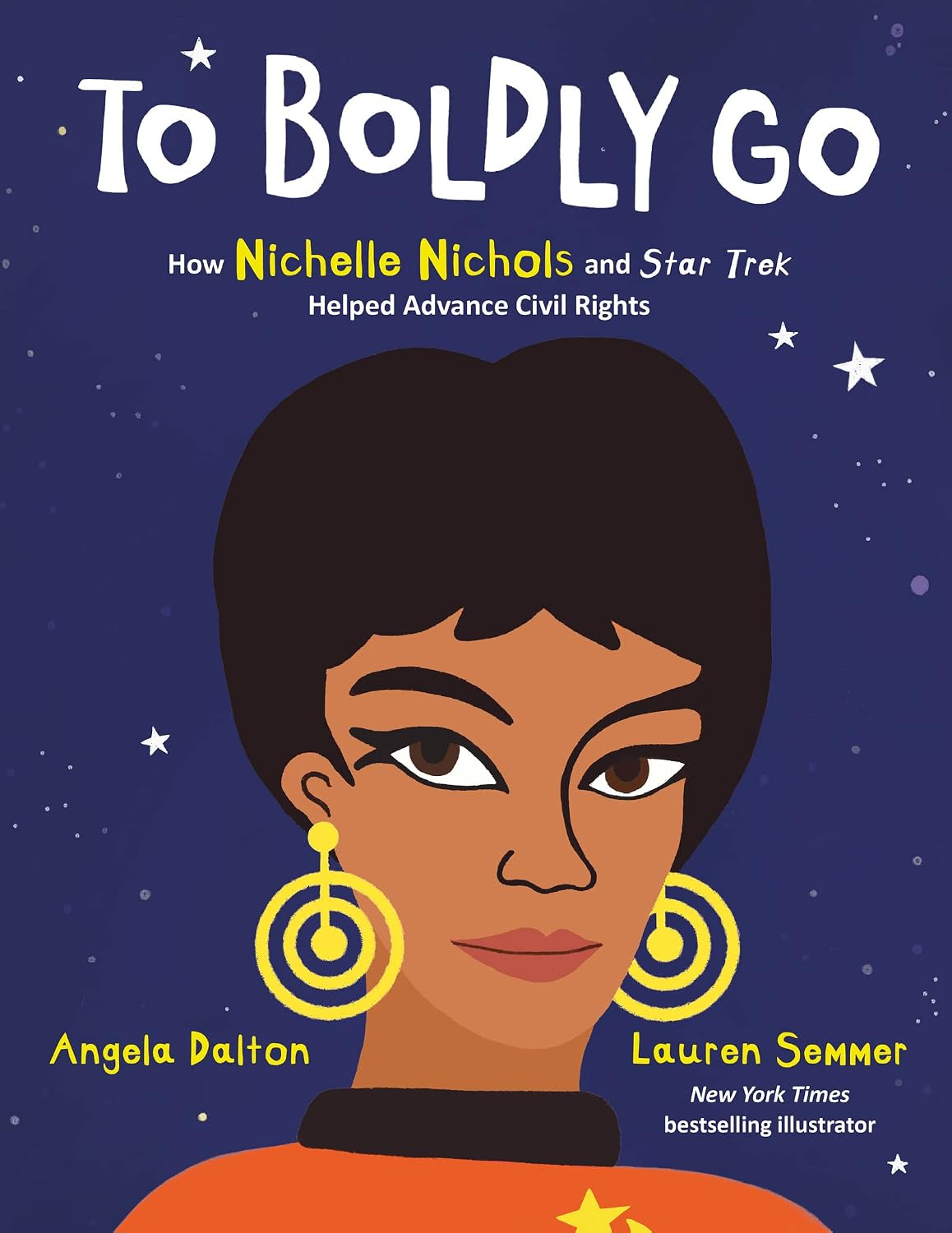
To Boldly Go: How Nichelle Nichols and Star Trek Helped Advance Civil Rights: An Empowering True Story About the Black Woman Who Changed Space for Kids
by Angela Dalton; illustrated by Lauren Semmer
(Actresses, Singers, Dancers, Cultural icons, Civil rights, Prejudice and racism, Television, Aeronautics and space, Trailblazers, Women in STEM, 1930s-2020s)
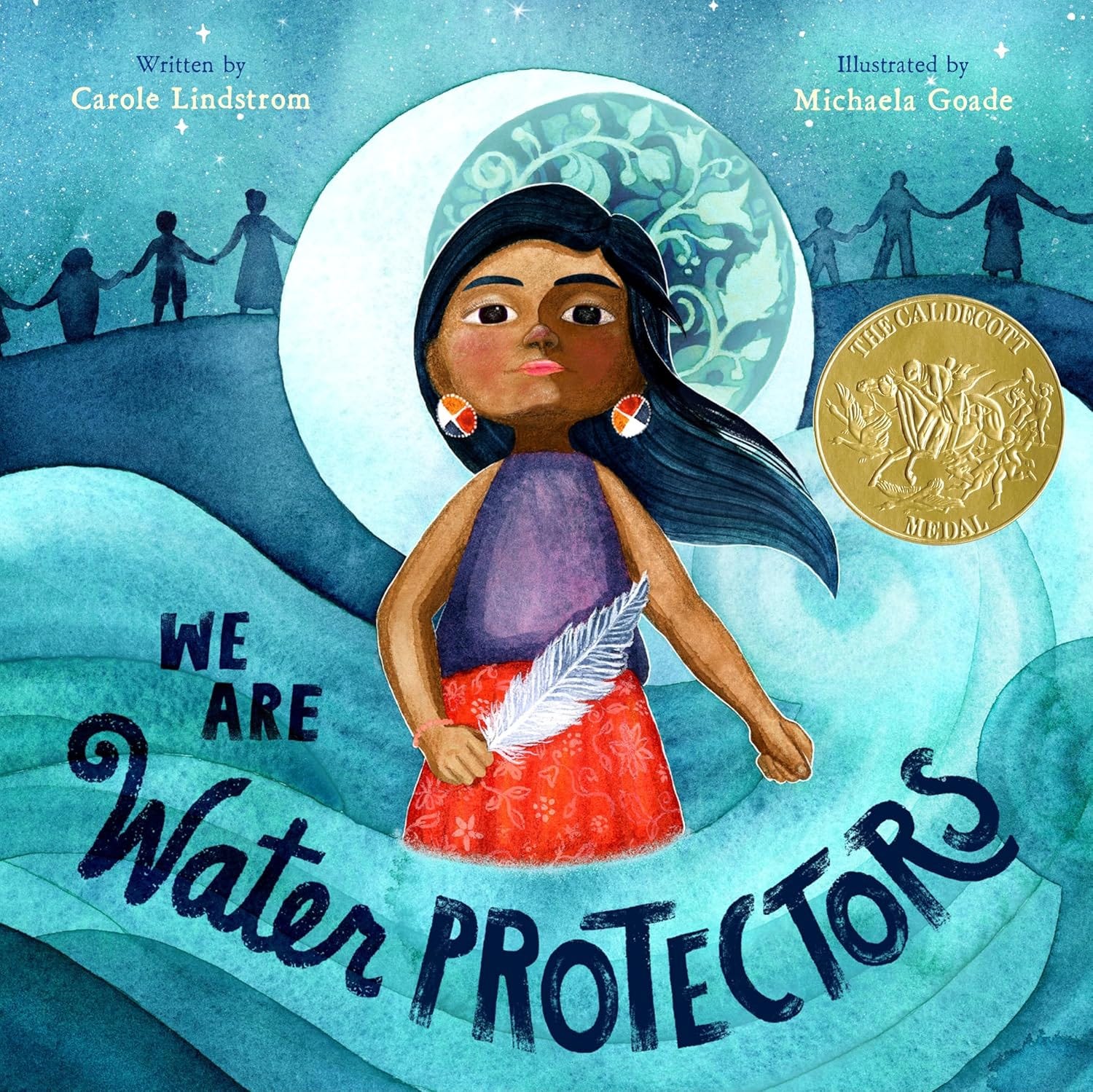
We Are Water Protectors
by Carole Lindstrom; illustrated by Michaela Goade
(Native Americans, Dakota Access Pipeline Protests, Standing Rock Protests, Water conservation, Regional stories, Politics and Government, 2010s)

Smoky Night
by Eve Bunting (Author), David Diaz
(LA Riots, Community resilience, City life, 1990s)

The Talk
by Alicia D. Williams; illustrated by Briana Mukodiri Uchendu
(Being black in America, African Americans, Growing up, Safety, Prejudice and racism, Family love, Friendship, 2020s)
Anthology

Remember the Ladies: 100 Great American Women
by Cheryl Harness
Featured Title:
Regardless of whether you agree with their life choices or appreciate all of their contributions to the American landscape, there’s no denying these women are of deep historical and cultural significance. Cheryl did an amazing job narrowing this list down to 100—and having had to cut this booklist down myself through tears, I can only imagine how difficult that must have been. This is a beautifully curated and illustrated tribute to some of the many women who helped shape the American story.
(Virginia Dare, Pocahontas, Priscilla Mullins Alden, Anne Dudley Bradstreet, Phillis Wheatley, Mercy Otis Warren, Abigail Adams, Betsy Ross, Sybil Ludington, Margaret Corbin, Deborah Sampson, Sacagawea, Mother Ann Lee, Emma Hart Willard, Dolley Madison, Sarah Grimké, Abigail Scott Duniway, Elizabeth Cady Stanton, Lucretia Mott, Amelia Bloomer, Elizabeth Blackwell, Susan B. Anthony, Harriet Tubman, Sarah Emma Edmonds, Belle Boyd, Clara Barton, Victoria Woodhull, Louisa May Alcott, Sarah Winnemucca, Sarah J. B. Hale, Emily Dickinson, Annie Oakley, Calamity Jane, Nellie Bly, Belva Lockwood, Mary Cassatt, Lucy Stone, Carry Nation, Helen Keller, Jane Addams, Mary Harris Jones, Harriet Quimby, Isadora Duncan, Madam C. J. Walker, Mary Pickford, Juliette Gordon Low, Margaret Sanger)
We the People
A nation is shaped not only by its history, but by the systems that govern it. These books explore the founding documents, laws, institutions, and civic responsibilities that help America function, offering readers a clearer understanding of how the country works.
Founding Documents / Symbols
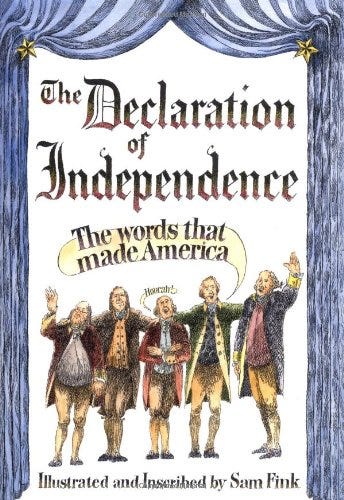
The Declaration of Independence
Illustrated and Inscribed by Sam Fink
(American Declaration of Independence, Politics and Government, Primary source material, 1770s)
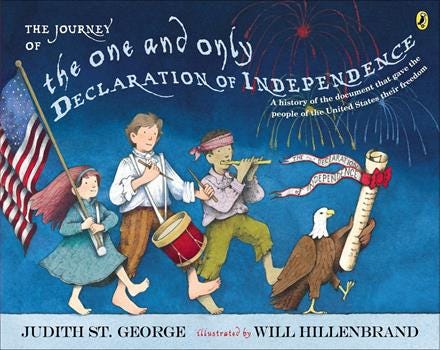
The Journey of the One and Only Declaration of Independence
by Judith St. George
(American Revolution, Politics and Government, 4th of July, 1770s)
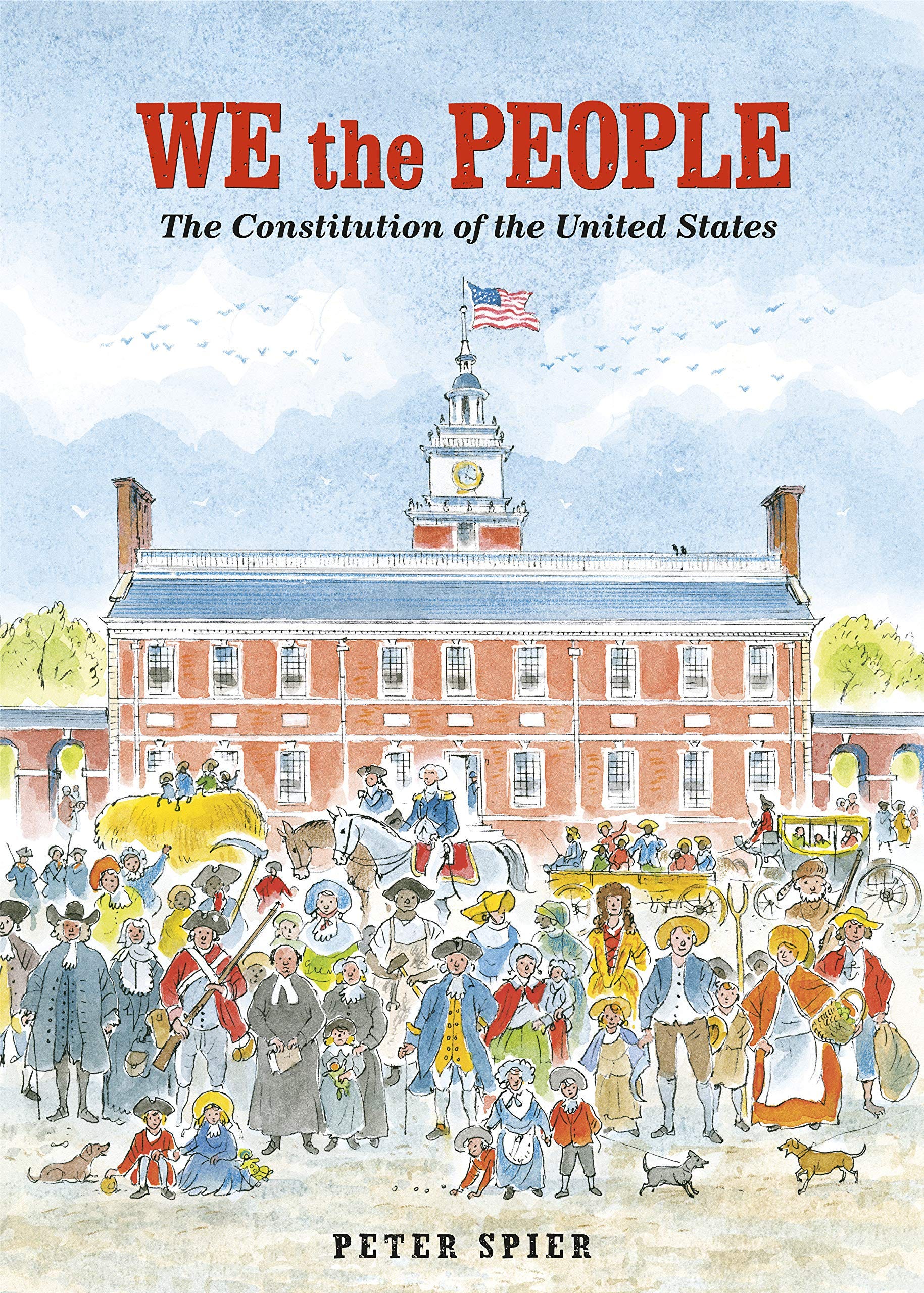
We the People: The Constitution of the United States
by Peter Spier
(American Constitution, Politics and Government, Primary Source Documents, 1770s)
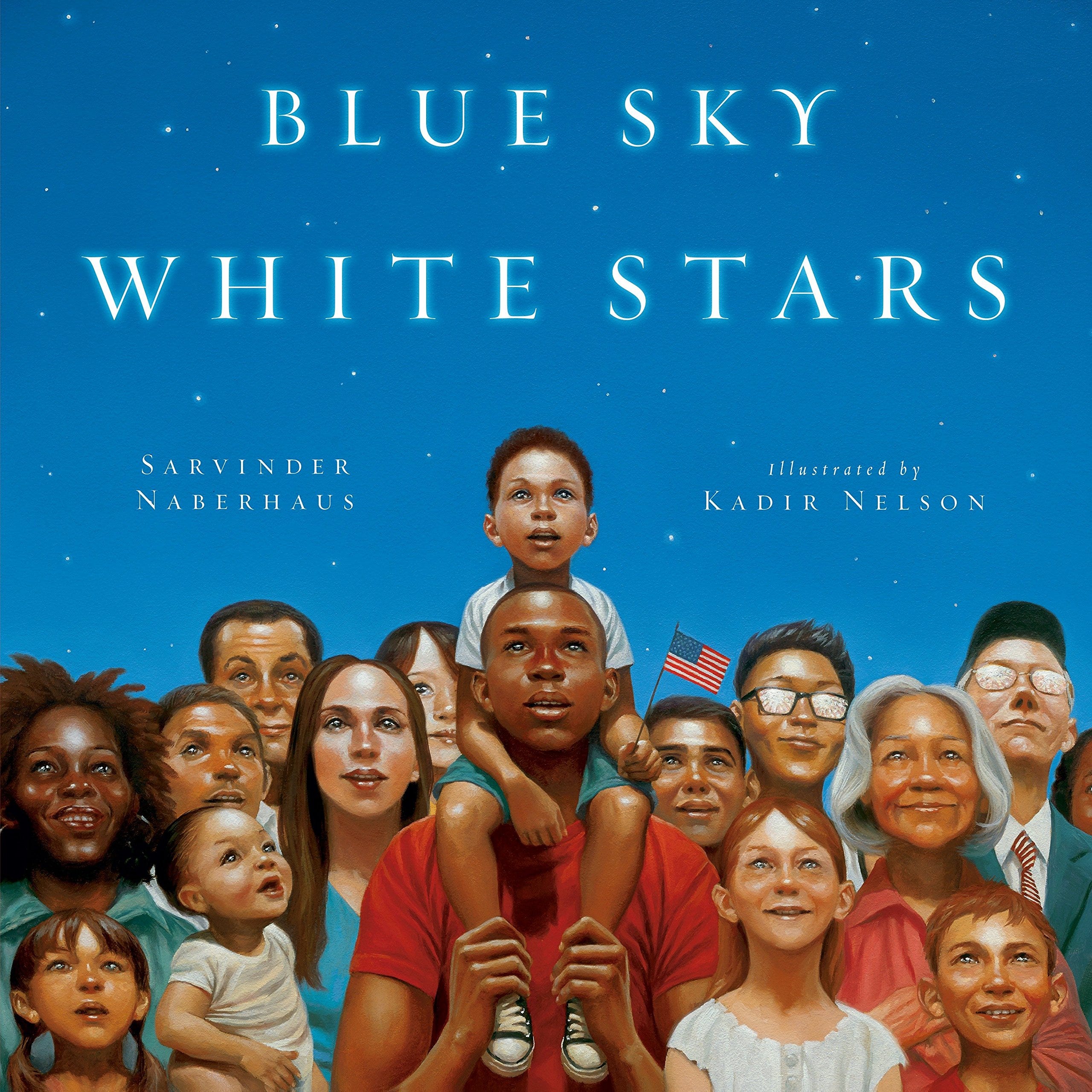
Blue Sky White Stars
by Sarvinder Naberhaus; illustrated by Kadir Nelson
(Americana, American history, American scenery, Wordplay, 2010s)
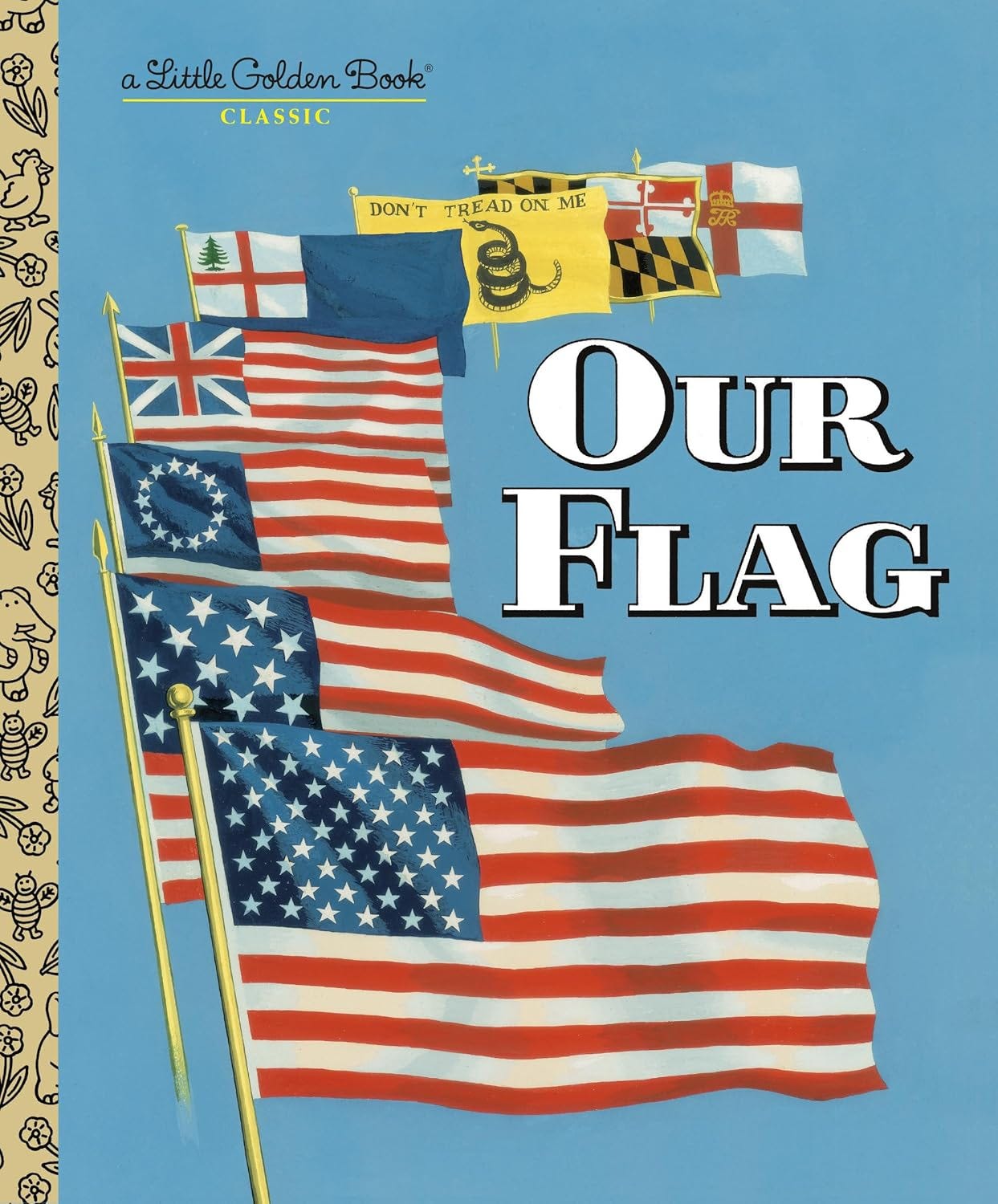
Our Flag
by Carl Memling; illustrated by Stephen Cook
(American Flags, Iwo Jima, Politics and Government)

Giving Thanks: How Thanksgiving Became a National Holiday
by Denise Kiernan; illustrated by Jamey Christoph
(Sarah Hale, Thanksgiving Day, National holidays, Civil War, Abraham Lincoln, Gratitude, 1860s)
Systems / Function

The Voice of the People: American Democracy in Action
by Betsy Maestro; illustrated by Giulio Maestro
Featured Title:
This is a fantastic overview of the American government and how its systems and processes work together. If I could only have one picture book on my shelves to cover these topics, this would be it. It’s impressively thorough and an excellent foundation for understanding how our country functions.
(Democracy, Systems of Government, Branches of Government, Voting, Elections, Politics and Government, Constitution, Laws and Legislature, Congress, Supreme Court, American Presidents, National Conventions, Primaries, Polling, 26th Amendment, Topical Overview)
Citizenship / Law / Voting

I Am an American: The Wong Kim Ark Story
by Martha Brockenbrough and Grace Lin; illustrated by Julia Kuo
(Chinese Americans, The Fourteenth Amendment, United States v. Wong Kim Ark, Supreme Court cases, Citizenship, San Francisco, California, Politics and Government, 1890s-1900s)

The Voice That Won the Vote: How One Woman’s Words Made History
by Elisa Boxer, illustrated by Vivien Mildenberger
(Nineteenth Amendment, Tennessee legislature, Febb Burn, Harry Burn, Women’s rights, Voting, Lawmaking, Law and Legislation, Women’s suffrage, Mothers and sons, 1920s)

The Only Woman in the Photo: Frances Perkins & Her New Deal for America
by Kathleen Krull; illustrated Alexandra Bye
(New Deal, Great Depression, First Female Secretary of Labor, Politics and Government, American Presidents, Franklin D. Roosevelt, Cabinet officers, Social reformers, 1930s)
Law / Equality / Civic Participation

The United States v. Jackie Robinson
by Sudipta Bardhan-Quallen; illustrated by R. Gregory Christie
(World War II, Segregation, Jim Crow Laws, Court-martials, Supreme Court cases, United States Army, Soldiers, Military Police, Military history, Prejudice and racism, Baseball players, Cultural icons, African Americans, Law and Legislation, Fort Hood, Texas, 1940s)

Call Me Miss Hamilton: One Woman’s Case for Equality and Respect
by Carole Boston Weatherford; illustrated by Jeffery Boston Weatherford
(Law and Legislation, African Americans, Civil rights workers, Race discrimination, Contempt of court, Arrests, Equality before the law, 1930s-2000s)

Teaching for Change: How Septima Clark Led the Civil Rights Movement to Voting Justice
by Yvonne Clark-Rhines & Monica Clark-Robinson; illustrated by Abigail Albano-Payton
(Mother of the Civil Rights Movement, African American educators, Citizenship Schools, Literacy, Empowering of Black communities, Right to vote, Martin Luther King Jr., Prejudice and racism, Ageism, Jim Crow laws, 1890s-1980s)
Supreme Court / citizenship lived
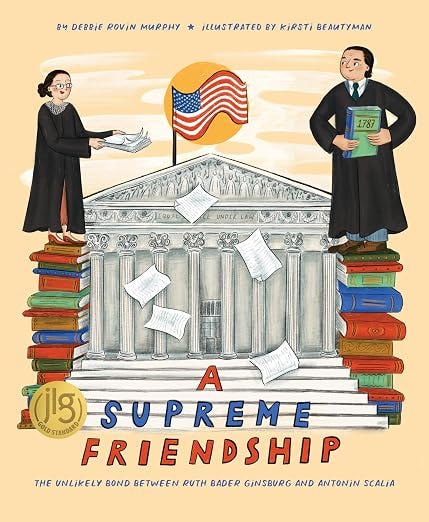
A Supreme Friendship: The Unlikely Bond Between Ruth Bader Ginsburg and Antonin Scalia
by Debbie Rovin Murphy; illustrated by Kirsti Beautyman
Featured Title:
I was so pleasantly surprised by this picture book on the friendship of two Supreme Court justices who often disagreed professionally, yet worked together in a healthy and respectful way and maintained a close personal friendship despite their public differences. I love seeing such a healthy example of the idea that disagreement doesn’t have to mean disrespect.
(Friendship, Living Constitutionalism, Originalism, Professionalism, Respect, Supreme Court, Judges, Politics and Government, Law and Legislation, 1980s-2020s)
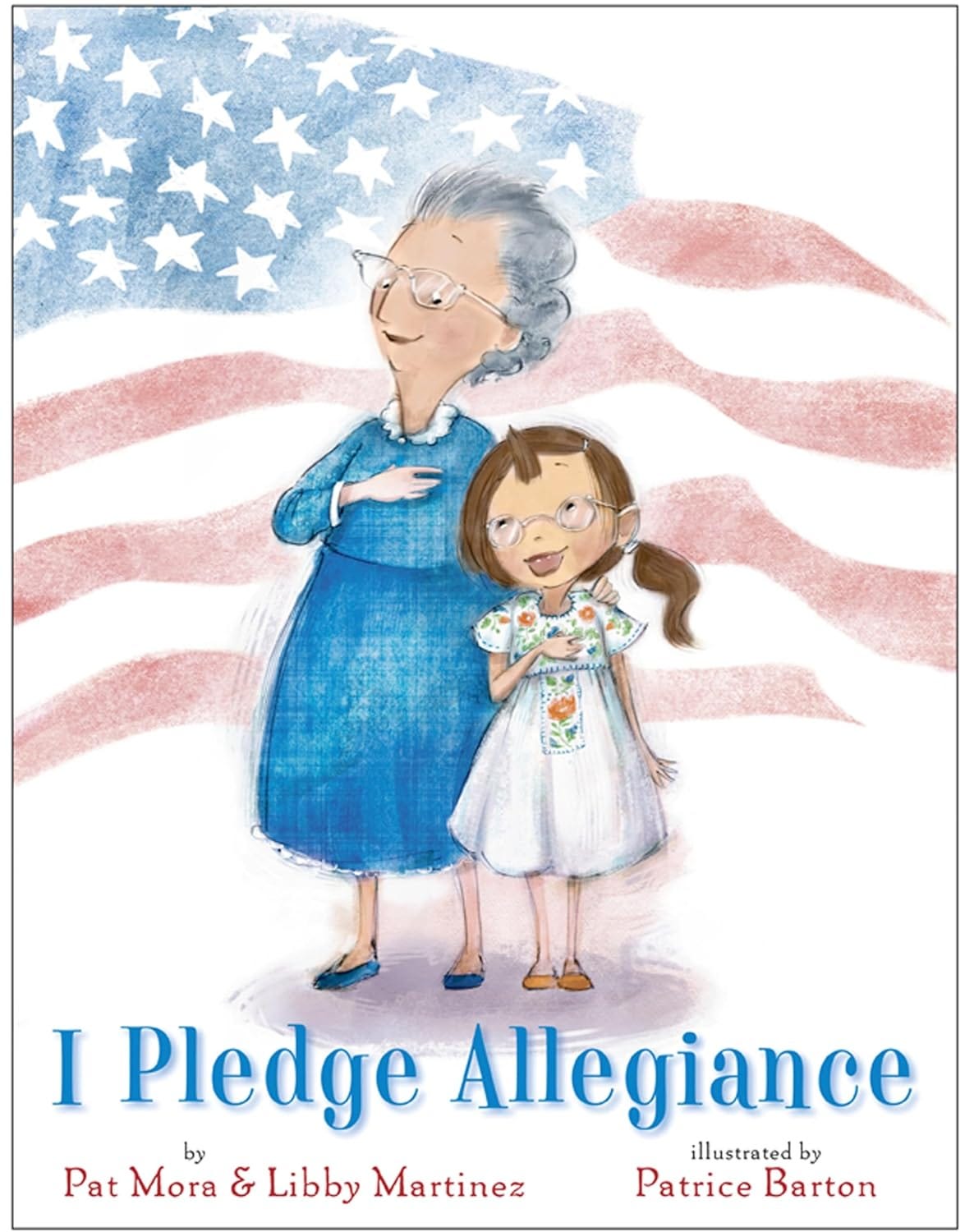
I Pledge Allegiance
by Pat Mora
(Pledge of Allegiance, Citizenship, Politics and Government, Mexican Americans, Naturalization, 2010s)
American Dreams
Roots and Family

Dear Yesteryear
by Kimberly Annece Henderson; Lettered by Ciara LeRoy
(Archival photographs, Turn of the century, Everyday African Americans in the 1800s-1900s)

A Band of Angels: A Story Inspired By The Jubilee Singers
by Deborah Hopkinson; illustrated by Raul Colon
(Jubilee Singers, African Americans, African American spirituals, Choirs, Prejudice and racism, Family history, Reconstruction Era, Nashville, Tennessee, 1860s-1870s)
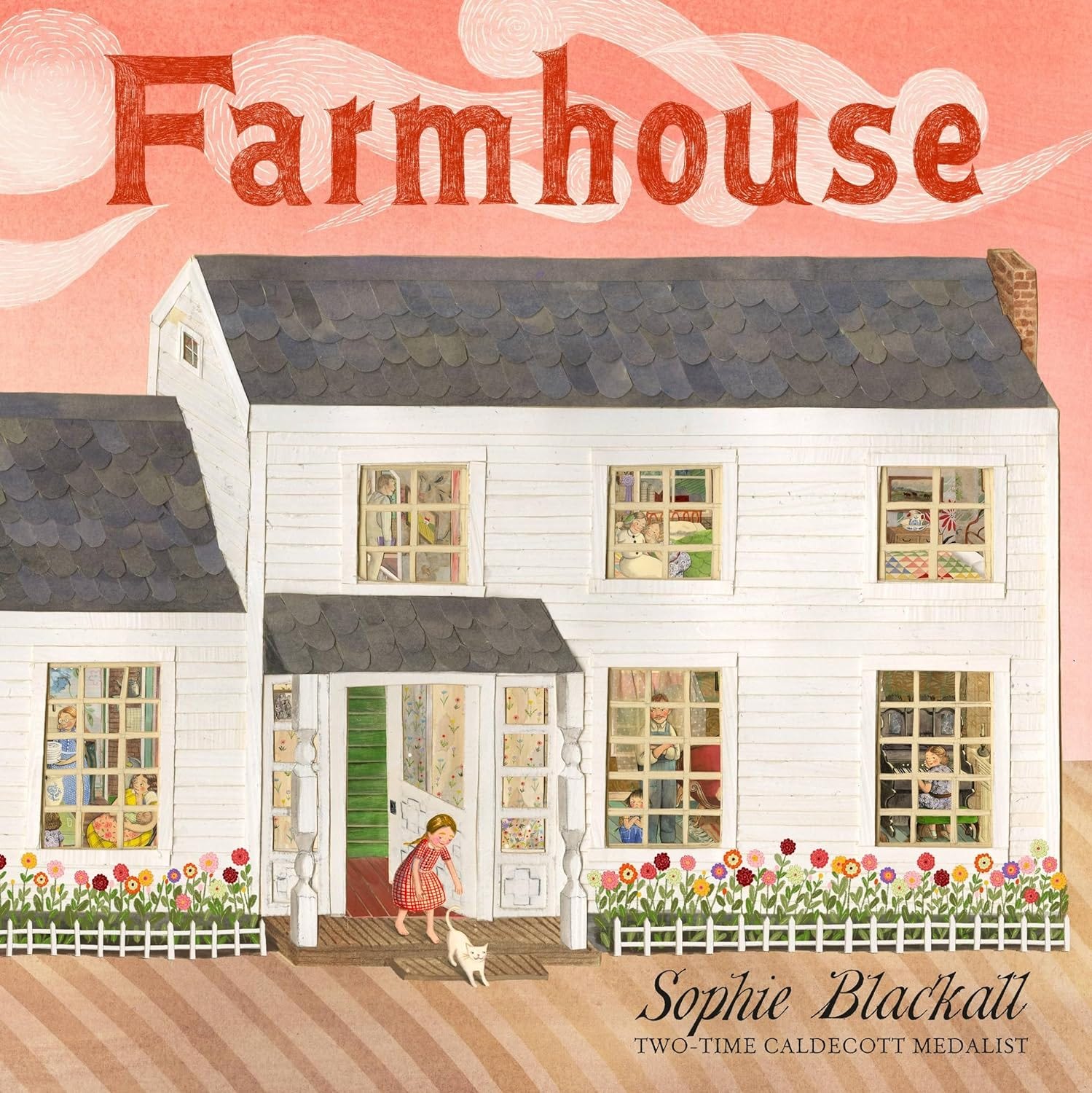
Farmhouse
by Sophie Blackhall
(Generational story, Farm life, Family life, 1900s)

The Interpreter
by Olivia Abtahi (Author), Monica Arnaldo
(Multilingual families, Multicultural families, Immigrants, 2020s)
Places We Call Home
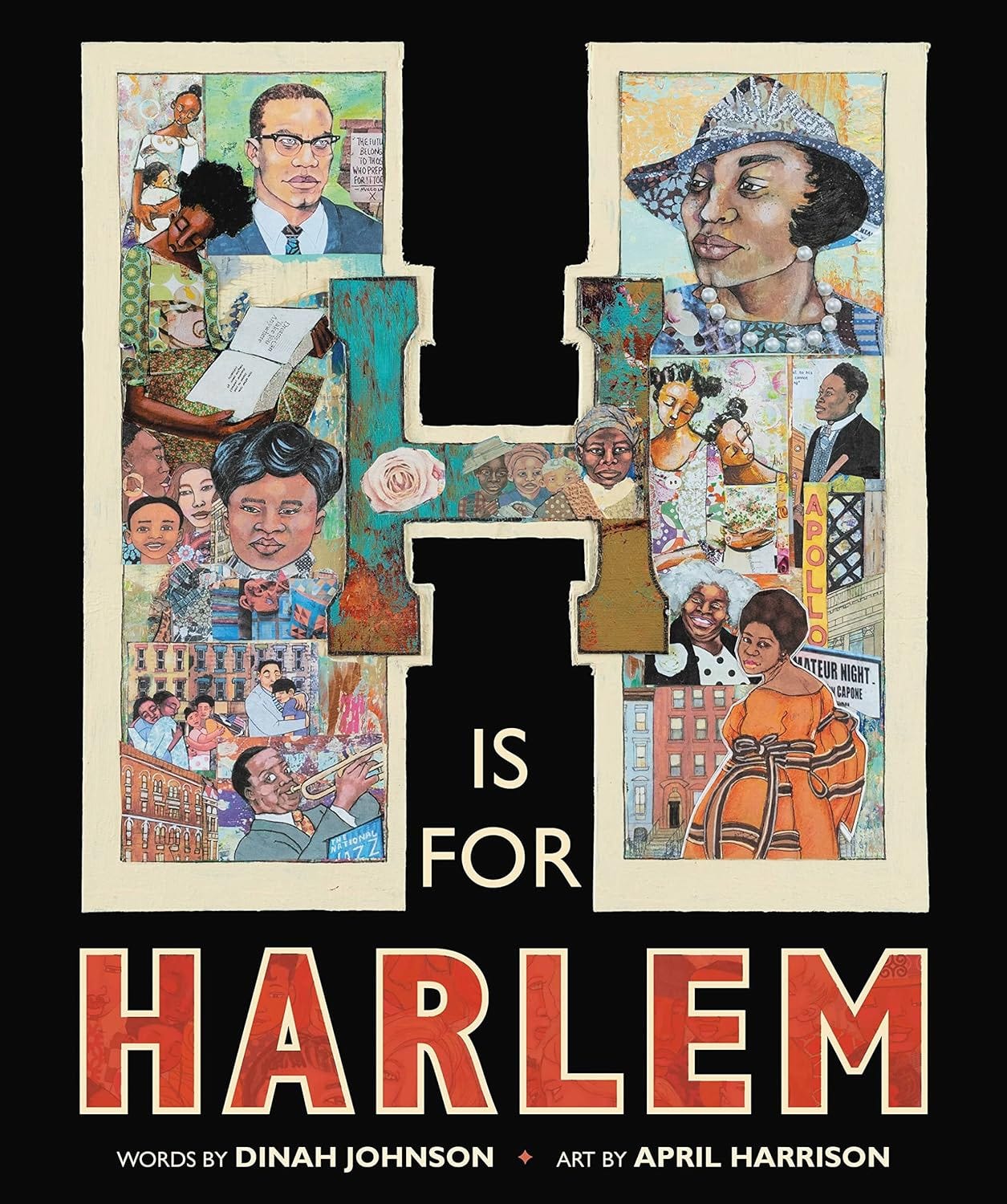
H Is for Harlem
by Dinah Johnson; illustrated by April Harrison
(African Americans, New York history, Black joy, 1600s-present)

When I Was Young in the Mountains
by Cynthia Rylant; illustrated by Diane Goode
(Autobiographical, Mountain life, Coal mining community, 1900s)

Down Buttermilk Lane
by Barbara Mitchell and John Sandford
(Amish family life, Autumn, Pennsylvania, 1990s)
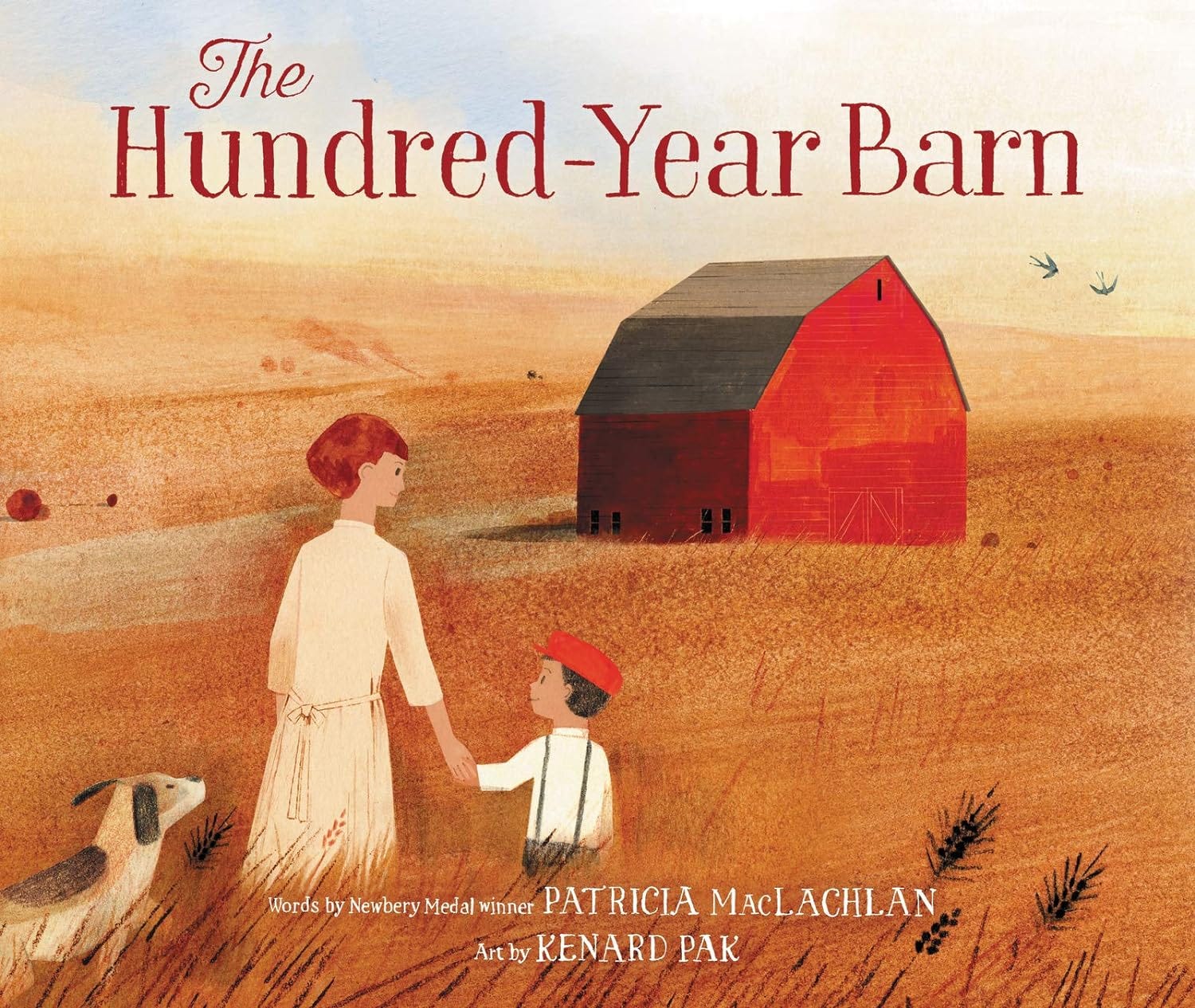
The Hundred-Year Barn
by Patricia MacLachlan and Kenard Pak
(Community life, Midwestern United States, Generational story, 1910s-2010s)
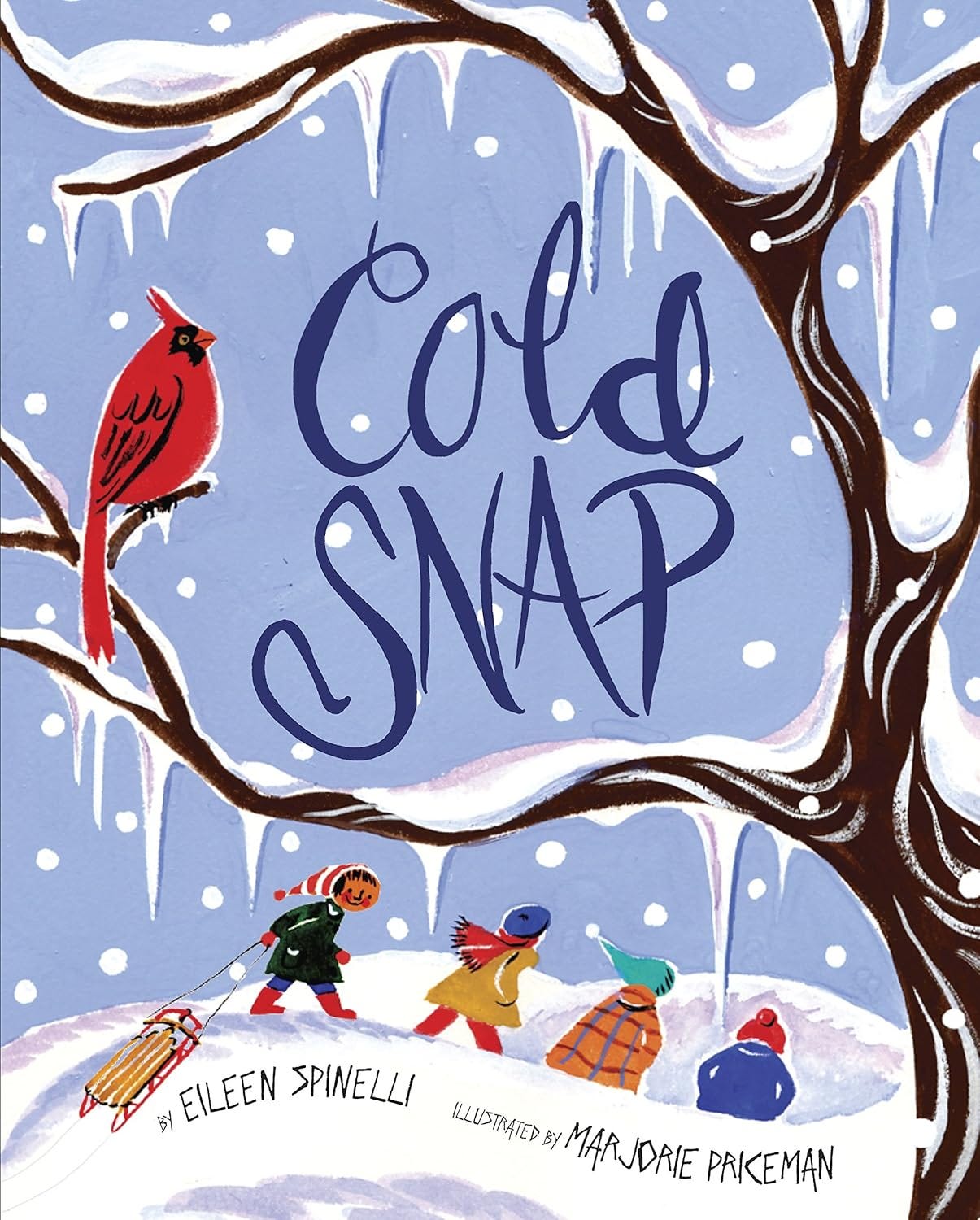
Cold Snap
by Eileen Spinelli
(Winter, Community life, 2010s)

Roxaboxen
by Alice McLerran and Barbara Cooney
(The magic of childhood, 1990s)
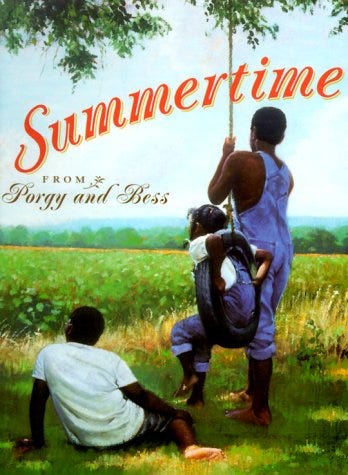
Summertime: From Porgy and Bess
by DuBose Heyward
(Porgy and Bess’ “Summertime”, The Great Depression, 1930s)
Finding a Place/Finding a Voice

A Girl Named Rosita: The Story of Rita Moreno: Actor, Singer, Dancer, Trailblazer! by Anika Aldamuy Denise; illustrated by Leo Espinosa
(Performers, Oscar winners, Grammy winners, Emmy winners, Tony winners, EGOT winners, Hollywood, West Side Story, Puerto Rican Americans, 1930s-2020s)

Ode to Grapefruit: How James Earl Jones Found His Voice by Kari Lavelle; illustrated by Bryan Collier
(Speech disorder, African Americans, Poetry, Actors, Performers, Cultural icons, Boyhood, 1930s-1940s)

Miss Moore Thought Otherwise: How Anne Carroll Moore Created Libraries for Children
by Jan Pinborough; illustrated by Debby Atwell
(Librarians, New York City, Advocates, 1870s-1960s)
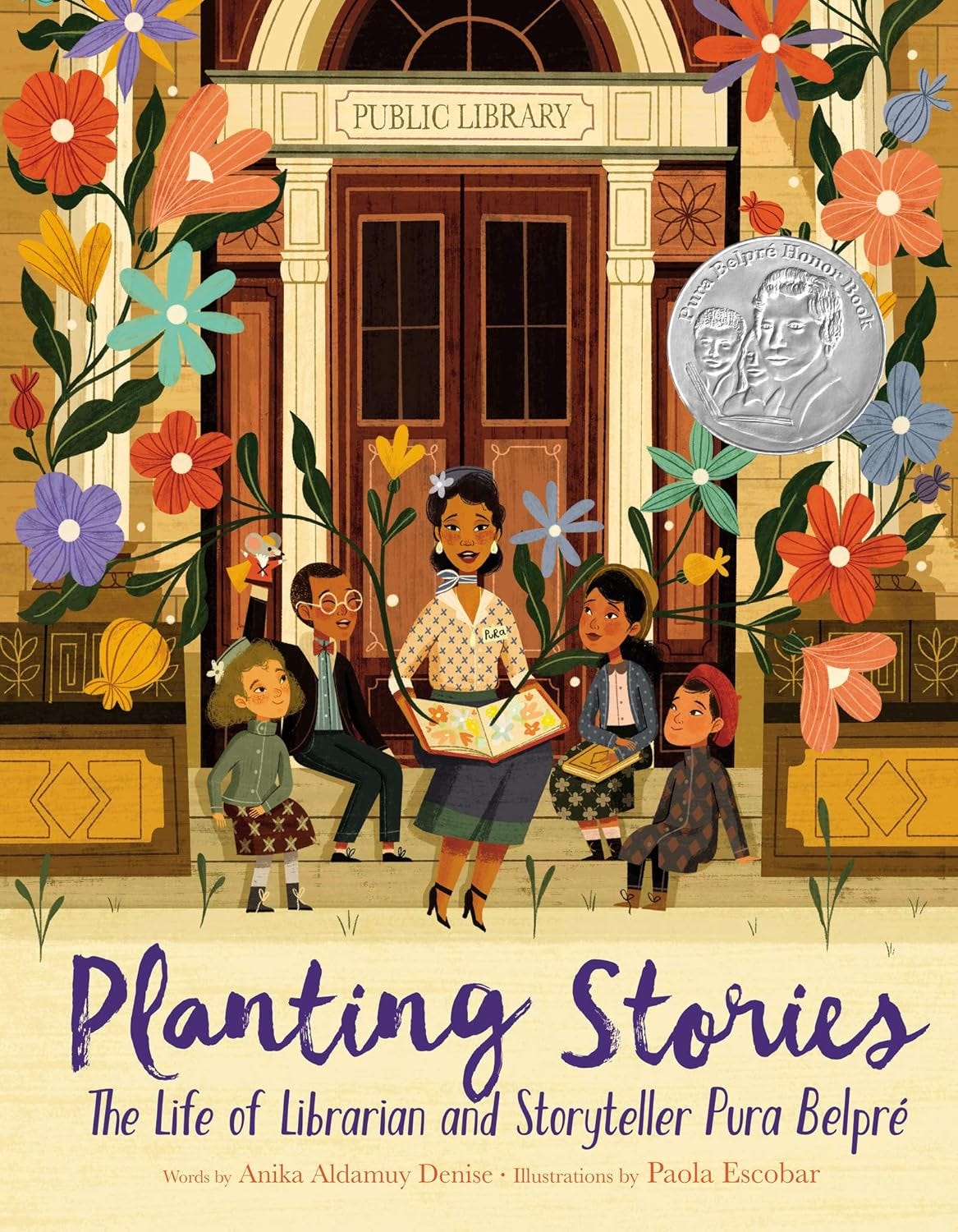
Planting Stories: The Life of Librarian and Storyteller Pura Belpré
by Anika Aldamuy Denise; illustrated by Paola Escobar
(Librarians, Puerto Rican Americans, New York Public Library, Storytelling, Bilingual literature, 1920s-1980s)

Little Libraries, Big Heroes: The True Story About a Struggling Reader Who Built Community Through Books for Kids
by Miranda Paul; illustrated by John Parra
(Todd Bol, Little Free Libraries, Community life, Literacy, 1960s-2010s)
Making Something of It
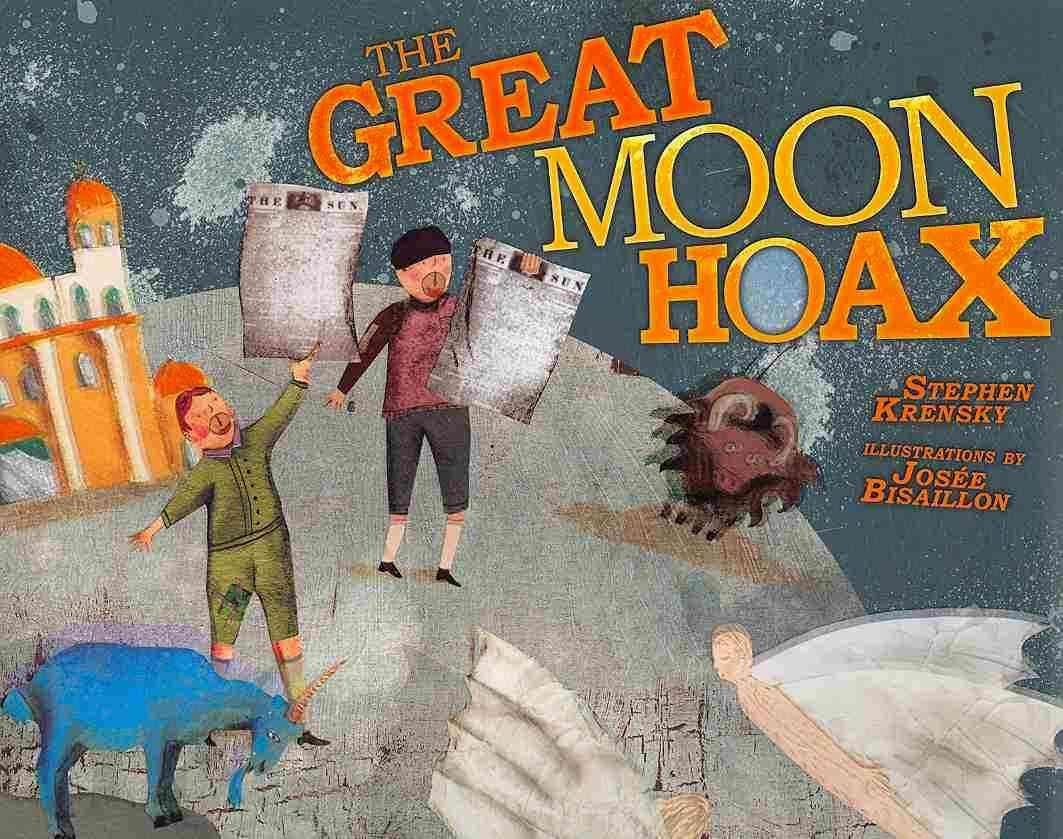
The Great Moon Hoax
by Stephen Krensky; illustrated by Josee Bisaillon
Featured Title:
In the 1830s, a wildly convincing moon hoax ran through the newspapers, and the public absolutely ate it up. Young readers will be amazed at how absurd the claims sound and probably quite certain they would never have fallen for it. That’s exactly what makes this such a fascinating first conversation starter about propaganda, discernment, and the humility to admit we’re all more easily influenced than we think.
(Newspaper boys, Newspapers, Moon hoax, Based on a true story, 1830s)

Gold Rush: The untold story of the First Nations woman who started the Klondike Gold Rush
by Flora Delargy
(Klondike Gold Rush, First Nations woman, Alaska, Yukon, Gold miners, Gold mining towns, Business women, 1890s)

The Secret Garden of George Washington Carver
by Gene Barretta; illustrated by Frank Morrison
(Address to U.S. Congress, Botanists, Scientists, Inventors, Nature study, Creativity, Peanuts, Flowers, Gardening, Slavery, Emancipation, Segregation, Prejudice and racism, Politics and Government, Tuskegee Institute, Booker T. Washington, Jesup Agricultural Wagon, Missouri, Iowa, Alabama, 1860s-1940s)

Try It!: How Frieda Caplan Changed the Way We Eat
by Mara Rockliff; illustrated by Giselle Potter
(Groceries, Fruits, Vegetables, Jewish Americans, Creativity, 1950s-2020s)

We Celebrate the Light
by Jane Yolen and Heidi E. Y. Stemple; illustrated by Jieting Chen
(Bodhi Day, Winter Solstice, Kwanzaa, Christmas, Chanukah, Lunar New Year, Diwali, Family life, Community life, Holidays, Winter, 2020s)
Wonders of America
America is shaped not only by its people, but by its lands, waters, monuments, and wild places. These books explore the landscapes, landmarks, and natural wonders that help tell the story of the nation.
National Parks

You Are Home: An Ode to the National Parks
by Evan Turk
(National Parks, Love of home, Native Americans)

The Lost Forest
by Phyllis Root; illustrated by Betsy Bowen
(Minnesota, Land surveying, Pine timber, Lost Forty National Forest, Old growth forests, Logging, U.S. Forest Service, How to survey, Nature study, 1780s-1950s)

Parks for the People: How Frederick Law Olmsted Designed America
by Elizabeth Partridge; illustrated by Becca Stadtlander
(National Parks, City parks, Landscape architects, Central Park, Public parks, Yosemite National Park, United States Capitol grounds, US Sanitary Commission, Civil War, Politics and Government, 1820s-1900s)

The Camping Trip that Changed America: Theodore Roosevelt, John Muir, and Our National Parks
by Barb Rosenstock; illustrated by Mordicai Gerstein
(American Presidents, Naturalists, Nature, Yosemite, Establishment of the National Parks, 1900s)
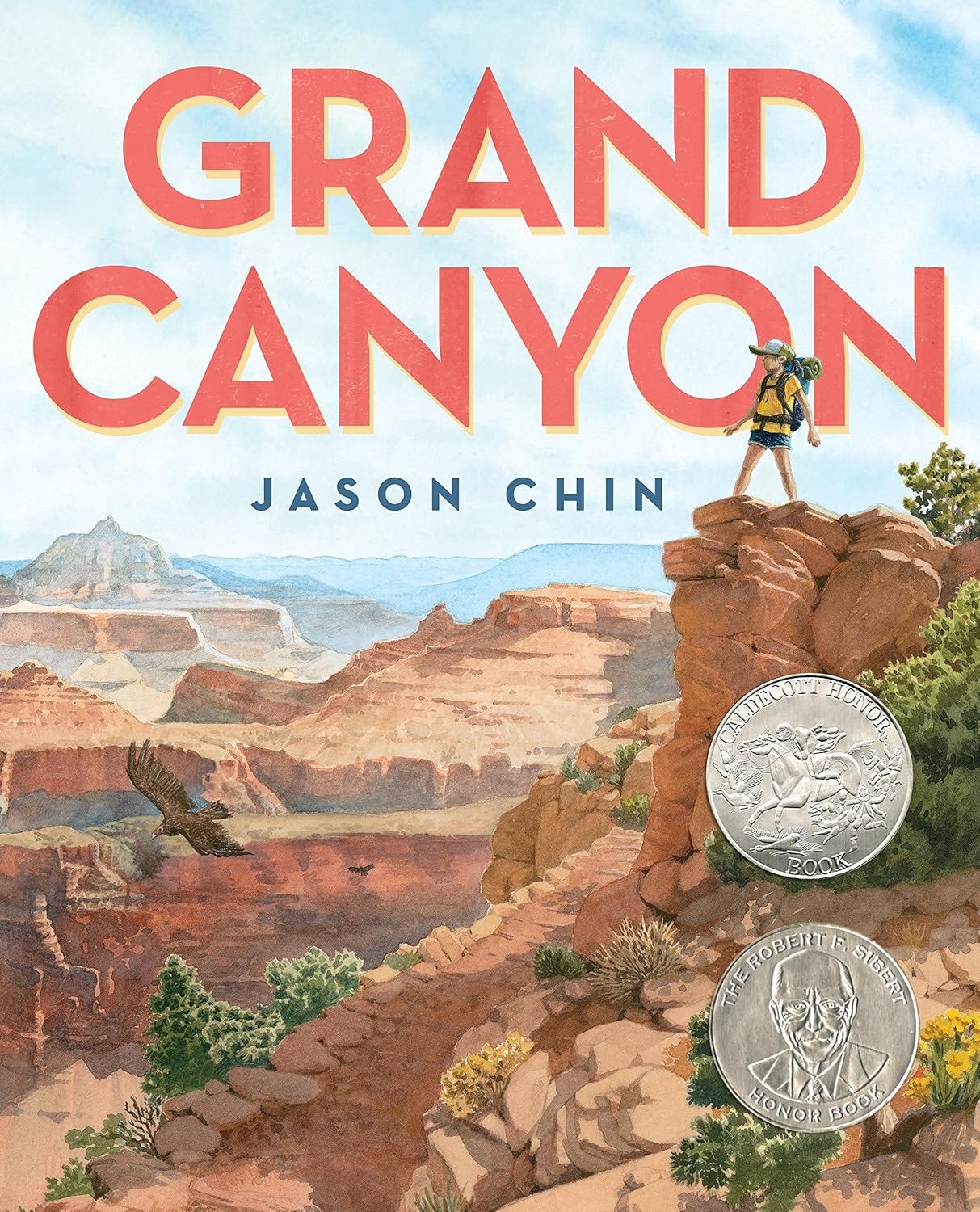
Grand Canyon
by Jason Chin
(Grand Canyon, Natural history, Geography, Geology, Nature, Arizona)

Parrots Over Puerto Rico
By Susan L. Roth and Cindy Trumbore
(Conservation, Puerto Rican history, Taínos people, Christopher Columbus, Slave trade, Spanish rule, United States Territory, Commonwealths, Puerto Rican Parrot Recovery Program, Aviaries, Hurricanes, Geography, Near-extinction, 5000B.C.-2000s)

Marjory’s River of Grass: Marjory Stoneman Douglas, Fierce Protector of the Everglades
by Josie James
(Ecosystems, National Park Service, Rewilding, Wetlands, Authors, River of Grass, Conservationists, Naturalists, Nature Conservation, Everglades National Park, Big Cypress National Preserve, Zeppelins, Rivers, American Presidents, Harry S. Truman, Gerald Ford, Army Corps of Engineers, Primary source material, Florida, 1910s-1990s)

Miss Lady Bird’s Wildflowers: How a First Lady Changed America
by Kathi Appelt; illustrated by Joy Fisher Hein
(First Ladies, Conservationists, National Wildflower Research Center, Highway Beautification Act, Washington D. C., Texas, 1910s-1980s)

Fourteen Wolves: A Rewilding Story
by Catherine Barr
(Yellowstone National Park, Conservation, Regional stories, Ecosystems, 1930s-2000s)
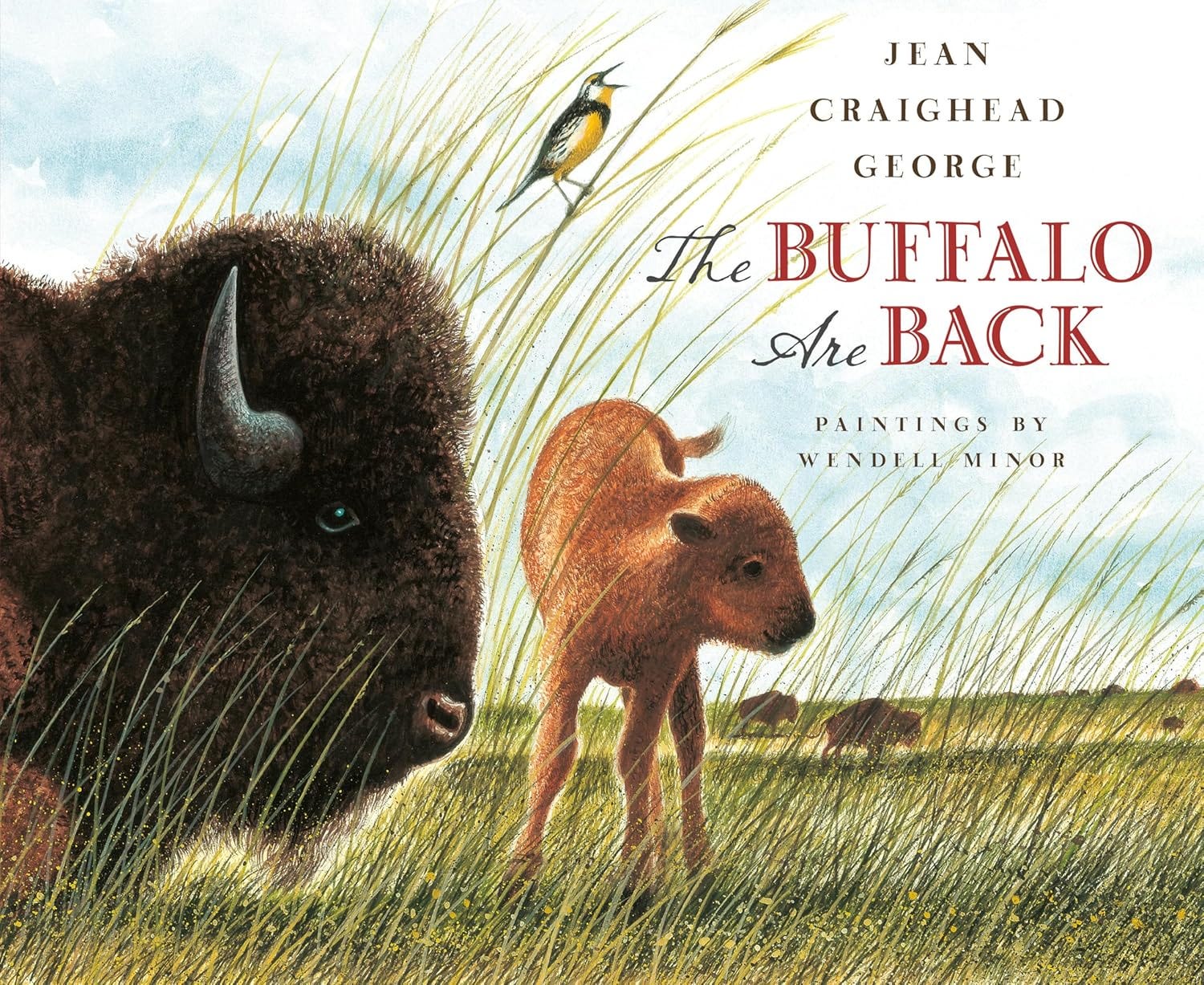
The Buffalo Are Back
by Jean Craighead George; illustrated by Wendell Minor
(Nature, National Parks, Regional stories, Plains Indians, Near-extinction, Dust Bowl, Westward expansion, Railroads, Conservation, American Presidents, Theodore Roosevelt, Ecological restoration, Primary source documents, Systematic destruction of the buffalo as a weapon against Plains tribes, National Bison Range in Montana, Tallgrass Prairie National Preserve-spanning 14 states, 1800s-2010s)

Saving American Beach: The Biography of African American Environmentalist MaVynee Betsch
by Heidi Tyline King; illustrated by Ekua Holmes
(National Parks, American Beach, Florida, Social reformers, Jim Crow Era, Legacies, 1930s-2000s)
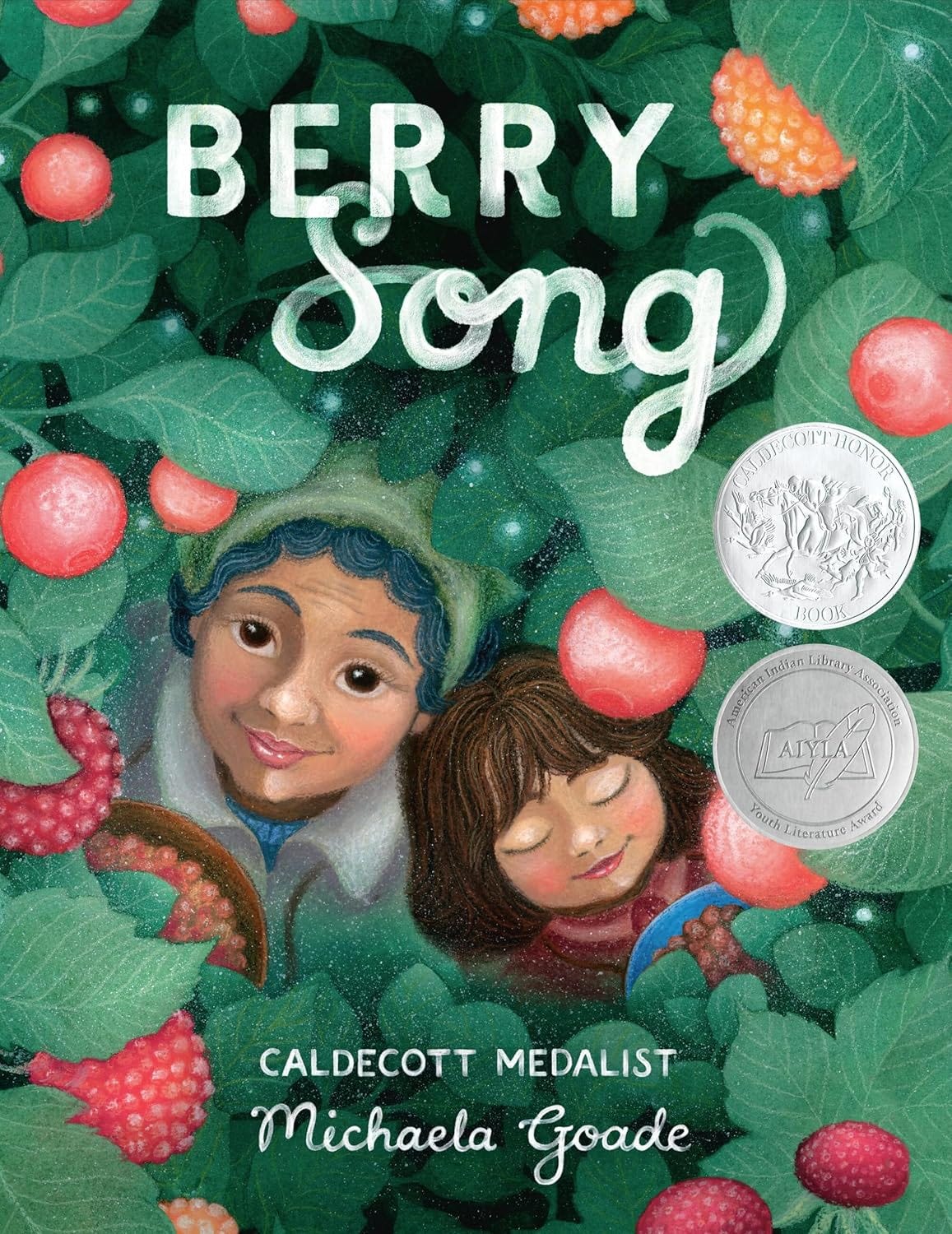
Berry Song
by Michaela Goade
(Tilinget Indians, Tongass National Forest, National Forest, Gratitude, Foraging, Alaska, 2020s)
National Monuments/Historic Landmarks

Monument Maker: Daniel Chester French and the Lincoln Memorial
by Linda Booth Sweeney; illustrated by Shawn Fields
(Artists, National Monuments, Sculptors, Lincoln Memorial, Architecture, Politics and Government, 1850s-1930s)

Secret Engineer: How Emily Roebling Built the Brooklyn Bridge
by Rachel Dougherty
(Family business, Engineering, National Historic Landmark, National Historic Civil Engineering Landmark, Women in STEM, 1880s)

The Greatest Song of All: How Isaac Stern United the World to Save Carnegie Hall
by Megan Hoyt; illustrated by Katie Hickey
(National Historic Landmarks, Lincoln Center, Gentrification, Historic conservation, Architecture, Cultural preservation, Jewish Americans, Community activism, Laws and legislation, Andrew Carnegie, New York City, Cultural icons, 1890s-1960s)

When Jackie Saved Grand Central: The True Story of Jacqueline Kennedy’s Fight for an American Icon
by Natasha Wing; illustrated by Alexandra Boiger
(Jackie Kennedy, National Historic Landmarks, First Ladies, Cultural preservation, Historic conservation, Restoration, Architecture, Beaux-Arts building, Supreme Court cases, Laws and legislation, Cultural icons, New York City, 1970s)

Maya Lin: Artist-Architect of Light and Lines
by Jeanne Walker Harvey
(Vietnam War Memorial, Washington D.C., Architects, National monuments, Women in STEM, 1980s)

You Can’t Take a Balloon into the Metropolitan Museum
by Jacqueline Preiss Weitzman; illustrated by Robin Glasser
(Wordless picture book, Misadventures, Art, Metropolitan Museum of Art, New York City, 1990s)

Ballpark: The Story of America’s Baseball Fields (Lynn Curlee Wonders of the World) by Lynn Curlee
(Baseball Stadiums, Baseball fans, Baseball history, America’s pastime)
Conservation

The Poem Forest: Poet W. S. Merwin and the Palm Tree Forest He Grew from Scratch
by Carrie Fountain; illustrated by Chris Turnham
(Poets, Poet Laureate of the United States, Pulitzer Prize winners, Merwin Conservancy, Supportive marriages, Conservationists, Rewilding, Preservationists, Palm trees, Maui, Hawaii, 1920s-2010s)

Creekfinding: A True Story
by Jacqueline Briggs Martin; illustrated by Claudia McGehee
(Nature, Daylighting, Ecosystems, Driftless Area of Northern Iowa, Regional stories, 2010s)
American Landscapes

This Land by Ashley Fairbanks; illustrated by Bridget George
Focus Title:
This beautiful book invites young readers to be curious about who lived before them in the places they now call home and encourages them to seek out the Native people still living there and learn from them about these lands. Covering familiar places like Disney World, the Grand Canyon, and New York City, it opens the door to conversations about Indigenous lands in a gentle and thoughtful way—without the shame, blame, and judgment that so often accompany the topic in adult resources.
(Native American history, United States geography)

Anno’s U.S.A.
by Mitsumasa Anno
(Wordless Picture Book, American Geography)

Paddle-to-the-Sea: A Classic Adventure About a Carved Canoe’s Journey Through the Great Lakes
by Holling C. Holling
(Great Lakes, Saint Lawrence River, Journeys, Canoes, Native Americans, Regional stories, 1940s)

Meadowlands: A Wetlands Survival Story
by Thomas F. Yezerski
(New Jersey, Hackensack Meadowlands, Rewilding, Conservation, U.S. history, Regional stories, 1600s-2000s)

Heartland
by Diane Siebert; illustrated by Wendell Minor
(American heartlands, Midwest, Farmlands, America’s breadbasket)

The Year At Maple Hill Farm
by Alice Provensen and Martin Provensen
(Farm life, Calendar, Changing of the seasons, 1970s)

North Woods Girl
by Aimee Bissonette; illustrated by Claudia McGehee
(Forests and Forestry, Nature study, Changing of the seasons, Minnesota, Nature, Grandmothers and granddaughters, Regional stories, 2010s)

Growing an Artist: The Story of a Landscaper and His Son
by John Parra
(Southern California, Mexican Americans, Immigrant stories, Artists, Migrant workers, Family businesses, Landscape gardening, Spanish language, Fathers and sons, Autobiographical, 1970s-1980s)

Climbing the Volcano: A Journey in Haiku
by Curtis Manley; illustrated by Jennifer K. Mann
(Oregon, Haiku poetry, Cascade Mountains, South Sister volcano, Dormant volcano, Nature study, Mountain climbing, Family life, 2020s)

I Am the Storm
by Jane Yolen and Heidi E. Y. Stemple; illustrated by Kristen Howdeshell and Kevin Howdeshell
(Extreme weather, Tornadoes, Blizzards, Wildfires, Hurricanes, Family life, Resilience, 2020s)
America’s Stories
America’s stories are more than events and dates. They are the poems, paintings, books, and voices that have shaped how we see ourselves and one another. This section gathers the artists, writers, and storytellers who helped form the nation’s imagination and preserve its many voices.

The Adventures of Mark Twain by Huckleberry Finn
by Robert Burleigh; illustrated by Barry Blitt
(Mark Twain, Abolitionists, Authors, Riverboats, Mississippi River, 1830s-1910s)

Mr. Emerson’s Cook
by Judith Byron Schachner; illustrated by Judy Schachner
(Ralph Waldo Emerson, Poets, Excentrics, Imagination, Henry David Thoreau , Poems, Biographical, 1840s)

The Road Not Taken
by Robert Frost; illustrated by Vivian Mineker
(Indecision, Serendipity, Poems, Robert Frost, Autumn)

Grassroots
by Carl Sandburg; illustrated by Wendell Minor
(Poems, Midwest, Carl Sandburg, 1870s-1960s)

American Gothic: The Life of Grant Wood
by Susan Wood; illustrated by Ross MacDonald
(Artists, Gothic Art, American Midwest, Iowa, 1890s-1940s)

Hi, I’m Norman: The Story of American Illustrator Norman Rockwell
by Robert Burleigh; illustrated by Wendell Minor
(Painters, Illustrators, Americana painter, Saturday Evening Post, Four Freedoms, 1890s-1970s)

Enormous Smallness: a story of e.e. cummings
by Matthew Burgess; illustrated by Kris Di Giacomo
(Poets, Poems, Massachusetts, Authors, World War I, Biographical, 1890s-1960s)
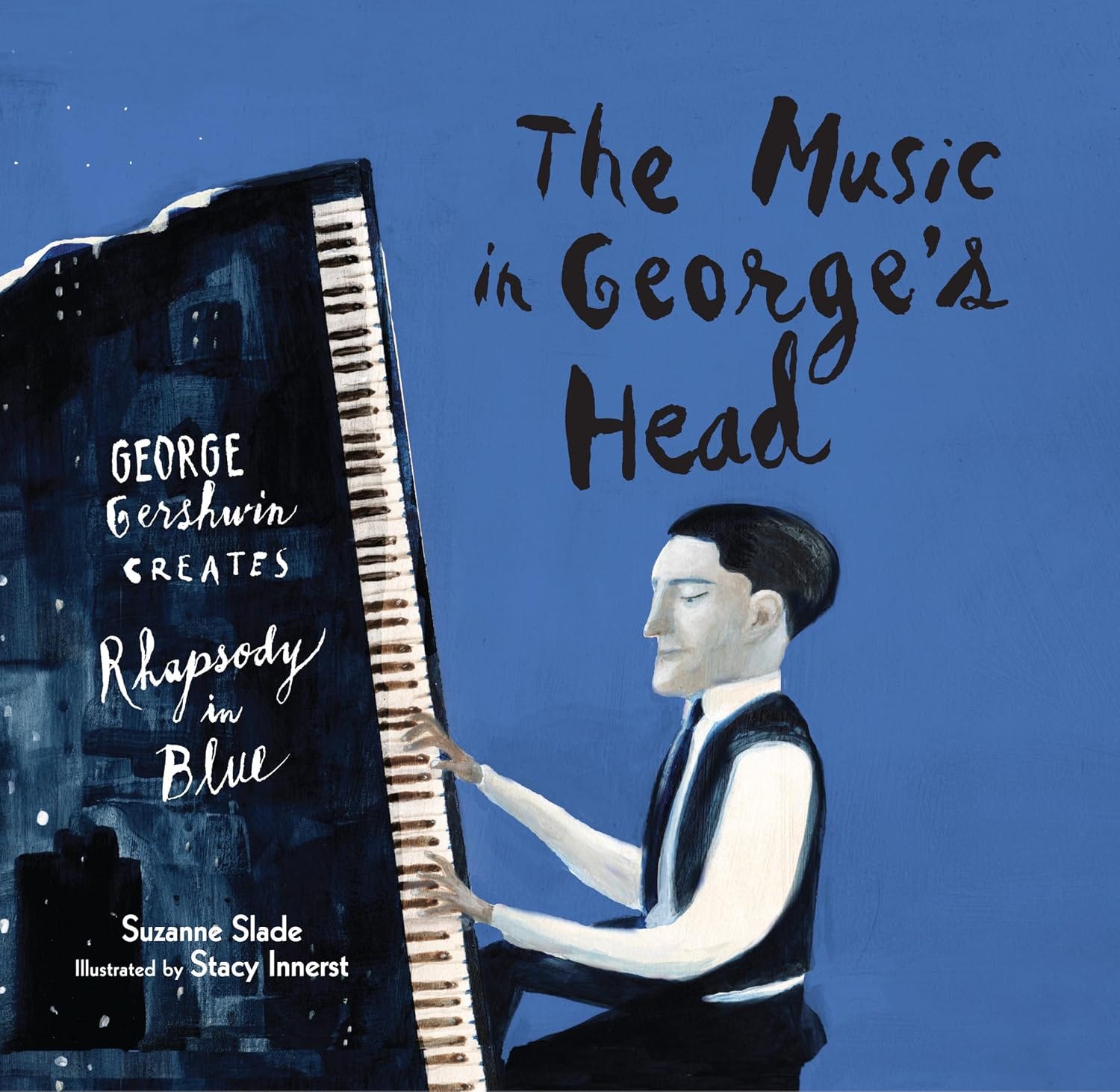
The Music in George’s Head: George Gershwin Creates Rhapsody in Blue
by Suzanne Slade; illustrated by Stacy Innerst
(Musicians, Jazz, Blues, Ragtime, Pianists, Composers, New York, 1890s-1930s)

Mister Rogers’ Gift of Music
by Donna Cangelosi; illustrated by Amanda Calatzis
(Fred Rogers, Public television, Community, Love thy neighbor, Musicians, Storytellers, Everybody’s friend, 1920s-2010s)

The Apprenticeship of Andrew Wyeth: Painting a Family Legacy
by Gene Barretta
(Son of N.C. Wyeth, Artists, Painters, Finding your voice, Paintings, Supportive marriages, 1910s-2000s)

A Poem for Peter: The Story of Ezra Jack Keats and the Creation of The Snowy Day
by Andrea Davis Pinkney; illustrated by Steve Johnson and Lou Fancher
(Authors, Illustrators, Artists, Polish Americans, Positive race relations, 1910s-1980s)

That Is My Dream!: A picture book of Langston Hughes’s “Dream Variation”
by Langston Hughes; illustrated by Daniel Miyares
(Poetry, African Americans, Freedom, Hope, 1920s)

Mr. McCloskey’s Marvelous Mallards: The Making of Make Way for Ducklings
by Emma Bland Smith; illustrated by Becca Stadtlander
(Robert McCloskey, Authors, Illustrators, Research, 1940s)

Pocket Full of Colors: The Magical World of Mary Blair, Disney Artist Extraordinaire
by Amy Guglielmo and Jacqueline Tourville
(Colors, It’s a Small World ride, Walt Disney Studios, Love of colors, Artists, California, 1910s-1970s)

You Gotta Meet Mr. Pierce!: The Storied Life of Folk Artist Elijah Pierce
by Chiquita Mullins Lee; illustrated by Carmella Van Vleet
(Black folk art, Artists, Elijah Pierce, Wood carving, Ohio, 1970s-2010s)
The America We’re Becoming
The story of America did not end in the past. These books explore the questions, struggles, and hopes shaping the nation today, inviting readers to consider what kind of country we are becoming.

Being Home
by Traci Sorell; illustrated by Michaela Goade
(Cherokee Nation, Return to ancestral lands, Native Americans., 2020s)
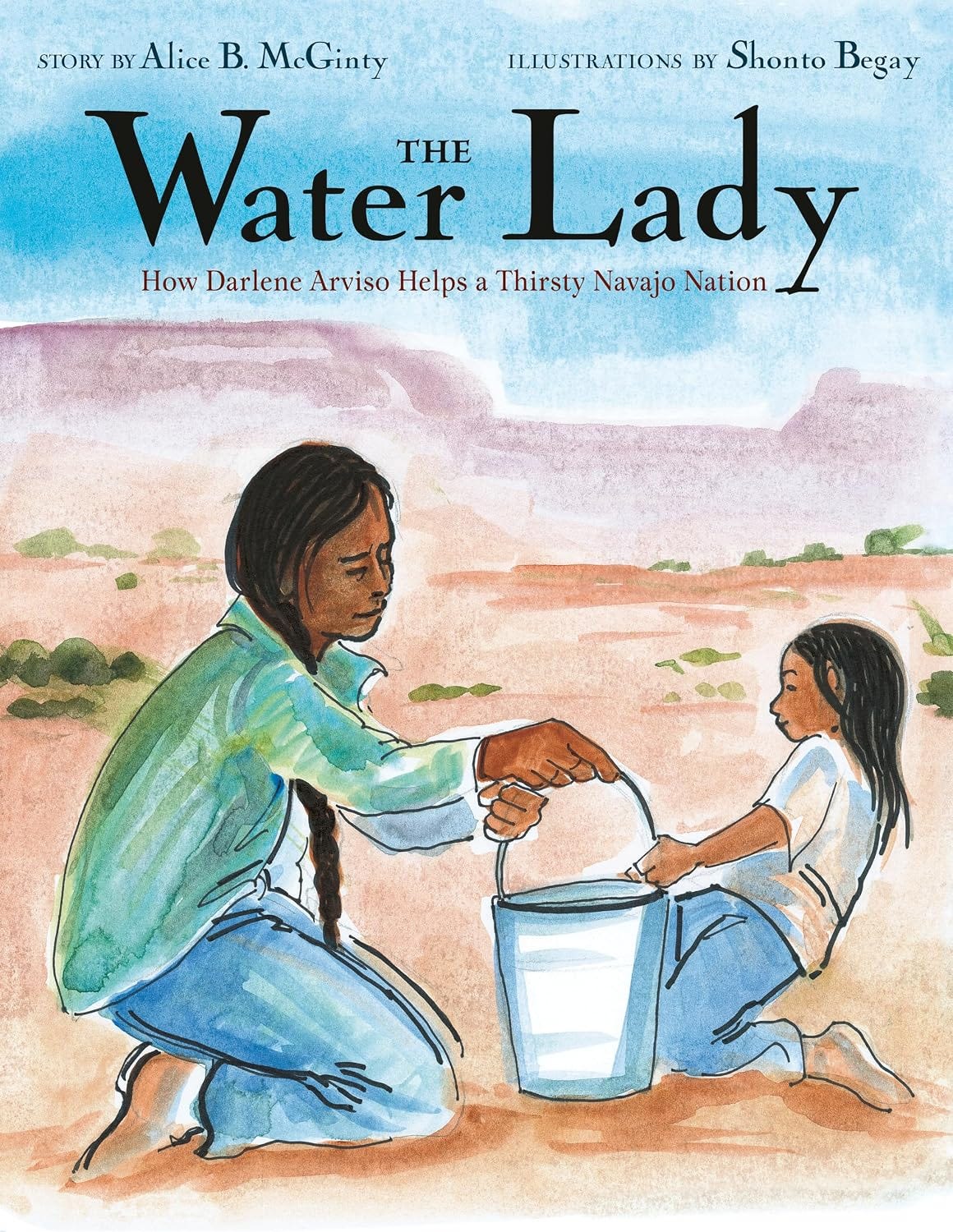
The Water Lady: How Darlene Arviso Helps a Thirsty Navajo Nation
by Alice B. McGinty; illustrated by Shonto Begay
(Navajo Nation, Water supply, New Mexico, 2020s)

Hear My Voice/Escucha mi voz: The Testimonies of Children Detained at the Southern Border of the United States (Spanish and English Edition)
by Warren Binford (Compiler); illustrated by Michael Garcia Bochenek
(US-Mexico border, Children’s Rights, Detention camps, Own Voices, Primary souce documents, Immigration stories, Border Patrol, Supreme Court cases, Reno v. Flores, Flores Settlement Agreement, Human Rights, 1985-2010s)

Between Us and Abuela: A Family Story from the Border
by Mitali Perkins; illustrated by Sara Palacios
(Multicultural families, Las Posadas sin Fronteras, Christmas, Border Field State Park, The Inn Without Borders, US-Mexico Border, Border wall, Mexican Americans, 2010s)

Facing Fear: An Immigration Story
by Karen Lynn Williams; illustrated by Sara Palacios
(Immigration stories, Border checkpoints, Everyday struggles of undocumented immigrants and their families, Bravery, Family solidarity, Community support, 2020s)

That Flag
by Tameka Fryer Brown; illustrated by Nikkolas Smith
Featured Title:
This book tackles the complicated debate surrounding the Confederate flag—whether it represents racism, heritage, or Southern pride—and invites readers to wrestle with the weight of history and memory. Regardless of where a family falls on the issue, it serves as a powerful conversation starter and an opportunity to discuss how symbols can carry very different meanings for different people.
(Confederate Flag, Racism, Heritage, Friendship, African American history, 2020s)

Still a Family: A Story about Homelessness
by Brenda Reeves Sturgis; illustrated by Jo-Shin Lee
(Unhoused families, Family life, Overcoming challenges, 2020s)
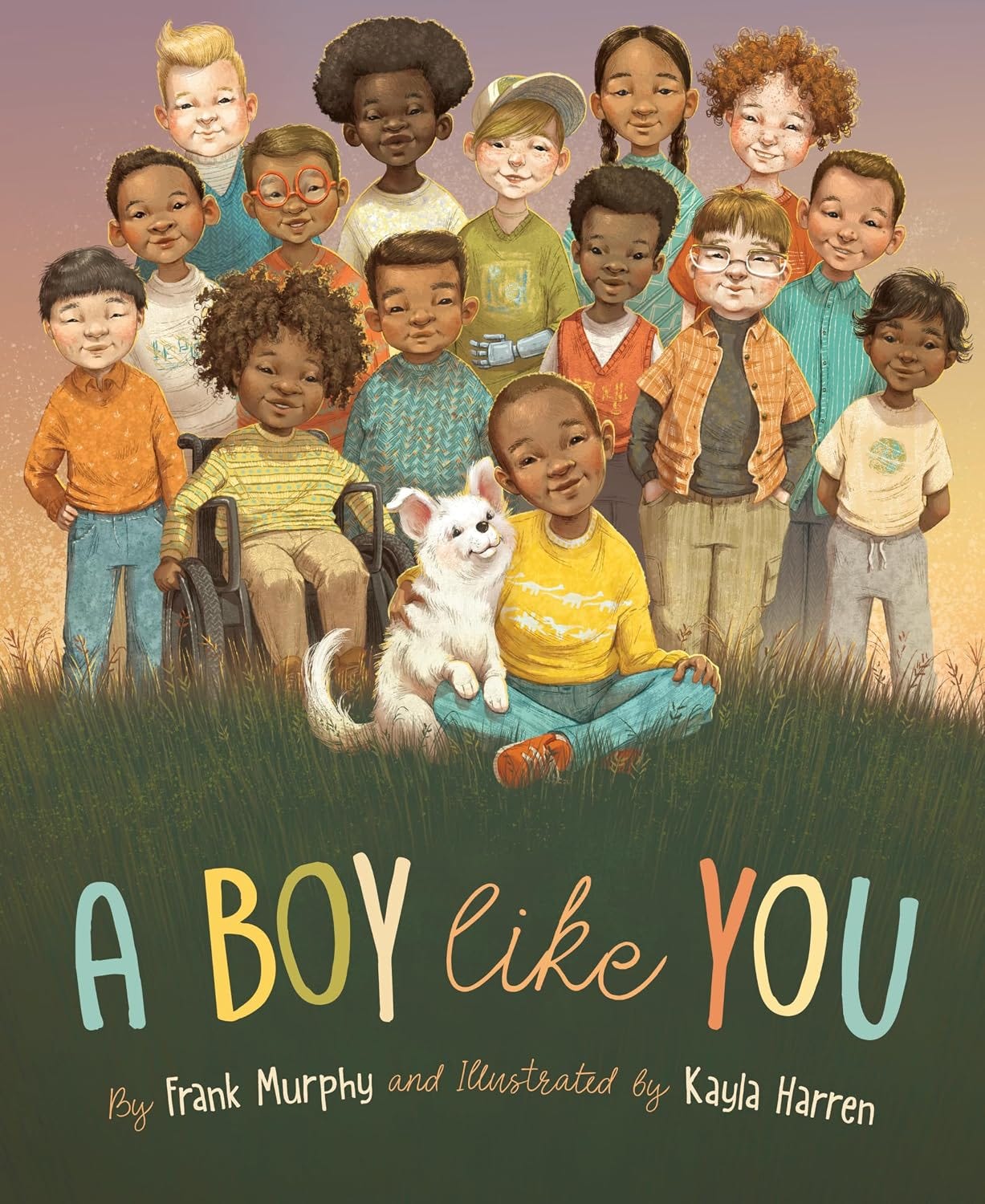
A Boy Like You
by Frank Murphy; illustrated by Kayla Harren
Featured Title: This book is so boy-positive and belongs on every young man’s shelf. Written by a boy dad and elementary coach of both basketball and baseball, it’s a celebration of positive boyhood, inner strength, and the good work of growing up into a strong and honorable man. I am here for it!!
(Positive masculinity, Boyhood, Inner strength, Outer strength, Individuality, Conduct of life, 2020s)

You Are A Story
by Bob Raczka; illustrated by Kristen & Kevin Howdeshell
(Celebrating life, What makes us special, How we’re all connected, Poems, 2020s)
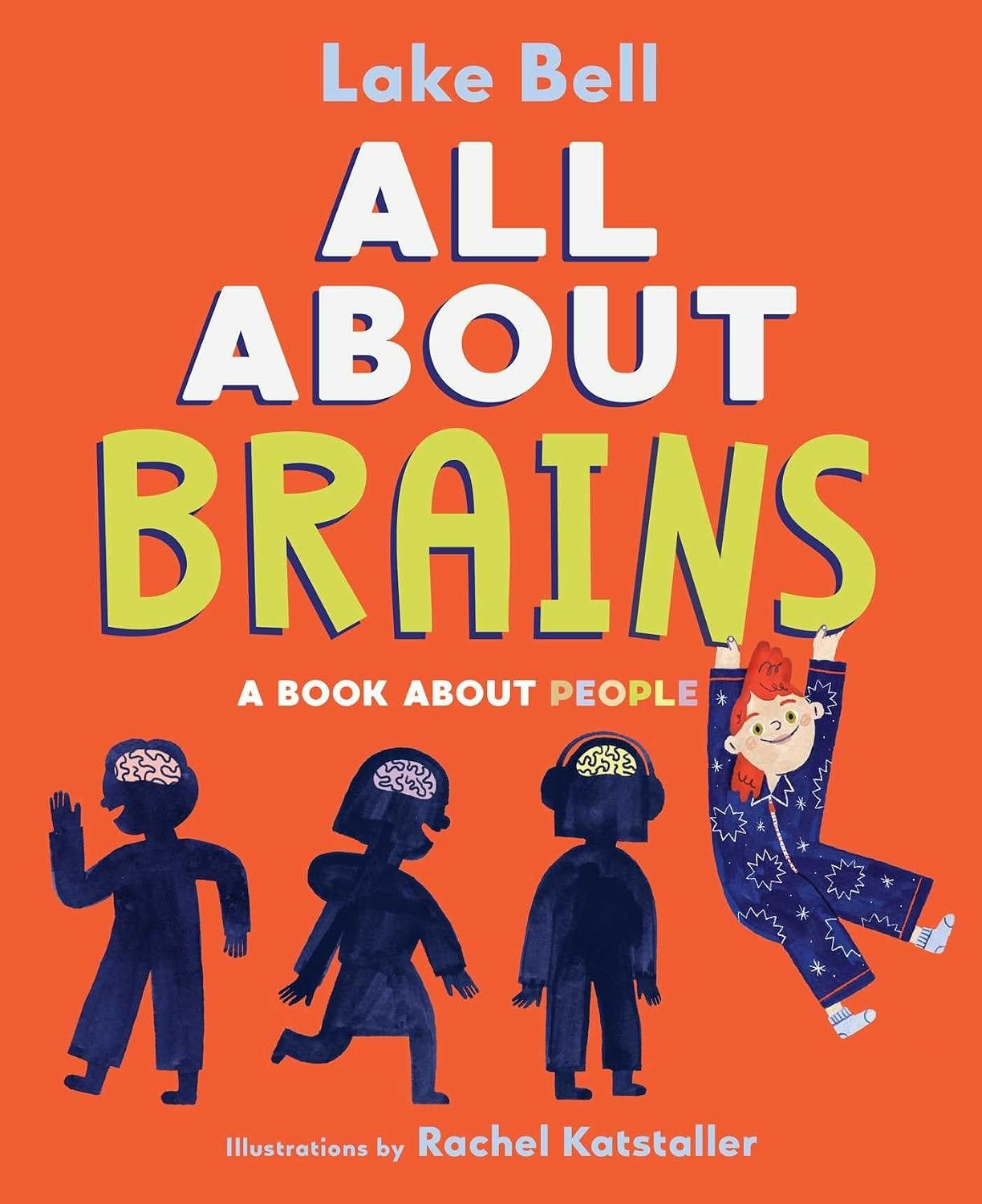
All About Brains: A Book About People
by Lake Bell; illustrated by Rachel Katstaller
Featured Title:
With a houseful of neurodiverse people and an even larger neurodiverse friend group, I really appreciated this story of children sharing their differences with one another, learning about historical figures who shared those same differences, and celebrating each other so beautifully. Children give me so much hope for the future of our country.
(Neurodiversity, Epilepsy, Autism, ADHD, OCD, Dyslexia, Anxiety, Allergies, 2020s)

The Keeper of Wild Words
by Brooke Smith; illustrated by Madeline Kloepper
(Nature, Lost language, Disappearing dictionary entries, Vocabulary, 2020s)
Be sure to check out the Living Book Press and Renewed Books 4th of July Sale!

 | A guest post by
|
What a fantastic list! Thank you so much!